

From Transparency to the Perils of Oversharing
In this article, learn that while transparency is often hailed as a pillar of Agile practices, navigating its complexities with care is essential.
 CORE
·
CORE
·
Join the DZone community and get the full member experience.
Join For FreeTL; DR: Why Too Much Transparency Can Have a Detrimental Effect
While transparency is often touted as essential in Agile, too much can have negative consequences. Oversharing can lead to micromanagement, misinterpretation, and loss of trust within the team. Examples include excessive scrutiny during Daily Scrums, misreading progress metrics, and creating a blame culture that erodes psychological safety.
Strategic opacity may sometimes be necessary to protect the team’s autonomy and maintain a healthy dynamic. Be transparent, but not at the expense of the team’s independence and well-being.
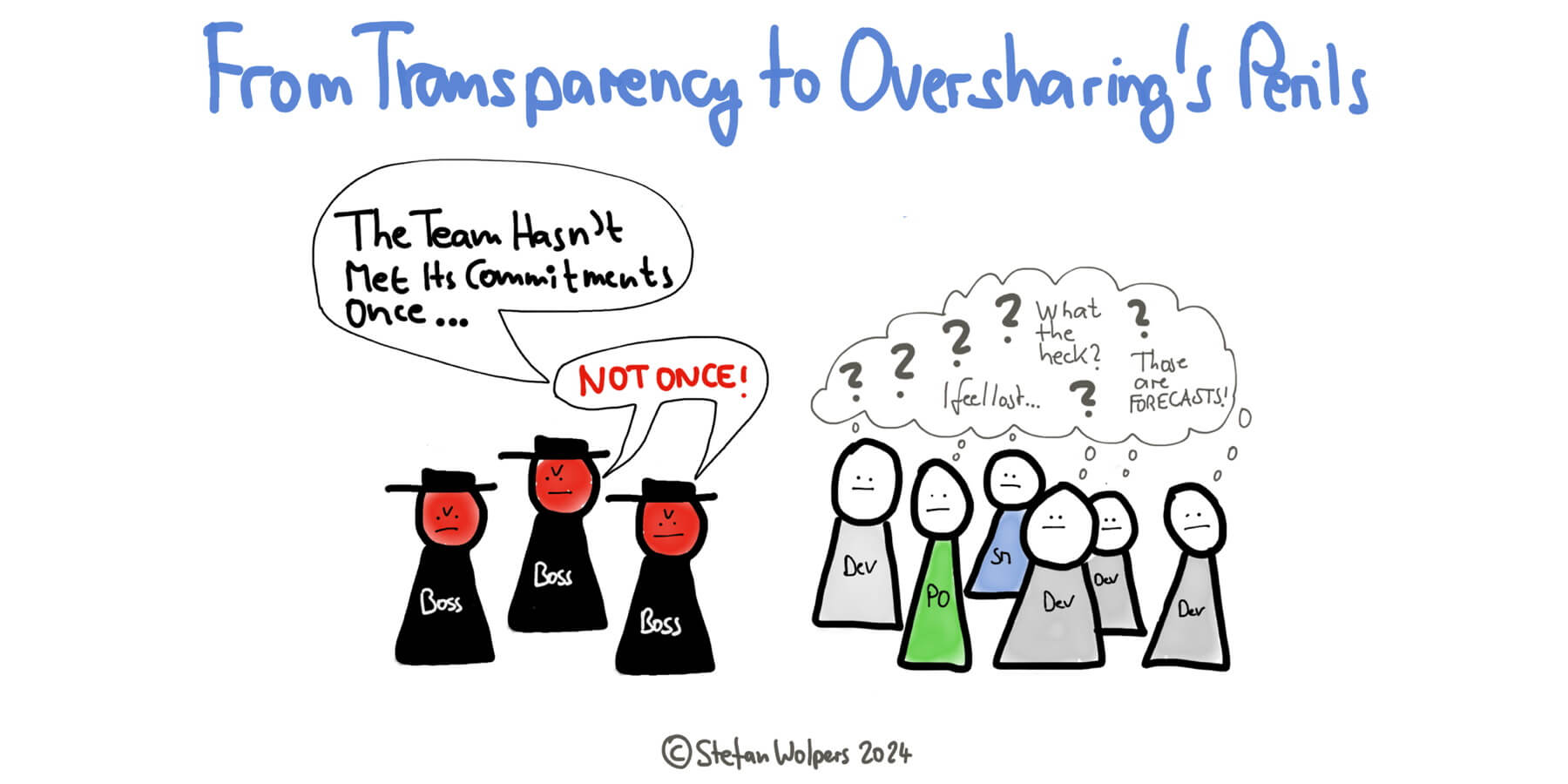
The Disadvantages of Oversharing
In the spirit of Kim Scott’s “Radical Candor,” which emphasizes the balance between being direct and empathetic to build strong relationships and drive success, it’s crucial to recognize the potential pitfalls of excessive transparency in Agile environments.
Therefore, striking the right balance between transparency and strategic opacity — deliberately limiting what the team shares with whom — ensures that teams remain empowered, focused, and motivated. The balance helps to create an environment where they can thrive without fearing being overly scrutinized.
Conversely, while openness fosters collaboration and trust, oversharing can inadvertently lead to micromanagement, misinterpretation, and a loss of trust, undermining the foundations of a healthy team dynamic. Some examples are:
1. Micromanagement
- Detailed daily updates: When teams are required to provide overly detailed updates during the Daily Scrum, it can encourage managers, stakeholders, or even Product Owners to start nitpicking every task, questioning minor delays, or demanding unnecessary justifications. This erodes the team’s autonomy and forces them to spend more time justifying their work than actually doing it.
- Overly transparent task boards: A task board that shows every single sub-task and minor detail can lead to managers or stakeholders stepping in to “help” or “optimize” the process, dictating how tasks should be completed instead of letting the team self-organize.
- Constant check-ins: Managers who use transparency as an excuse for continuous check-ins or status requests are essentially micromanaging the team, disrupting its flow, and creating an environment of anxiety rather than trust.
2. Misinterpretation
- Misreading progress: Stakeholders who see a highly detailed burn-down chart or progress report might misinterpret normal fluctuations as signs of trouble, leading to unnecessary escalations or interventions. They may not understand that not every dip or spike in progress is significant, as they typically lack context.
- Overemphasis on metrics: When transparency extends to every metric (velocity, cycle time, etc.), people outside the team might misinterpret these numbers without context, assuming that higher velocity always means better performance — and thus value creation — or that a decrease indicates failure, missing the qualitative aspects of the work.
- Context-less feedback: Transparent sharing of team discussions or decisions without the context behind them can lead to outsiders questioning the team’s choices, leading to confusion and misplaced concerns.
3. Loss of Trust
- Erosion of psychological safety: If outsiders scrutinize every aspect of the team’s work, team members may start withholding honest opinions or concerns, fearing they’ll be judged or overruled. This concern can stifle creativity and innovation, as the team no longer feels safe to experiment or fail.
- Blame culture: Transparency without trust can create a blame culture where team members feel exposed to criticism for every minor mistake. This effect can result in individuals trying to cover their tracks or avoid taking risks, undermining the very principles of Agile.
- Decision paralysis: When too much transparency leads to stakeholders or managers second-guessing every team decision, it can create decision paralysis. The team may feel that every move is under a microscope, leading them to slow down or become overly cautious, eroding the trust that they can make decisions independently.
Balancing Transparency, Oversharing, and Team Autonomy
Here are a few additional considerations that could enhance your understanding and application of the balance between transparency and team autonomy:
- Context-specific transparency: Understand that the level of transparency required can vary based on the team’s maturity, the complexity of the project, and the organizational culture. Newer teams or those working on highly complex tasks may need more structured transparency, while mature teams benefit from greater autonomy.
- Feedback loops: Establish feedback loops within the team to regularly assess the impact of your transparency practices. This practice allows you to adjust the level of openness based on real-time input from team members, ensuring that transparency supports rather than hinders productivity. It is an excellent and regular topic for Retrospectives.
- Training stakeholders: It’s not just the team that needs to manage transparency effectively; stakeholders also need guidance on interpreting the information they receive. Educating stakeholders on Agile practices and the purpose of various metrics can prevent misinterpretation and unnecessary interference. (In other words, run workshops for stakeholders on interpreting data and information from your team.)
- Cultural sensitivity: Be aware of how different cultural backgrounds affect how team members and stakeholders perceive transparency. What might be seen as open and honest in one culture could be perceived as intrusive or mistrustful in another. Adjust your transparency practices accordingly.
- The role of leadership: Leaders play a crucial role in modeling the right balance of transparency. By demonstrating how to share information judiciously and respecting team boundaries, leaders set the tone for the rest of the organization. (Lobby your leaders to help your team with that challenge.)
- Technology and tools: Consider how tools and technologies can enhance or impede the right level of transparency. For example, the team should configure task boards, dashboards, and other tools to provide visibility without overwhelming or exposing the team to unnecessary scrutiny.
Understanding and applying these nuances can help you optimize transparency in your specific environment, ensuring it serves its intended purpose while minimizing unintended negative consequences.
Reflections on Transparency
Let’s get you started with a few additional questions:
- What specific signals or behaviors should I watch for that indicate transparency is crossing the line into micromanagement, and how can I address this before it impacts team morale?
- How can I involve stakeholders in the transparency process without exposing the team to the risks of misinterpretation or undue pressure?
- How can I foster a culture of psychological safety within my team while maintaining the transparency required for effective collaboration?
- What are the best practices for determining when and how to withhold information to protect the team’s focus and integrity without compromising the principles of openness in Agile?
- How can I train and coach my team to handle transparency in a way that promotes self-management and accountability without leading to burnout or decreased productivity?
Transparency: Conclusion
In conclusion, while transparency is often hailed as a pillar of Agile practices, navigating its complexities with care is essential. When unchecked, transparency can lead to micromanagement, misinterpretation, and a breakdown of trust within the team. Inspired by Kim Scott’s concept of “Radical Candor,” this discussion underscores the need for a balanced approach — one that leverages transparency to empower teams, not undermine their autonomy.
Leaders must be vigilant, recognizing when transparency crosses into over-sharing, and apply strategic opacity where needed. This balance is crucial in fostering an environment where teams are motivated and shielded from unnecessary scrutiny, enabling them to thrive and consistently deliver value.
In the end, mastering Agile practices requires finding that delicate equilibrium where transparency enhances collaboration without disrupting the team’s dynamic and independence.
Recommended Reading
Published at DZone with permission of Stefan Wolpers. See the original article here.
Opinions expressed by DZone contributors are their own.
Comments