

How Integration Platform Is Driving the 4th Industrial Revolution in 2019
See how Integration Platform is driving the 4th industrial revolution.
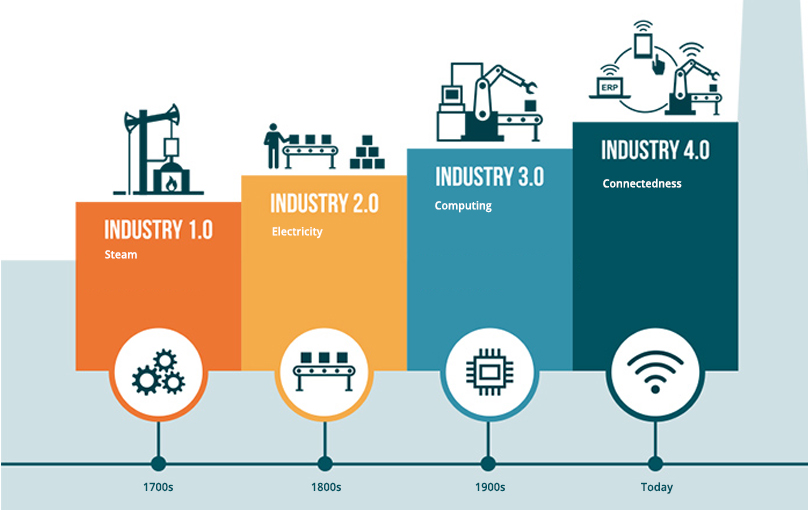
The first Industrial revolution paved way for a new energy source — steam, which pushed industries towards mechanization. It helped industries to improve productivity.
The Second Industrial revolution introduced electricity and other innovations in infrastructure. It created new industries and opportunities to thrive on mass production lines.
When we arrived at the third revolution during the late twentieth century, information technology was the major change agents towards the automation of production processes.
And here we are now, the next big thing in the history of the industrial revolution – the fourth one. It is getting much attention and hailed as important a milestone as the first one. Let’s have a look at why that is.
The Fourth Industrial Revolution (4IR) is all about connectedness and how we can embed the technology into our societies and industries. All emerging technology breakthroughs will speed up the digitization of industries. Cloud technologies and 5G will be the front runners of this. A few examples of emerging fields are Robotics, Artificial Intelligence, The Internet of Things (IoT), where such innovation is happening.
4IR or Industry 4.0 is not about inventing technology for technology’s sake. The diagram below explains how 4IR is giving way to enhance connectedness and productivity and some of the social issues.
How Integration Platform Will Be Driving the Revolution
This is the age of disruptive technology. It is creating a level playing field for businesses with innovative and agile business models. Whether it is an enterprise and small business, constant innovation and integration of the business processes has become evident.
Platform With No-Code/ Low-Code Capabilities
With no-code and low-code development platforms, businesses can develop a software application without the need to write code. These platforms use visual modeling approach with pre-built functional components available in the platform library. The developers can just select the components and add to the workflow in line with the application. This helps developers to achieve the results with greater efficiency.
This approach also makes the progress visible to all level of people in the business. Also saves businesses a lot of money as they do not need to maintain the stand-up environment and infrastructure. The platforms pretty much offer all in the package. Let’s take a look at how No-code and Low-code development capabilities work;
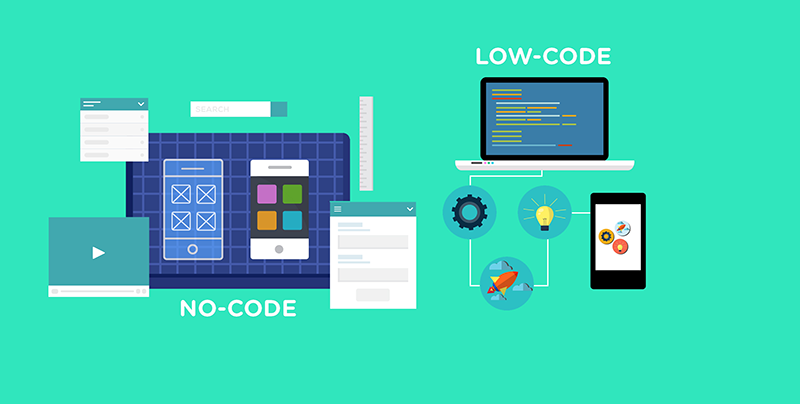
No-Code Development Capabilities
No-code development capabilities provide the business users to solve basic functional problems between the departments with simple solutions. These platforms will be more suitable to the SMBs to solve their integration challenges without hiring a professional developer as there is no need to write a code to implement such applications.
Low-Code Development Capabilities
Low-code capabilities cater to enterprises that have technology governance requirements. It uses a more synchronized approach with scalable architectures and flexibility in terms of on-prem or cloud implementation. Low-code platforms also extend the capabilities with the use of open APIs. It supports complex integrations using comprehensive components in the platform library and the ability to incorporate all the innovative next-generation technologies and third-party services available via open source.
This platform can create sophisticated applications for enterprises that encompasses various departments and domains. It offers better control to the developers for quality testing and performance tools which results in high productivity and speedy deployment.
API-Based Ecosystem
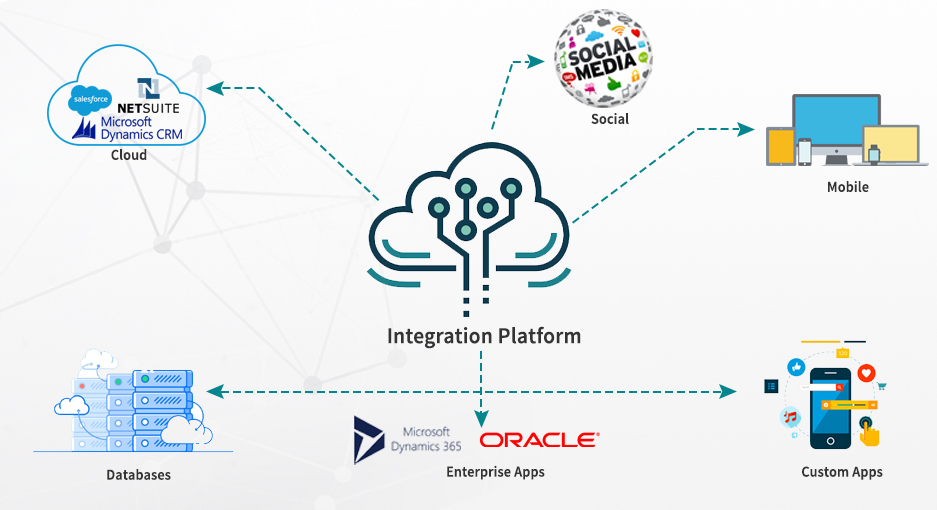
With the choices and capabilities that the integration platform offers, there is no denying the power of APIs that helps these integrations possible.
As businesses grow bigger, requirements also grow wider. Enterprises need applications to work across departments and domains. They need to incorporate next-gen technologies to increase productivity. Then there is regulatory compliance and technology governance.
Also, there are challenges of modernizing the legacy systems to co-exist with Cloud infrastructure.
APIs act as an intermediary between on-prem and cloud, so all the other applications remain neutral to the platform they are installed on and maintain access to the data and other services as they move to the cloud.
Integration Platforms and APIs work hand in hand to help businesses integrate applications and manage data with faster deployment and higher efficiency. It saves the organization time, money, and needless to say, the errors generating from the complex coding. These platforms can drive the revolution by speeding up the productivity to many folds.
Opinions expressed by DZone contributors are their own.