
DZone
Thanks for visiting DZone today,
Edit Profile
  • Manage Email Subscriptions
  • How to Post to DZone
  • Article Submission Guidelines
Sign Out View Profile
  • Post an Article
  • Manage My Drafts
Newsletter
Log In / Join
Refcards Trend Reports
Events Video Library
Refcards
Trend Reports

Events

View Events Video Library

Related

  • An Overview of SQL Server Joins
  • MongoDB to Couchbase: An Introduction to Developers and Experts
  • MySQL Instant DDL: Metadata Locks, Waiting Writers, and Query Pileups
  • PostgreSQL vs Oracle: When Higher Cost Means Better Performance

Trending

  • Frame Buffer Hashing for Visual Regression on Embedded Devices
  • Running TypeSafe AI's Jev Inside Neo4j for Confidence-Aware Sentiment Decisions
  • PWA on iOS, Part 2: HTTPS, Manifest and Service Worker
  • A Walk-Through of the DZone Article Editor

Draft This article hasn't been published, so readers can't see it.

In moderation This article is waiting for review, so readers can't see it yet.

Deleted This article has been deleted, so readers can't see it.

  1. DZone
  2. Data Engineering
  3. Databases
  4. A Visual Guide to SAS SQL Joins

A Visual Guide to SAS SQL Joins

If you want to use SAS SQL for your queries, there are some subtle syntax differences that you might not be ready for. Here's how to use some core joins.

By 
Jitendra Bafna
·
Feb. 23, 17 · Tutorial
Post on X (opens in a new tab) Share on LinkedIn (opens in a new tab)
22.3K Views

Join the DZone community Save articles, join the discussion, and download Refcards and Trend Reports with a free account.

Join for free Already a member? Log in

A join is used to combine the observations (records) from two or more datasets (tables) by using value common to each. 

Cross Joins (Cartesian Product)

Cross joins return the number of observations equal to the product of all observations in all datasets being joined. For example, if you join one dataset with 5 observations to another dataset with 10 observations, there will be 50 (10*5) observations in the output dataset.

PROC SQL;
Create Table Employee_Cross as 
Select * from Employee CROSS JOIN Employee_Details;
Quit;
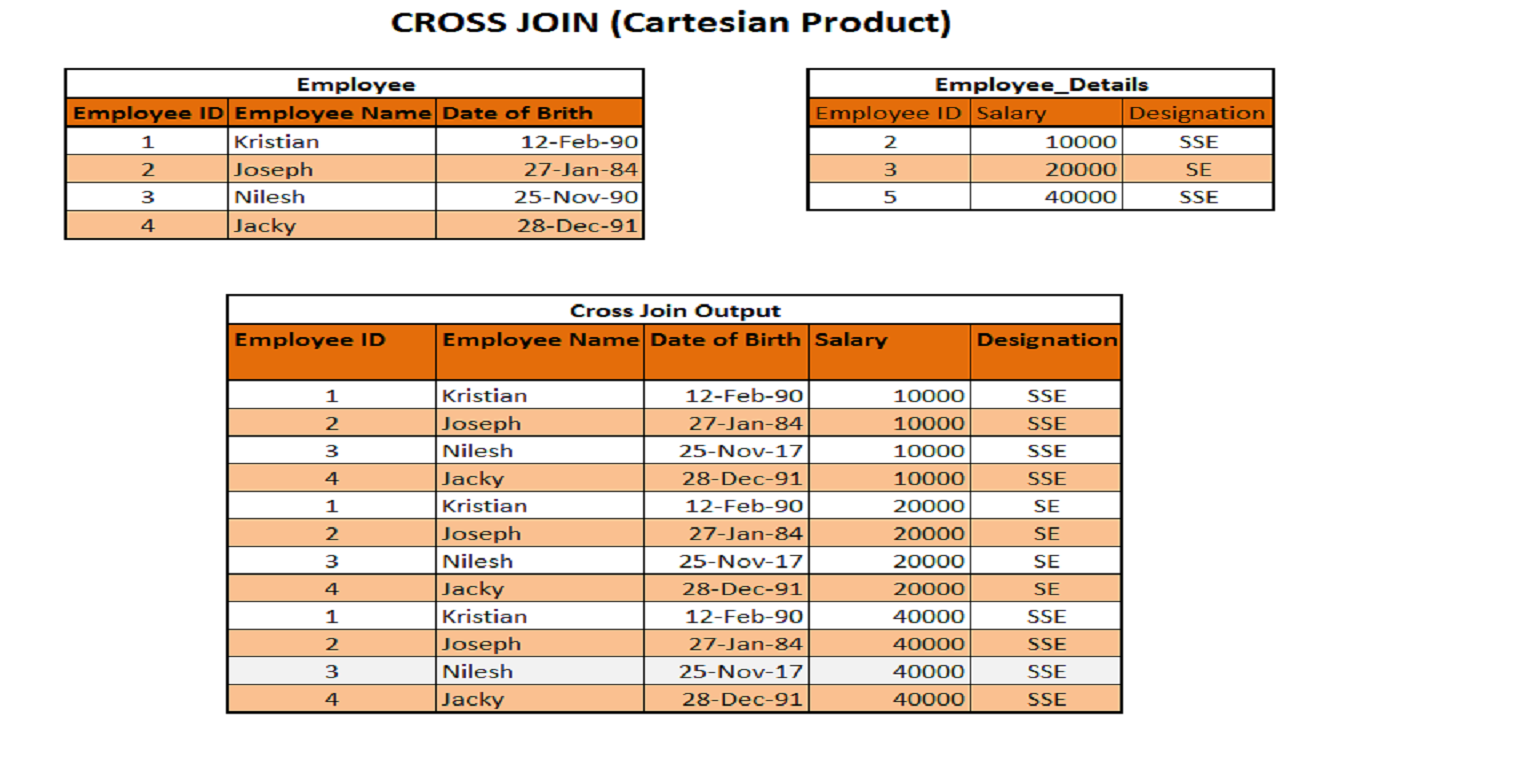

Image title

Inner Join

Inner joins combine all the observations from two or more datasets based on a common variable (column name) between them and returns only matching observations in two or more datasets.

PROC SQL;
Create Table Employee_Inner as 
Select * from Employee as a,Employee_Details as b
where a.EmployeeId=b.EmployeeId;
Quit;
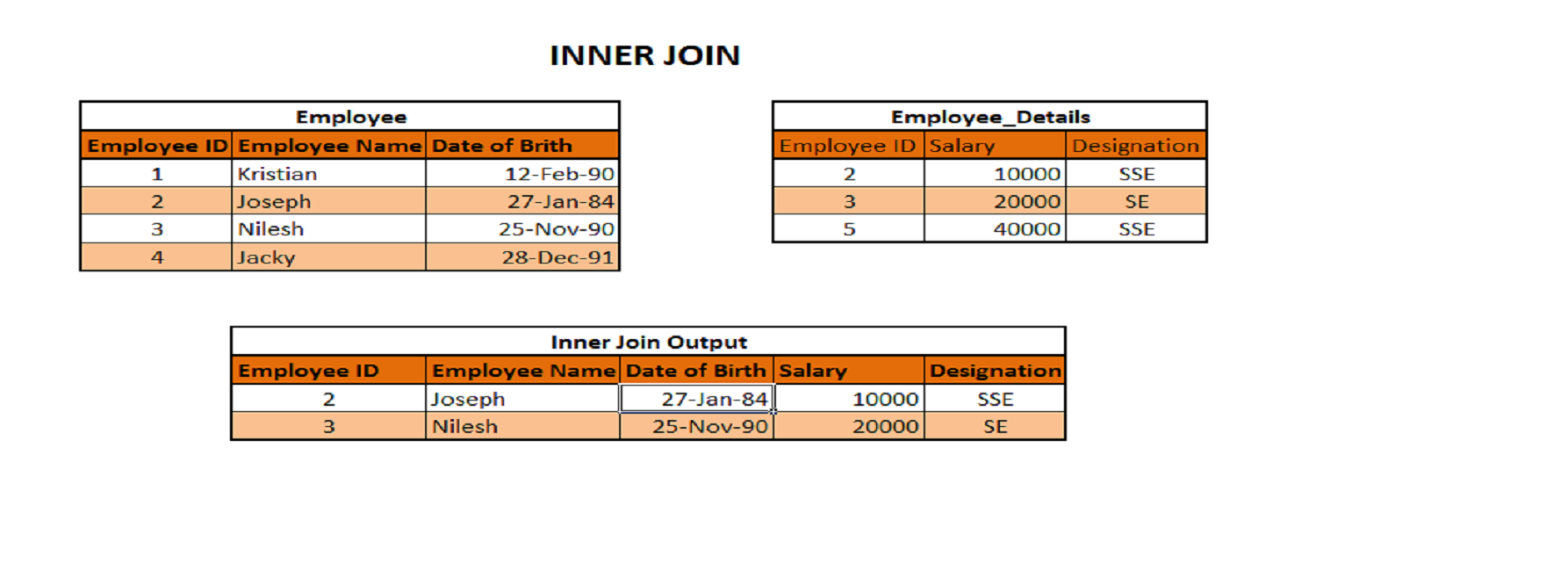
Image title

Left Join

A left join returns all the observations from the left dataset and matching observations from the right dataset.

PROC SQL;
Create Table Employee_Left as 
Select * from Employee as a Left Join Employee_Details as b
ON a.EmployeeId=b.EmployeeId;
Quit;
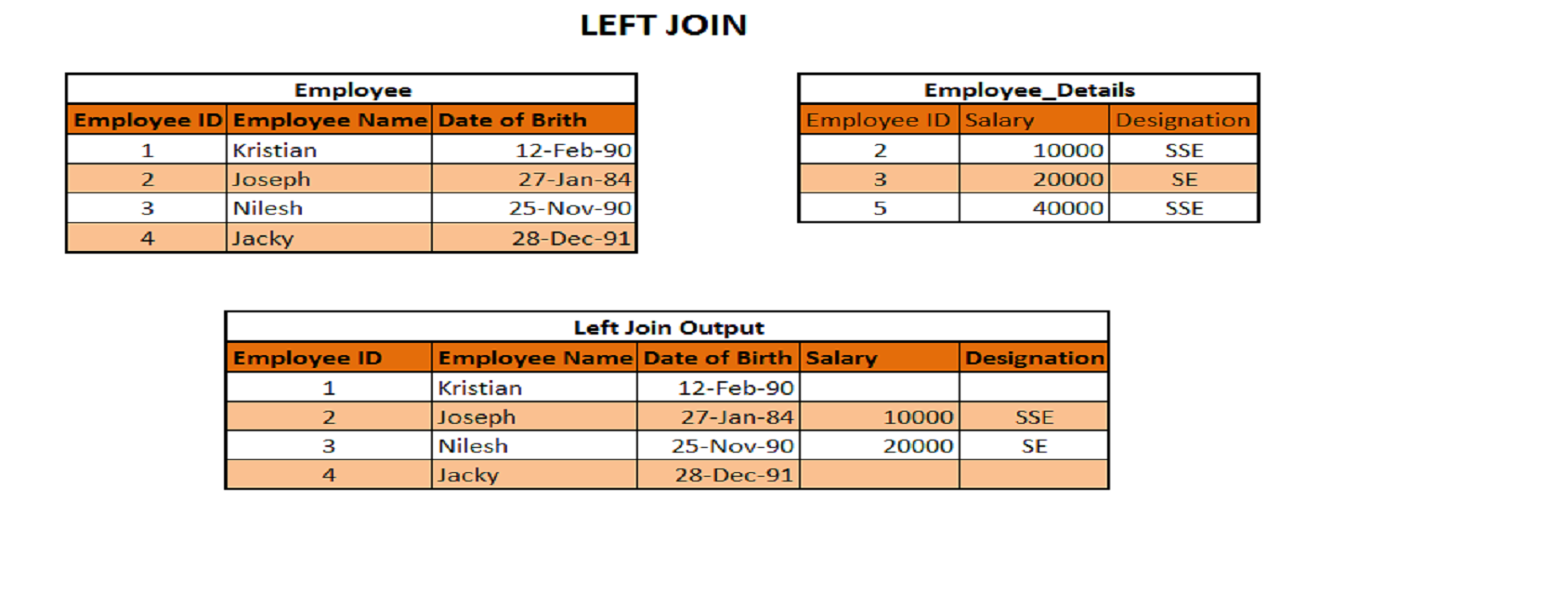
Image title

Right Join

Right joins return all the observations from the right dataset and matching observations from the left dataset.

PROC SQL;
Create Table Employee_Right as 
Select * from Employee as a Right Join Employee_Details as b
ON a.EmployeeId=b.EmployeeId;
Quit;
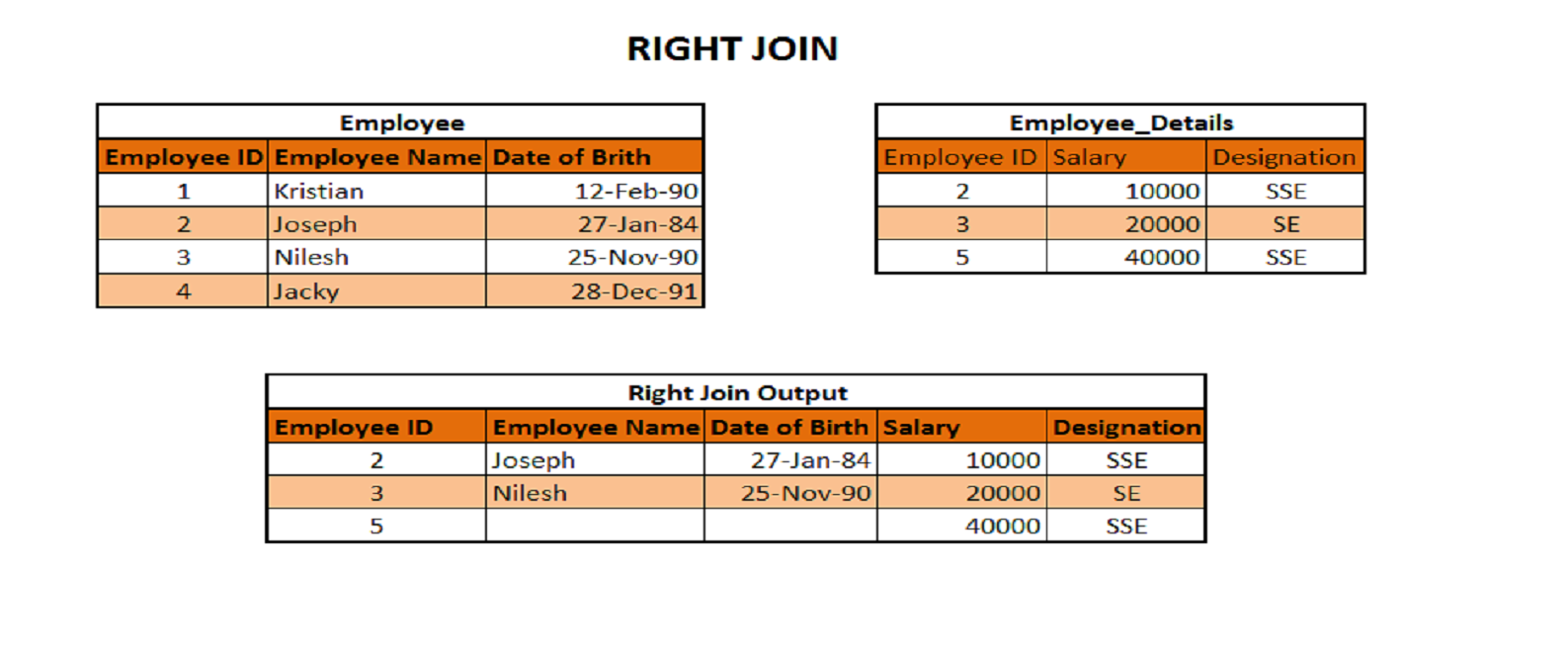
Image title

Full Join

A full join returns all the observations from the left and right datasets.

PROC SQL;
Create Table Employee_Full as 
Select * from Employee as a Full Join Employee_Details as b
ON a.EmployeeId=b.EmployeeId;
Quit;
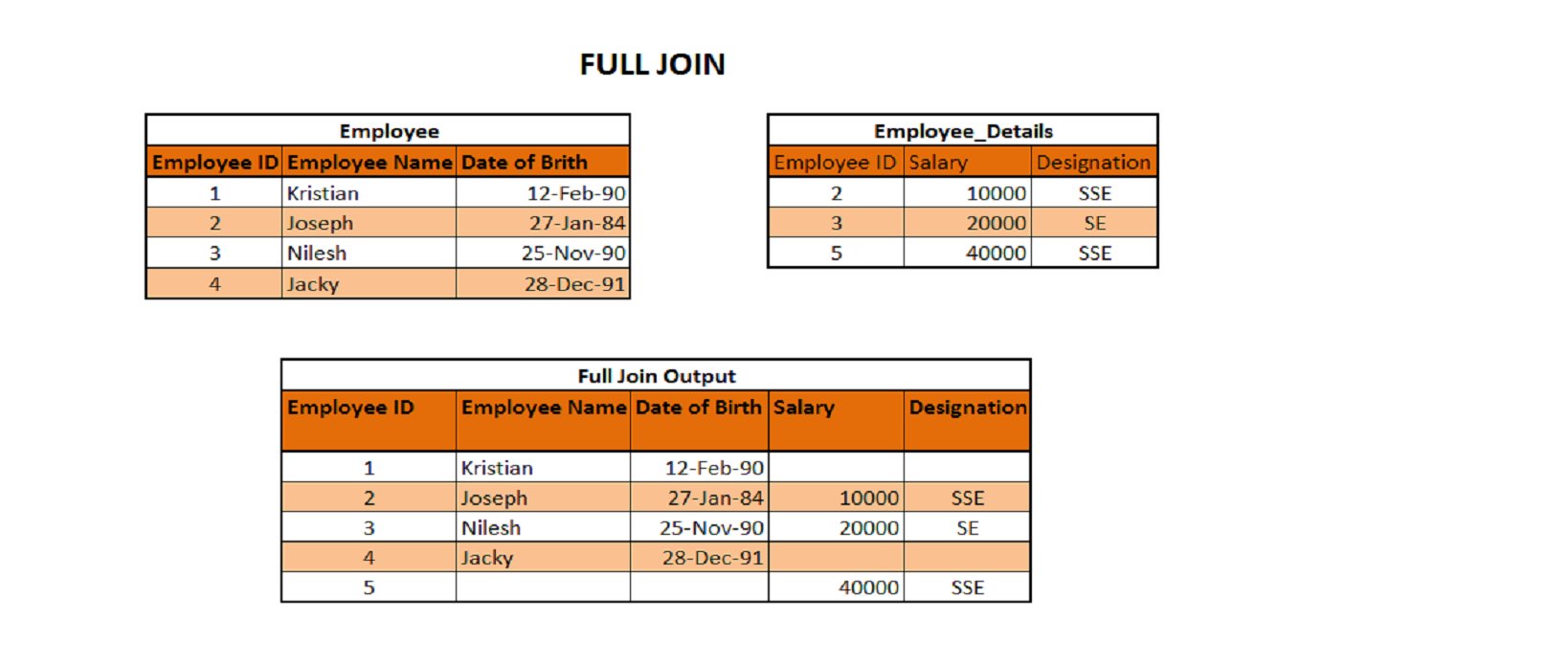
Image title

Conclusion

That's it! If you're a veteran, you should know how these joins work in most applicable databases, but now you know how to make them happen using SAS SQL.

Joins (concurrency library) SAS (software) Database sql

Opinions expressed by DZone contributors are their own.

Related

  • An Overview of SQL Server Joins
  • MongoDB to Couchbase: An Introduction to Developers and Experts
  • MySQL Instant DDL: Metadata Locks, Waiting Writers, and Query Pileups
  • PostgreSQL vs Oracle: When Higher Cost Means Better Performance

Partner Resources

×

Comments

Loading comments

The comments didn't load

Please try again in a moment.

Likes

Loading

The next likes didn't load. Please try again.

The likes didn't load

Please try again in a moment.

See who liked this

Log in or join DZone for free to see who liked this article.

Log in Join for free
  • RSS
  • X
  • Facebook

ABOUT US

  • About DZone
  • Support and feedback
  • Community research

ADVERTISE

  • Advertise with DZone

CONTRIBUTE ON DZONE

  • Article Submission Guidelines
  • Become a Contributor
  • Core Program
  • Visit the Writers' Zone

LEGAL

  • Terms of Service
  • Privacy Policy

CONTACT US

  • 3343 Perimeter Hill Drive
  • Suite 215
  • Nashville, TN 37211
  • [email protected]

Let's be friends:

  • RSS
  • X
  • Facebook