

Advancing Enterprise AI Solutions With Agentic RAG
Agentic RAG revolutionizes enterprise AI solutions by combining RAG with autonomous AI agents, enabling smarter, more proactive, and task-oriented AI applications.
 CORE
·
CORE
·
Join the DZone community and get the full member experience.
Join For FreeUntil recently, the advent of Generative AI changed the landscape of enterprise AI solutions. One of the most transformative approaches is retrieval-augmented generation (RAG). Of these, one of the most revolutionary paradigms of recent origin is RAG. It marries strengths from large language models (LLMs) with accurate information retrieval, thereby enabling companies to build wiser and more context-driven AI applications.
But what if we could add an extra layer of intelligence on top? Enter Agentic RAG, the state-of-the-art evolution of RAG, now imbued with agents that understand and can perform tasks independently.
Agentic RAG
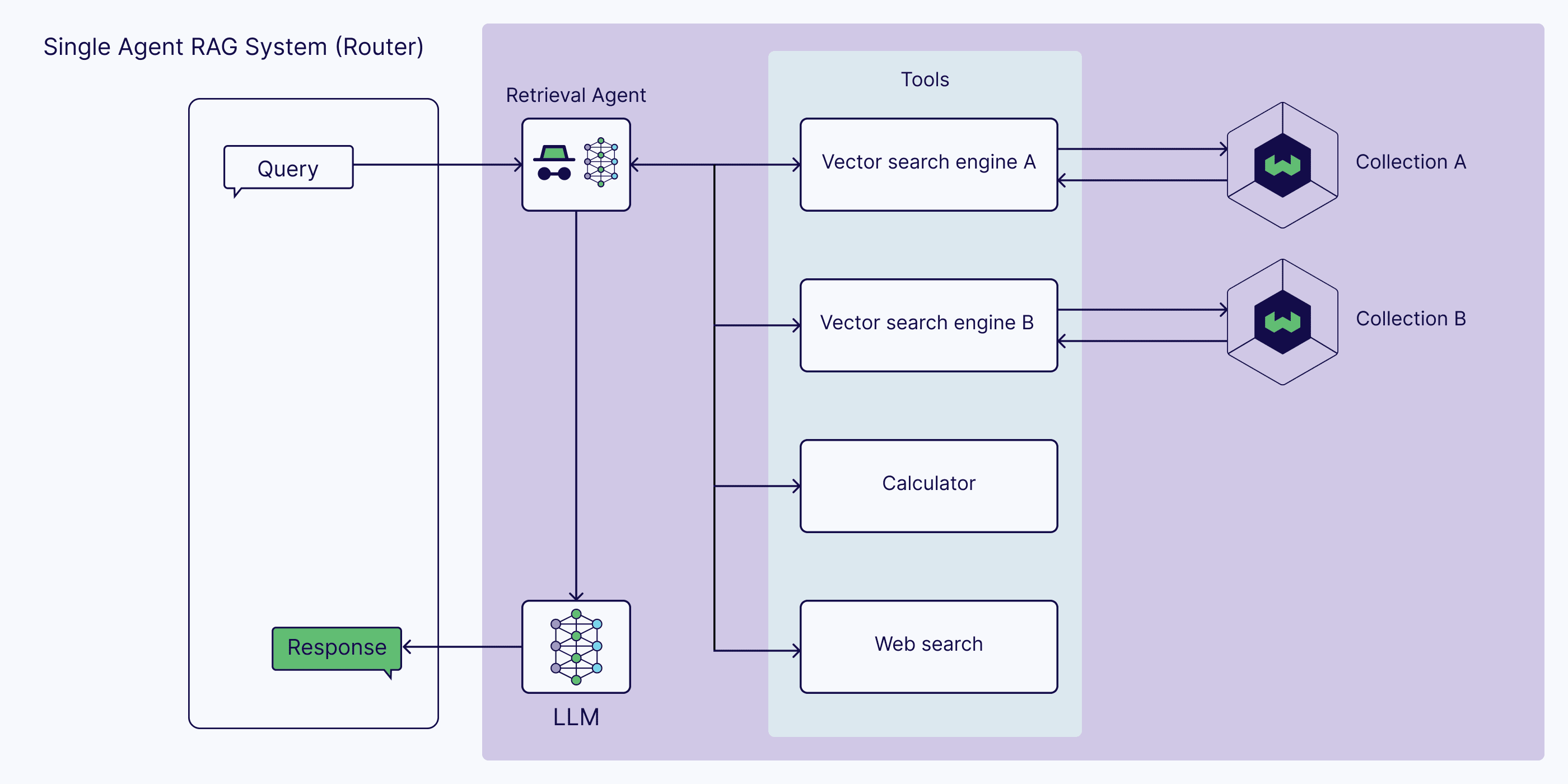
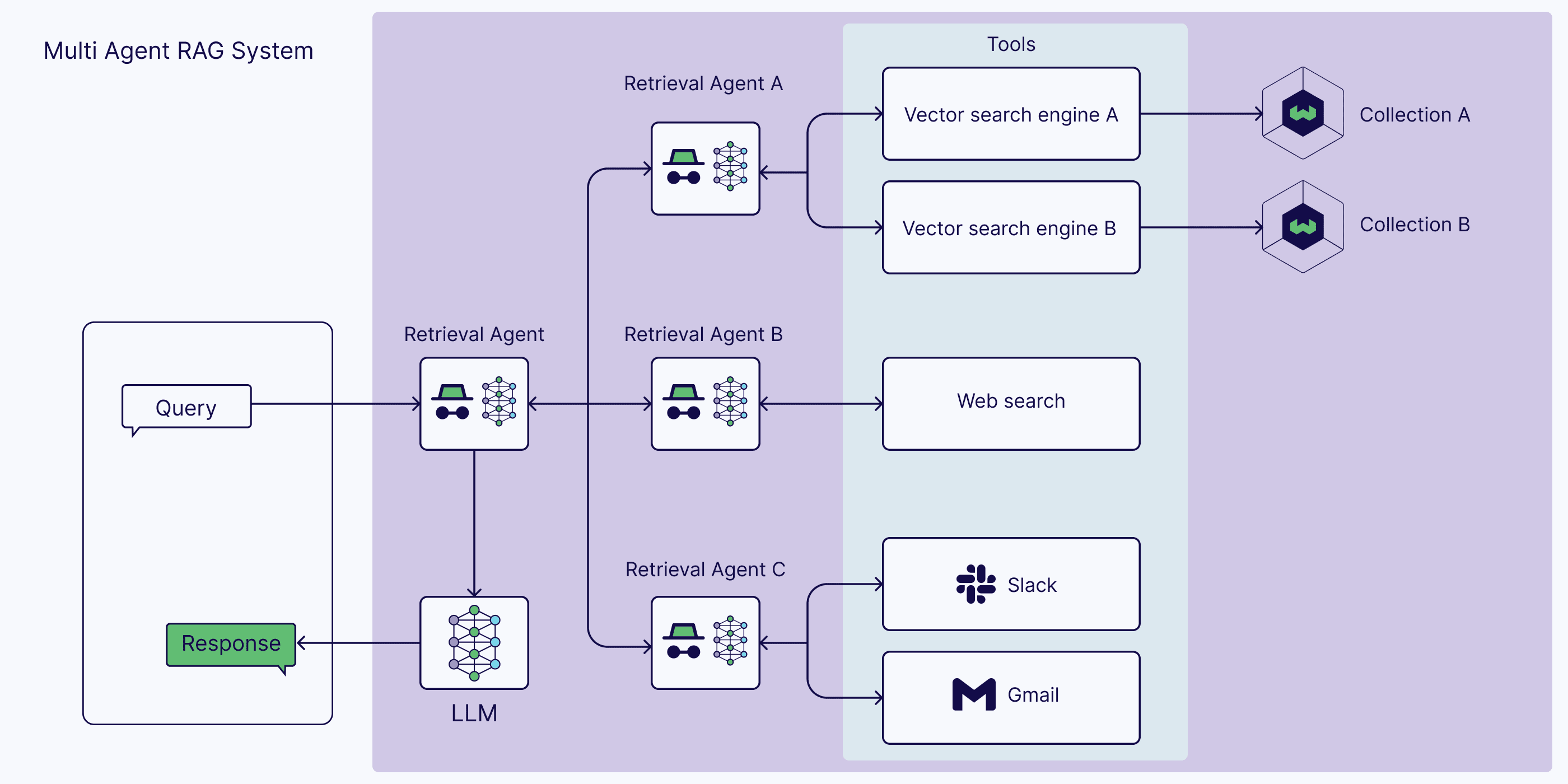
At its core, Agentic RAG extends on traditional RAG architecture through the addition of an agentic layer. Unlike traditional RAG, which pulls information from an external knowledge base — a vector database — the agentic layer will automate workflows, contextualize outputs, and even learn from requirements in real time. Thereby, the system becomes way more responsive and proactive.
Key Components of Agentic RAG
1. Knowledge Retrieval Module
The retriever is responsible for proper and timely data retrieval supported by advanced search methods, including vector-based methods or traditional keyword matching. Example tools are: Pinecone, FAISS.
2. Generative Language Model
This takes advantage of the retrieved information to produce natural language output that makes sense and is relevant. Popular ones include but are not limited to OpenAI GPT, Anthropic Claude, and Llama from Meta.
3. Agentic Layer
- Task Orchestration: Takes the user query down to actions that could be executed.
- Adaptive Reasoning: Continuously learns and readjusts with the evolution of scenarios.
- Action Execution: Goes beyond suggestion to implement decisions, such as sending notifications or updating workflows. Example tools are: LangChain Agentic RAG, LlamaIndex Agentic RAG.
4. Feedback Loop
Monitors and optimizes outputs through user interactions and performance metrics.
Benefits of Agentic RAG
The transition to Agentic RAG offers several advantages:
- Enhanced Accuracy: By incorporating agents with tool-using capabilities, the queries could be routed to niched sources of knowledge, hence better precision.
- Autonomous Task Execution: The reasoning layer within agents enables validation of retrieved information, ensuring the context is accurate before further processing.
- Human Collaboration: These systems can work seamlessly alongside humans, providing actionable insights and completing tasks autonomously.
For example, agentic pipelines validate retrieved content, leading to more reliable and contextually accurate responses, making them invaluable in enterprise environments.
Limitations of Agentic RAG
Despite its benefits, Agentic RAG has its challenges:
- Latency and Unreliability: Leveraging LLMs for subtasks introduces processing delays and occasional inaccuracies. Depending on the agent’s reasoning capabilities, tasks might not get completed or fail completely.
- Failure Handling: Thorough mechanisms need to be put in place to deal with situations where agents encounter some problems. Implementing fallback strategies or human-in-the-loop workflows can help agents recover from deadlocks and improve overall reliability.
Future of Agentic RAG
As the Generative AI keeps evolving, Agentic RAG is poised for:
- Real-Time Adaptation: Systems will become smarter, adapting instantly to new data inputs and user needs.
- Multi-Modal Integration: The inclusion of text, images, and video will enrich outputs, catering to industries like education, science, media, and entertainment.
- Global Reach: With enhanced language support, Agentic RAG could bridge communication gaps in multilingual environments.
Conclusion
Agentic RAG isn’t just an upgrade; it’s a paradigm shift. This framework heralds the redefinition of enterprise AI applications by introducing retrieval precision, generative prowess, and decision-making agents into one competent model. Be it operational efficiency or the quest to deliver unparalleled user experience, Agentic RAG presents an intelligent scalable solution.
With the rise of AI agents, many frameworks have evolved to implement Agentic RAG, such as LlamaIndex, LangGraph, or CrewAI. Start exploring possibilities today with resources from DZone AI Zone.
Opinions expressed by DZone contributors are their own.
Comments