

AI Agents: A New Era for Integration Professionals
Are AI agents just an integration flow with a few extra tricks? Learn what AI agents are and how and where they add value in the current AI landscape.
 ·
·
Join the DZone community and get the full member experience.
Join For Free• Timeless patterns, smarter tools: AI agents may seem revolutionary, but they are built on timeless integration patterns like those in ESBs and ETLs, enhanced with smarter capabilities like dynamic parsing and semantic routing.
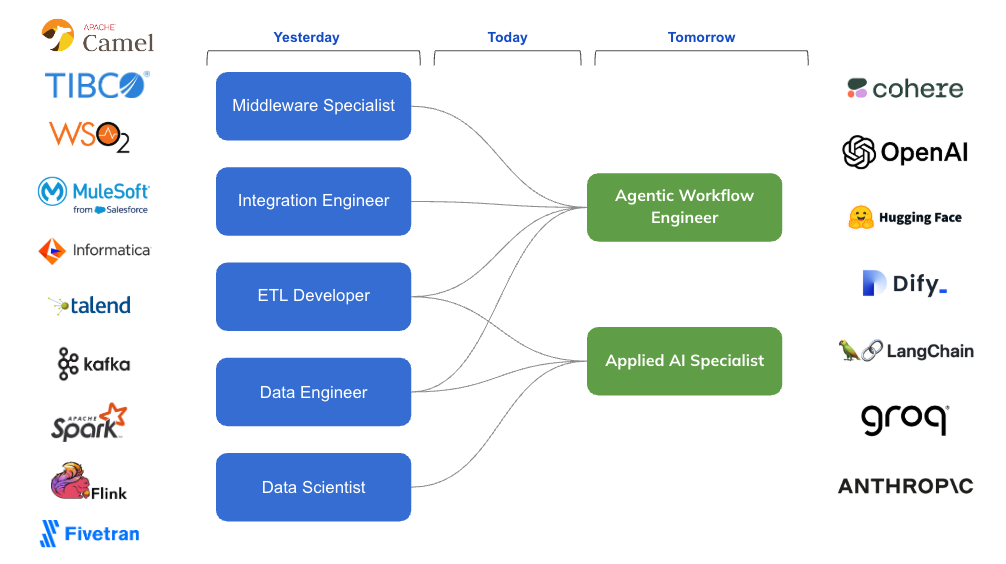
• Evolving roles and teams: They unify application and data integration efforts, dissolving silos. Traditional roles like middleware specialists, ETL developers, and data scientists evolve into agentic workflow engineers and applied AI specialists.
• Practical adoption guidance: Adopting AI agents requires rethinking team structures, starting small with AI-enhanced workflows, and focusing on reusable, scalable components to thrive in the era of agentic workflows.
In today’s tech landscape, AI agents are the latest buzzword. For a data scientist, it might feel like a fascinating new playground. For an engineer, they’re an intriguing challenge. For decision-makers, they trigger a bit of FOMO — “Shouldn’t we be using this too?” But if you’ve spent years in the middleware world, connecting systems and orchestrating workflows, you’ll recognize them for what they are: an integration flow with a few extra tricks.
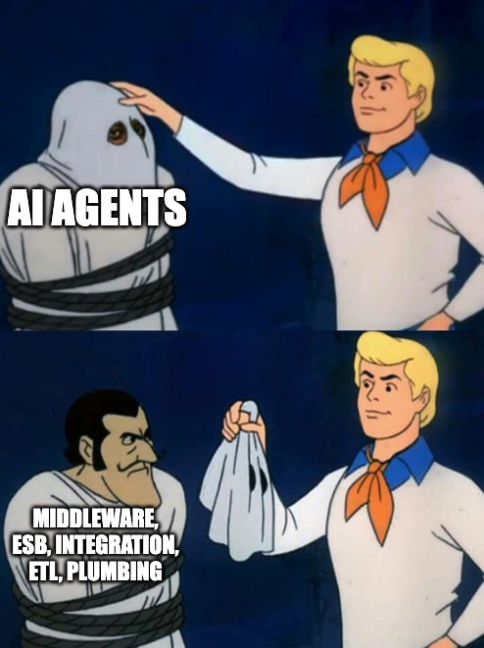
This thought first struck me while watching Richard Socher, you.com CEO’s interview with the FII Institute on YouTube. When asked about AI’s limitations, he used the term plumbing, and it immediately took me back to the old integration days. Beneath the buzz and innovation, AI agents are still fundamentally rooted in the same timeless integration patterns — routing, transformation, and orchestration — that have driven systems for decades.
“Everything is an integration problem.”
— Gregor Hohpe, Enterprise Integration Patterns
That’s not to diminish their potential. AI agents bring genuinely exciting capabilities like advanced parsing and natural language-based transformation. But the underlying patterns of routing, orchestration, and transformation are far from revolutionary. This blog unpacks what AI agents really are, where they add value, and how different professionals and teams can approach them without falling for unnecessary hype.
1. The Generations of Integration: A Comparative View
Integration technologies have evolved across three generations. While each generation has brought new capabilities, the foundational principles remain unchanged. Event-streaming patterns, in particular, marked a significant leap, enabling real-time processing and insights that were previously impossible.
Here’s how the generations compare.
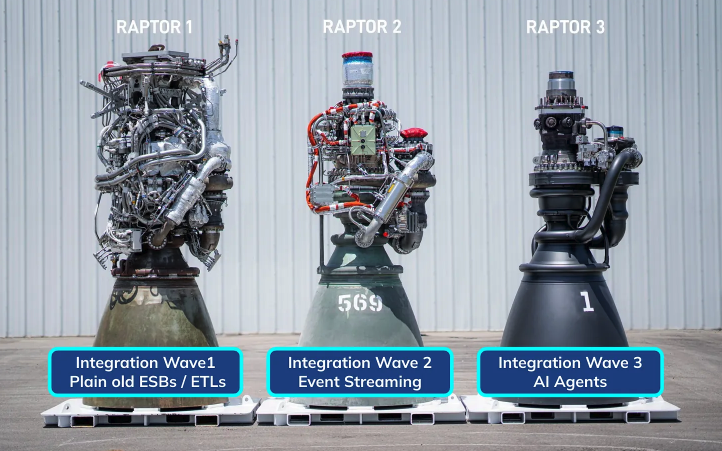
First generation: Source-destination mapping, transactional workflows, and basic transformations. Application workflows (e.g., ERP to CRM).
Second generation: Event-streaming patterns (e.g., windowing, joins), real-time pipelines, content-based routing, stream enrichments, and data inference. Real-time data pipelines and analytics.
Third generation: AI-powered workflows, advanced parsing, semantic search, unstructured data handling, and unified workflows combining batch and real-time paradigms. Intelligent workflows for data and apps.
2. The Great Convergence: From Silos to Unified Agentic Workflows
Integration has traditionally been divided into two distinct silos:
1. Application integration: Middleware engineers managed operational systems like CRMs and ERPs, often using ESBs or microservices to connect applications.
2. Data integration: Data engineers built ETL pipelines to transform and load data into analytical systems, usually in batch processes.
These silos operated independently, creating inefficiencies and requiring teams to work in isolation. Application workflows rarely communicated with data pipelines, leading to fragmented processes and slower decision-making.
AI agents are driving a fundamental shift by unifying workflows that were once disconnected. This is happening for the following reasons:
• The need for real-time decision-making requires data to flow seamlessly between systems, blurring the lines between batch and real-time processes.
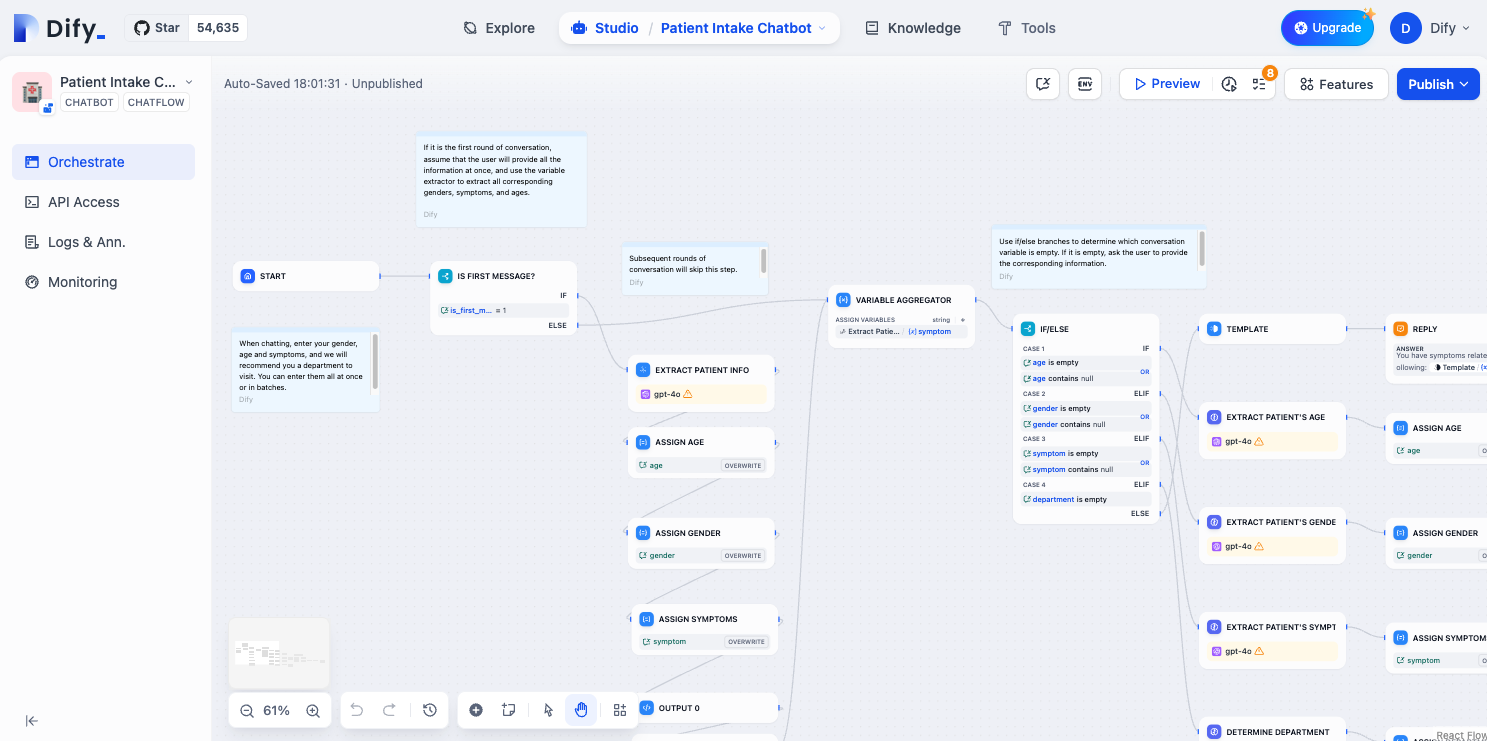
• Advances in AI and natural language models enable systems to interpret unstructured data, making it easier to bridge the gap between operational and analytical workflows.
• The demand for dynamic adaptability in workflows means hardcoded, siloed systems are no longer sufficient.
This convergence means organizations no longer need separate application and data integration teams. Instead, agentic teams handle workflows holistically, integrating application logic, data transformations, and AI-driven tasks.
Agents are just smarter integration services.
3. Reimagining Roles in the Era of AI Agents
AI agents are transforming workflows — but what does that mean for your role? If you’re an integration developer working with ETL pipelines or APIs, you might wonder how your expertise fits into a world of smarter workflows. Data engineers stand at a crossroads, with many evolving into Applied AI Specialists focused on operationalizing AI, while others pivot toward designing AI-enhanced workflows.
Data scientists, meanwhile, are shifting from being the “centerpiece of AI innovation” to collaborative roles, where operationalization and measurable impact take precedence. For team leads or architects, the challenge lies in guiding unified teams toward impactful, AI-driven solutions.
As workflows unify and silos collapse, the distinction between traditional roles fades. This evolution isn’t about replacing skills — it’s about amplifying them. AI agents are building on what you already know, allowing you to align your skills and mindset with the opportunities they bring.
Let’s explore how integration developers, data engineers, data scientists, and leaders can imagine their roles in this new era.
Integration Developers: Becoming Workflow Engineers
For integration developers or those experienced in APIs, ETL pipelines, and application workflows, AI agents enhance the tools and patterns you already know, adding intelligence and adaptability. This evolution positions you as a workflow engineer, designing smarter systems that unify structured, unstructured, batch, and real-time data.
What you’ll do:
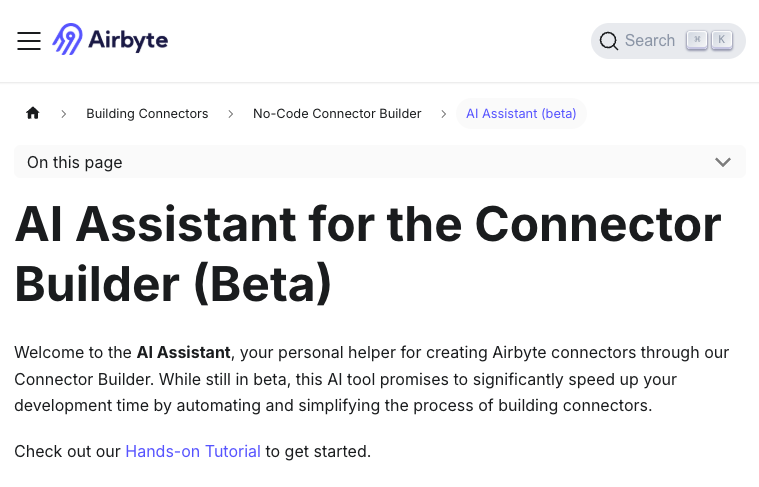
• Smarter connectors: Dynamically connect to systems without prebuilt connectors, where connectors are generated on the fly by reading API documentation.
• Advanced parsing: Automate tasks like extracting key data from invoices, logs, or support tickets using AI models.
• Semantic routing: Use AI agents to route tasks based on context or meaning, such as prioritizing customer issues in real time, going beyond static, hardcoded content-based routing.
• Unified workflows: Design systems that seamlessly integrate batch analytics with real-time updates, such as syncing inventory data while generating live sales reports.
AI agents are an extension of your expertise, transforming workflows into intelligent, adaptive processes that scale effortlessly.
Data Scientists: Transitioning to Applied AI Specialists
The role of data scientists is shifting from standalone research to applied intelligence. Collaboration and operationalization are replacing experimentation as the focus, with AI agents driving real-world impact.
What you’ll do:
• Tailored models in action: Customize pre-trained models to optimize fraud detection, improve product recommendations, or enhance customer segmentation.
• Collaborative integration: Work with engineers to embed AI capabilities into workflows like predictive analytics for supply chains or sentiment analysis in chatbots.
• Operational AI: Develop workflows that scale AI solutions, ensuring they deliver measurable and consistent business value.
As an applied AI specialist, you’ll focus on translating AI’s potential into tangible, scalable outcomes.
Team Leaders: Becoming Cross-Functional Orchestrators
For leaders, the rise of AI agents requires a shift toward building unified, cross-functional teams. Integration and data silos are disappearing, and success depends on aligning technical workflows with business objectives.
What you’ll do:
• Cross-functional collaboration: Bring engineers and data scientists together to co-create intelligent workflows that solve end-to-end business challenges.
• Scaling with reusability: Standardize tools like AI-powered parsers or semantic routers to scale workflows efficiently.
• Strategic alignment: Guide teams to focus on workflows that deliver operational efficiency and strategic value, such as personalized customer experiences or streamlined logistics.
4. Transitioning to the Agentic Team Structure
Now that we’ve explored how roles evolve, the next step is understanding how to transition into this new structure. The journey won’t happen overnight, but even a small, focused team can drive significant results with the right mindset and approach.
The shift to becoming an agentic workflow engineer or applied AI specialist begins with assessing your current skills and interests. Engineers need to build on their integration expertise while adopting AI fluency, and data scientists must focus on embedding AI into workflows that deliver measurable outcomes.

In the short term, hybrid roles will dominate. Professionals will need to balance their traditional responsibilities with experimenting and iterating on AI-driven workflows. This phase is essential for learning, adapting, and setting the stage for specialized roles as organizations scale their agentic efforts.
5. Practical Guidance for Adopting Agentic Workflows
Adopting AI agents is like learning to surf in a chaotic ocean—you’re not going to master it on the first wave, but you need to jump in. Whether you’re building a team to deliver AI-driven solutions, learning the technology, or transitioning into roles like agentic workflow engineer or flapplied AI specialist, the biggest mistake you can make is standing still.
Here’s how to get moving:
1. Don’t get lost in the noise — patterns are your compass
There’s no shortage of AI tools, libraries, and platforms vying for attention, and the noise is only getting louder. The key is not to get overwhelmed by the sheer volume of options. Instead, lean on timeless integration patterns, like those outlined by Gregor Hohpe.
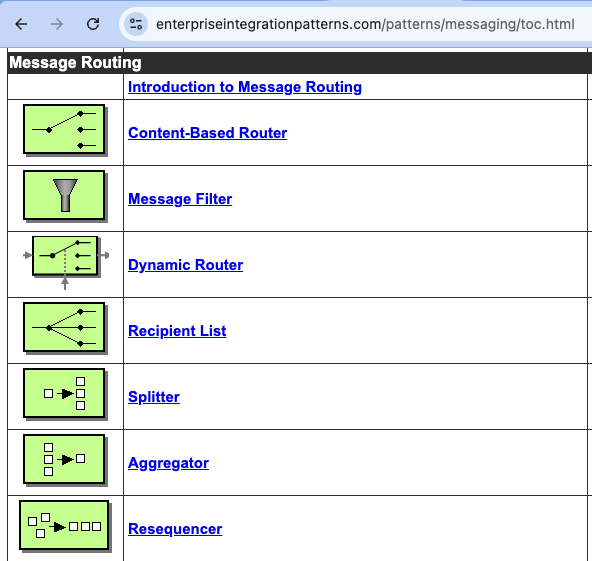
Routing, transforming, and orchestrating workflows remain the backbone of every system, whether it’s batch, real-time, or AI-driven. Tools will come and go, but patterns ensure your workflows are robust and adaptable. Whenever things feel chaotic, go back to the basics — they’ll guide you through.
2. Rethink silos
Merge application integration and data engineering teams into unified, cross-functional groups. AI workflows blur the lines between these disciplines, and your team structure should reflect this reality. Equip team members with skills in both integration and AI to foster collaboration and agility.
3. Start small and win big
Don’t try to overhaul your entire organization at once. Pick one high-impact workflow — like adding AI-driven parsing or a semantic routine — and enhance it. Use this as a proof of concept to demonstrate value, learn from the process, and build momentum for scaling AI capabilities across the business.
4. Build reusable components
Stop solving the same problems repeatedly. Create modular, reusable components that can be applied across workflows, such as parsers, enrichment agents, and semantic routers. Standardize patterns to make future integrations faster, easier, and more scalable.
5. Experiment relentlessly with models
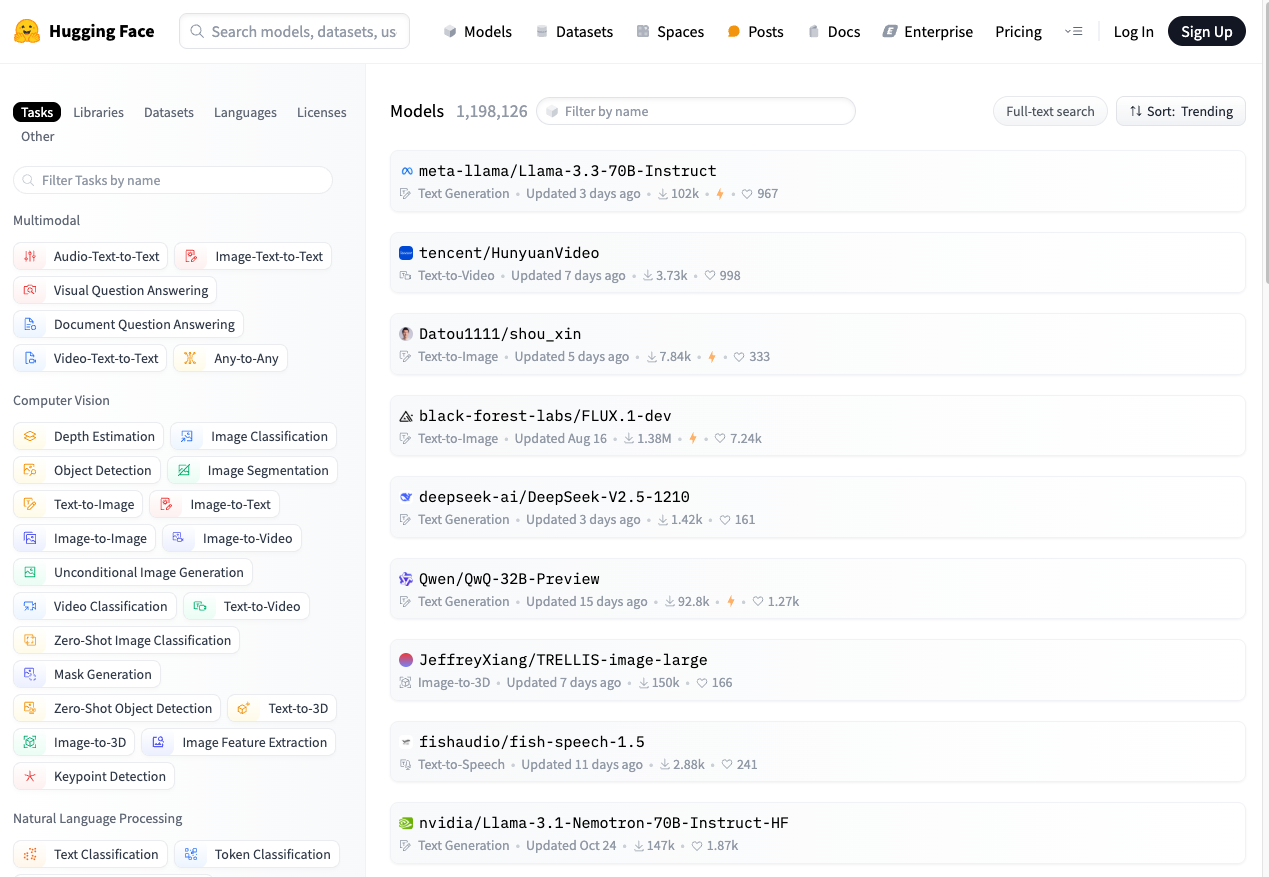
This is not a time to play it safe. The AI space is evolving hyperactively, and no single model or tool will be a perfect fit forever.
Encourage your team to do the following:
• Test multiple models, from off-the-shelf APIs to open-source frameworks to fine-tuned large language models (LLMs).
• Layer models with your organization’s data to build context-specific solutions.
• Treat failure as a learning opportunity, iterating and improving with every experiment.
Your team is your most valuable model. Over time, their expertise and adaptability will outpace even the best tools on the market.
6. Master vectors — your future memory bank
“Go back to your math class — vectors, matrices, and dimensions aren’t just abstract concepts; they’re the core of tomorrow’s AI architecture.”
Regardless of how powerful LLMs or neural networks become, vector databases will remain critical to your workflows. Learn how they can be stored, organized, retrieved, transformed, etc. They’re the key to creating long-term memory in systems, optimizing costs, protecting intellectual property, and building architectures that scale. Vectors help organizations own their data and context, creating a unique foundation for smarter workflows.
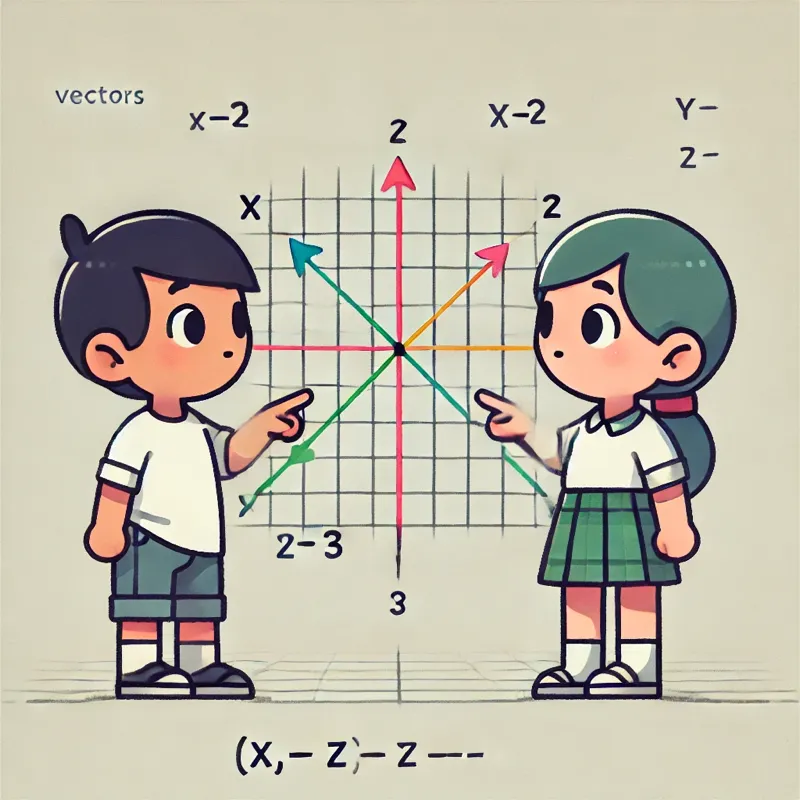
Many datastores have recently added vector support, signaling that vectors are becoming mainstream and deeply embedded in real-world applications. This isn’t just a passing trend; it’s a tectonic shift in how modern systems operate.
7. Iterate and scale thoughtfully
Once you’ve nailed a proof of concept, don’t rush to scale everything at once. Refine workflows based on feedback and gradually expand their scope. Keep monitoring and adapting workflows to meet changing business needs and AI capabilities. Scalability doesn’t mean haste; it means deliberate, thoughtful growth.
So, that’s where we are—AI agents, timeless patterns, evolving roles, and a future built on smarter workflows. The shift is here, and it’s faster than you think.
Now tell me, what’s your thought process? What patterns come to your mind? And most importantly, where are you going to start?
Published at DZone with permission of Gnanaguru Sattanathan. See the original article here.
Opinions expressed by DZone contributors are their own.
Comments