

Creating MVPs on a Budget: A Guide for Tech Startups
Discover how to create MVPs on a budget with our guide for tech startups. Learn essential tips to validate your ideas and turn them into successful products.
Join the DZone community and get the full member experience.
Join For FreeYou must have used Snapchat and Uber, but do you know how they started? These widely used applications began as minimum viable products (MVPs).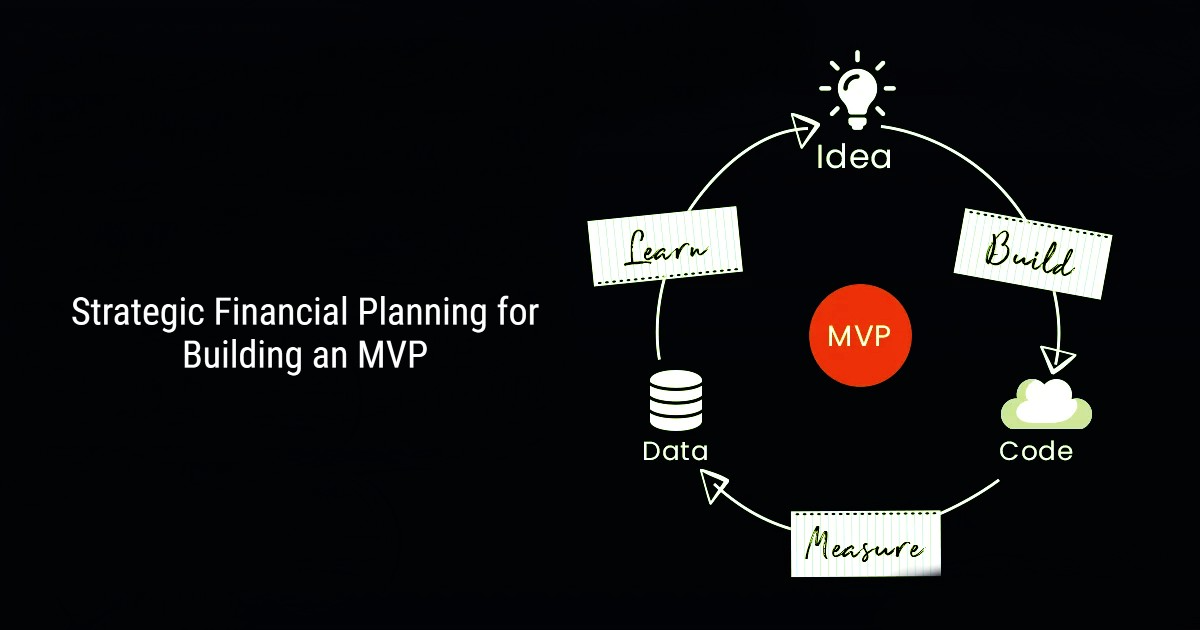
Uber was initially launched as “UberCab,” a basic, on-demand ride-hailing app with one main feature: allowing users in San Francisco to book black car services through their smartphones. Similarly, Snapchat started as a single-feature application called “Picaboo,” enabling users to send photos that would disappear after a few seconds.
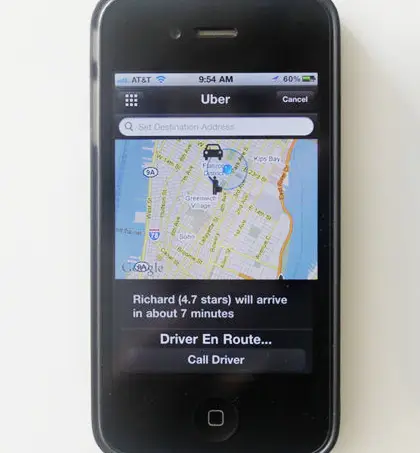
Why did they start small? Both companies aimed to test their core functionality among a smaller group of users. Once these feature apps gained traction, they gradually enhanced them with advanced functionalities. Fast forward a few years, and they are now among the most successful and innovative products in the tech industry.
Why Should You Start Small With an MVP?
Consider the following analogy to understand the utility of developing an MVP for your startup.
Imagine you're launching a new productivity app. The market is already competitive, with apps like Microsoft Teams, Trello, Slack, and Notion taking up significant portions.
In this situation, releasing a full-blown version of your application won’t be wise. Instead of developing a fully-featured app, start with a modest version (an MVP) with minimal features. This MVP includes essential features such as task creation, deadline setting, and basic reminders. By sharing it with real users, you can gather feedback on its functionality, look and feel, and user experience. This feedback is invaluable for understanding specific user needs and market demands, ensuring the final product minimizes the risk of costly missteps or product failure.
Summing It Up
Developing an MVP before launching the end product allows you to:
- Test the waters: Understand if there's a market demand for your product.
- Optimize resources: Use limited resources to test key ideas/features.
- Implement a feedback loop: Gather end-user feedback on the features they love or dislike.
- Improve iteratively: Make incremental improvements.
While MVP development significantly aligns your product with consumer and market demands, creating it also requires some careful considerations, especially in a financial context.
Smart Budgeting: Strategic Financial Planning for an MVP
Budgeting is one of the most essential parts of any project. Specifically for tech startups, budgeting becomes all the more important due to limited resources and the high stakes involved. They have to minimize the risk of product failure while meeting development costs (salaries for developers, software licenses, tools, etc), infrastructure requirements, quality assurance and testing, and other expenses of running a business.
Following a structured budgeting approach can help you optimize these expenses even when developing a small-scale MVP. Below are some aspects to focus on:
Factors To Consider
Before proceeding with a minimum viable product, consider the following:
Features You Want to Launch/Test
Identify the key features that your MVP will have. Focus on basic functionalities that best represent your product vision and address user challenges. Prioritizing these features will ensure that you meet user demands without overspending on less critical elements.
Development Approach
Decide whether you want to develop an MVP in-house (if you have an existing team), hire freelancers, or outsource it to an MVP development company. Each of these options comes with unique cost implications and directly impacts your project timeline and quality. Here is a rough breakdown:
|
Development Approach |
Time to Market |
Quality |
|---|---|---|
|
In-House Development |
Generally Long: Hiring and onboarding of full-time developers can take time. It also depends on your team’s existing workload, skills, and experience. |
High: Controlled development process with a dedicated team. However, it is susceptible to the risk of quality fluctuation if overloaded. |
|
Freelancers |
Short to Moderate: The time-to-market can be quick because they can start work immediately. However, this speed depends on the freelancers' availability and their alignment with the project's goals |
Variable: Quality depends on freelancers' expertise and commitment. Stringent quality control measures will be needed. |
|
Outsourcing to a Company Offering MVP Development Services |
Short: External teams with established processes and standards. They start immediately (as soon as 48 hours) and often deliver faster results. |
High: Professional teams with specialized skills and years of experience. The only effort goes into finding the right MVP development company. |
Technology Stack
Selecting the right technology stack can help optimize MVP development costs. Look for cost-effective technologies. For instance, leveraging open-source tools and frameworks like React for the front end and Node.js for the back end can help you sidestep licensing fees.
Expected Time-To-Market
Know when to launch. A faster development process can help your product capture market share early on. However, be careful as it may also add to the costs due to the expedited work and additional resources.
Testing Parameters
Be sure to allocate a portion of your MVP budget for thorough testing, including usability testing, A/B testing, beta testing, etc. Scheduling such testing processes will help you identify and address performance bottlenecks and issues early, preventing them from escalating post-launch.
Budget Allocation
On average, the cost of developing an MVP falls within the bracket of $11,000 to $30,000 (depending on your technical specifications, development approach, and features). While allocating this budget to the last dollar is practically impossible, we can help you with a rough allocation:
- Approximately 50% of it will go into the development process to cover the cost of salaries, development tools, and technologies.
- 15% should be allocated for rigorous testing to ensure product quality.
- 10% goes into refining the UI/UX for the desired user experience.
- 10% of funds should be kept aside for initial product promotions to attract early adopters.
- Set some funds aside for contingencies (~10%).
- The remaining budget covers other miscellaneous expenses that may arise.
Contingency Planning
Like all technological initiatives, MVP development is also susceptible to unexpected expenses and contingencies. Have a contingency plan to prevent unnecessary financial stress during the development process.
- Set some funds aside: Allocate a portion of your total budget for unforeseen circumstances. This will act as a buffer.
- Audit regularly: Review your allocated budget against ongoing expenses during the MVP development process to identify and address discrepancies early.
- Be flexible with your allocations: Prepare and be open to reallocating funds from less critical areas to other important ones or to cover unexpected expenses.
Some Practical Budgeting Advice
Here are some budget-friendly MVP development tips to help you with efficient allocation and optimization.
Assess the Problem and Market Potential
Study and define the specific user pain areas your MVP aims to solve. Using this data and research, gauge an approximate idea of the target user base, seasonal demand variations, competitors, etc. This will help you make better budget decisions and help you pitch to investors.
Emphasize USPs and Defer Non-Essential Features
Concentrate only on unique selling points that differentiate you from the competitors. It will help you defer from including non-essential, typical features found in every other app/product. This prioritization also minimizes initial development costs.
Consider Landing Pages and Single-Feature MVPs
Use landing pages as a cost-effective MVP to gauge interest and intrigue users. This will help you refine the concept based on real feedback before heavily investing in full-scale development. Additionally, considering single-feature MVPs that focus on one core functionality is another way to validate the idea with minimal investment.
Outsource Non-Core Functions
Consider outsourcing non-core tasks like UI/UX design, marketing, or customer support to professional MVP development services. This will allow your team to concentrate on core development tasks while benefiting from external expertise to keep costs manageable. You can also outsource the entire process for an accelerated time-to-market.
Seek Grants and Funding
The global startup ecosystem is thriving. To give you an idea, the NYC startup ecosystem alone is worth over US $189 billion as of 2023 — you can only imagine it on a global scale! So, look for potential subsidies, grants, and funding opportunities. Securing these funds can provide a significant boost to your budget and reduce financial pressure.
Build and Nurture a Community
Focus on building a community starting from your MVP. Consumers today actively seek not only quality products but also a dynamic and engaging interaction experience with companies. Engaging with them from the beginning can help foster a loyal consumer base, even in a competitive environment.
The Takeaway
An MVP is an effective way to test your product ideas and get validation from actual end users. However, just like any other development process, even MVP development requires careful consideration. Focus on addressing specific user challenges by thoroughly studying the market. Employ cost-effective development tools and technologies, and regularly review expenses to stay within your allocated budget. Keep in mind that an MVP is only the beginning, not the end. You’ll have to continue pouring in these efforts to successfully take your MVP to full-scale development and launch.
Opinions expressed by DZone contributors are their own.
Comments