

Infrastructure as Code Is Not Enough
Learn about why Infrastructure as Code alone can't ensure reliability and how intent, policy, and feedback loops create self-correcting, resilient systems.
Join the DZone community and get the full member experience.
Join For FreeWhen Infrastructure as Code Stops Solving the Problem
Infrastructure as Code changed the industry for the better. For the first time, infrastructure could be reviewed, versioned, and deployed with the same discipline as application code. Teams moved faster, environments became more consistent, and manual mistakes dropped dramatically.
But as systems grew larger and more dynamic, many teams started to notice something uncomfortable. Even with well-written Terraform or CloudFormation, production incidents did not disappear. Upgrades were still risky. Latency problems still required late-night intervention. Security drift still showed up months after deployment.
The issue was not poor implementation. The issue was that Infrastructure as Code was never designed to operate systems continuously. It was designed to create them.
Why Static Definitions Struggle in Living Systems
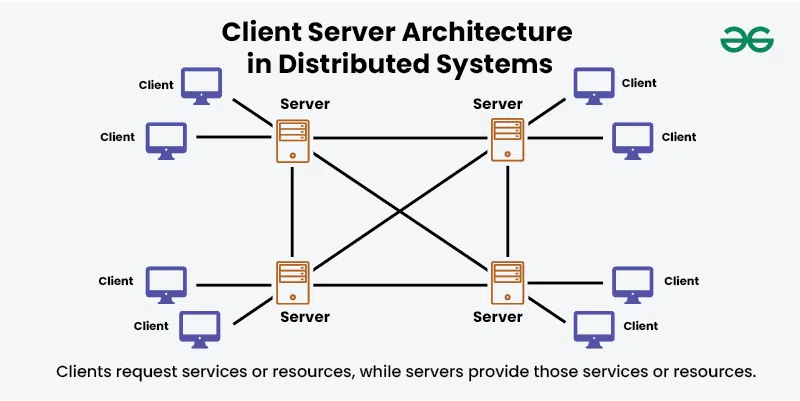
Infrastructure as Code was built for systems that behave predictably. You define resources, apply the configuration, and expect the system to remain close to that state. Modern infrastructure does not work that way.
Cloud native platforms change constantly. Traffic shifts by the minute. Pods restart. Nodes appear and disappear. Dependencies slow down without ever fully failing. These behaviors are normal, not exceptional.
Static definitions describe what infrastructure should look like, but they do not understand what is happening right now. A Terraform file can define capacity, but it cannot tell whether that capacity is sufficient under current conditions. A Kubernetes manifest can set limits, but it cannot detect slow performance that quietly degrades user experience.
Many teams try to bridge this gap with simple automation.
if cpu_usage > 80:
    scale_up()
This works until it does not. Latency may increase even when CPU is low. Scaling may make things worse if the real issue is a downstream dependency or a bad deployment.
Living systems need decisions based on context, not fixed thresholds.
if latency > intent.max_latency:
    if recent_deploy_detected():
        rollback()
    else:
        rebalance_traffic()
This approach evaluates the system against what it is meant to deliver, not just raw metrics. It chooses actions that protect user experience instead of blindly reacting to signals.
The problem with static definitions is not that they are wrong. It is that they freeze intent at deployment time while the system continues to evolve. Without continuous evaluation and correction, configuration and reality drift apart.
As systems become more dynamic, that gap grows faster. Infrastructure teams are not struggling because they lack discipline. They are struggling because static tools are being asked to manage living systems.
The Shift From Configuration to Behavior
For a long time, infrastructure work was about configuration. Teams focused on getting settings right, choosing the correct instance sizes, and defining how many replicas should run. If the configuration matched the template, the system was considered healthy.
That mindset breaks down in modern environments. A system can be perfectly configured and still behave poorly. Latency can rise, dependencies can slow down, and user experience can degrade without anything being technically misconfigured.
Behavior focuses on what the system actually does in production, not how it was set up. It shifts attention from static settings to real outcomes like availability, response time, and error rates. Instead of asking whether infrastructure matches a definition, teams ask whether the system is behaving the way users expect.
This shift changes how automation works. Traditional automation reacts to individual signals.
if cpu_usage > 80:
    scale_up()
Behavior-driven systems look at context and outcomes before acting.
if latency > intent.max_latency:
    protect_user_experience()
The difference is subtle but important. The first example reacts to a metric. The second reacts to user impact. The system is no longer following instructions blindly. It is making decisions based on behavior.
This approach also reduces unnecessary action. Not every spike requires scaling. Not every anomaly requires rollback. By focusing on behavior, platforms act only when user-facing goals are at risk.
The shift from configuration to behavior is what allows infrastructure to move from being automated to being adaptive. It is the foundation for platforms that can respond intelligently to change instead of reacting mechanically to symptoms.
Policy as Code Keeps Systems Safe After Deployment
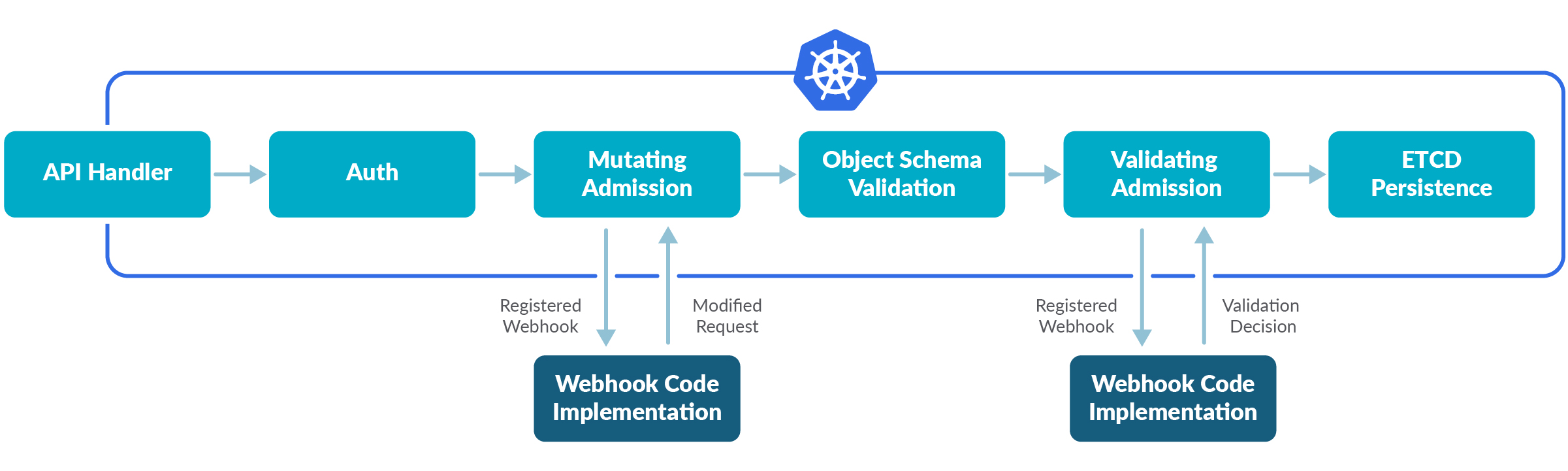
Infrastructure as Code creates resources, but it does not control how those resources behave over time. Policy as Code fills that gap by enforcing safety rules continuously, not just at deployment.
In Kubernetes, policies commonly run at admission time and block unsafe configurations before they reach the cluster.
Require resource limits on all pods.
apiVersion: constraints.gatekeeper.sh/v1beta1
kind: K8sRequiredResources
metadata:
  name: require-resource-limits
spec:
  match:
    kinds:
      - apiGroups: [""]
        kinds: ["Pod"]
This prevents a single workload from exhausting cluster resources.
Block privileged containers.
apiVersion: constraints.gatekeeper.sh/v1beta1
kind: K8sPSPPrivilegedContainer
metadata:
  name: disallow-privileged
spec:
  parameters:
    privileged: false
This stops insecure workloads before they run.
Policies can also include operational context.
Freeze deployments during peak hours.
if is_peak_hours():
    deny_change("deployment blocked during peak traffic")
Policies do not replace engineering judgment. They encode it. Once defined, they run everywhere, all the time, with no manual review required.
This is what keeps systems safe after deployment. The platform enforces the rules so teams can move fast without breaking production.
Intent Changes the Conversation Completely
Traditional infrastructure conversations revolve around configuration. How many replicas should we run? What instance size should we use? Which threshold should trigger scaling? These questions assume that decisions made upfront will remain correct in production.
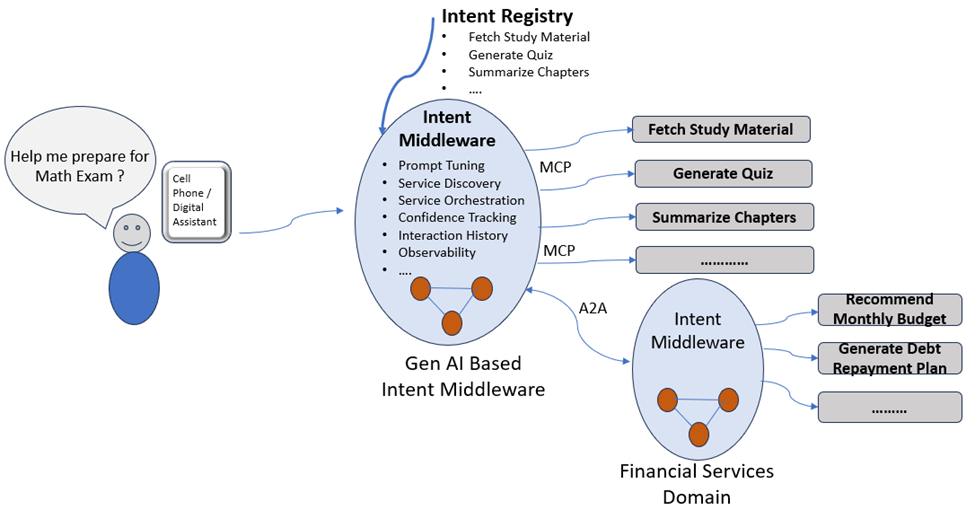
Intent changes that assumption.
Instead of prescribing how the system should operate, intent defines what the system must protect. Availability, latency, and error tolerance become the source of truth. The platform is free to change its behavior as long as those goals are preserved.
Below is a simplified intent-driven control loop that shows how modern platforms reason about decisions.
intent = {
    "availability": 99.9,
    "max_latency_ms": 200,
    "max_error_rate": 0.5,
    "recovery": {
        "rollback_on_regression": True,
        "allow_autoscale": True
    }
}

def evaluate_system(metrics, context, intent):
    if metrics["latency_ms"] > intent["max_latency_ms"]:
        if context["recent_deploy"] and intent["recovery"]["rollback_on_regression"]:
            return "ROLLBACK"
        if intent["recovery"]["allow_autoscale"]:
            return "SCALE_OR_REBALANCE"
        return "ESCALATE"

    if metrics["error_rate"] > intent["max_error_rate"]:
        return "ROLLBACK"

    if metrics["availability"] < intent["availability"]:
        return "HEAL"

    return "NO_ACTION"

action = evaluate_system(runtime_metrics, runtime_context, intent)

execute(action)
This code does not react to a single signal. It evaluates behavior against declared intent and chooses the safest action based on context. Latency does not automatically trigger scaling. A recent deployment may trigger rollback instead. If neither action is safe, the system escalates.
Intent also influences decisions before changes reach production. During admission or deployment validation, the platform can predict whether a change threatens declared goals and block it early.
if predicted_latency_after_change > intent["max_latency_ms"]:
    deny_change("deployment violates service intent")
This is where the conversation fundamentally changes. Teams stop arguing about which metric matters most in the moment. The system already knows. Engineers define intent once, and the platform enforces it continuously.
Intent does not remove human judgment. It preserves it. The difference is that the judgment is applied consistently, instantly, and at machine speed.
When intent drives decisions, infrastructure stops reacting to symptoms and starts protecting outcomes. That is what allows platforms to move from automated to truly adaptive behavior.
Feedback Loops Turn Observability Into Action
Most infrastructure teams already have good observability. They collect metrics, logs, and traces and can see what is happening across their systems. The challenge is that seeing a problem does not automatically resolve it.
Feedback loops are what turn observability into action. They continuously compare what the system is doing with what it is supposed to do. When those two drift apart, the system responds on its own instead of waiting for a human to intervene.
This changes how reliability works in practice. Instead of reacting to alerts after users are affected, the platform looks for early signs of degradation and corrects them quietly. Small latency increases, rising error rates, or unusual behavior trigger adjustment before they escalate into incidents.
Feedback loops also bring consistency. The same decisions are made every time, without fatigue or guesswork. Humans step in only when the system cannot safely correct itself. This reduces noise while improving stability.
With feedback loops in place, dashboards stop being passive displays and become part of a living system. Observability is no longer just about knowing what went wrong. It becomes a continuous mechanism for keeping the system healthy.
This is how infrastructure moves from alert-driven operations to self-correcting behavior, and why feedback loops are essential for modern platforms.
The Difference Between Automation and Autonomy
Automation and autonomy are often used interchangeably, but they are not the same thing. The difference becomes obvious the moment systems stop behaving as expected.
Automation follows instructions. It reacts to predefined conditions and executes predefined actions. This works well when failures are simple and predictable, but it breaks down when symptoms do not clearly point to a cause.
if cpu_usage > 80:
    scale_up()
This kind of automation is fast, but it is blind. It does not know why CPU is high, whether scaling will help, or whether a recent deployment caused the problem.
Autonomy introduces judgment. An autonomous system evaluates context, understands intent, and chooses the safest action among several options. Instead of reacting to a single signal, it reasons about system behavior.
def decide_action(metrics, context, intent):
    if metrics["latency"] > intent["max_latency"]:
        if context["recent_deploy"]:
            return "ROLLBACK"
        if metrics["cpu"] > 80:
            return "SCALE"
        return "REBALANCE"

    if metrics["error_rate"] > intent["max_error_rate"]:
        return "ROLLBACK"

    return "NO_ACTION"

action = decide_action(runtime_metrics, runtime_context, service_intent)
execute(action)
This system does not assume one correct response. It asks what the system is trying to protect and acts accordingly. The same symptom can lead to different actions depending on context.
This distinction matters in real production environments. Automated systems can make problems worse by repeatedly applying the wrong fix. Autonomous systems adapt. They can pause, reverse, or escalate instead of blindly continuing.
Autonomy also changes the role of humans. Engineers are no longer responsible for executing recovery steps under pressure. Their role is to define intent, design guardrails, and improve decision logic over time.
Automation reduces effort. Autonomy reduces risk.
As systems grow more complex, the ability to reason and adapt becomes more valuable than the ability to react quickly. That is why modern platforms are moving beyond automation and toward autonomy.
A Kubernetes Story Everyone Recognizes
Imagine a production Kubernetes cluster during a traffic surge. Latency slowly increases. Error rates remain low, so nothing crashes. Alerts start firing, but there is no obvious failure.
In a traditional setup, an on-call engineer investigates, correlates dashboards, and makes a judgment call under pressure.
In a platform built around policy, intent, and feedback, the system notices the latency breach, validates which actions are safe, scales resources, and pauses risky deployments automatically. By the time anyone looks at a dashboard, the system has already corrected itself.
Why This Shift Matters Now
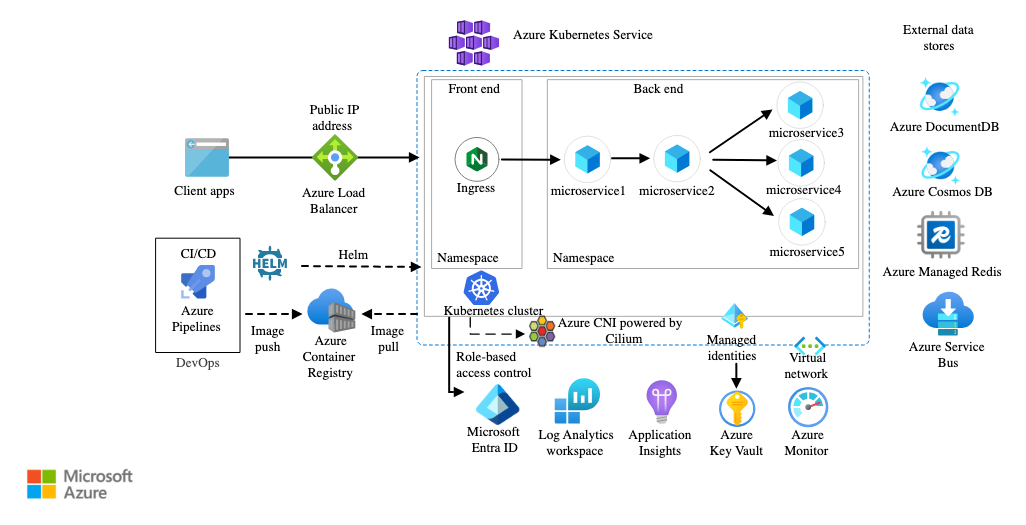
Infrastructure teams are operating in a very different world than they were just a few years ago. Modern systems are highly distributed, constantly changing, and deeply interconnected. A single user request often crosses dozens of services, clusters, and dependencies. When performance degrades, there is rarely one clear failure to fix.
Change has also become continuous. Deployments happen daily or even hourly. Infrastructure scales automatically. Dependencies evolve independently. In this environment, relying on humans to manually validate every change or respond to every signal simply does not scale.
The risk is not always a hard outage. Small latency increases, quiet configuration drift, and subtle security gaps can damage user experience long before an alert fires. Infrastructure as Code assumes correctness is established at deployment time. Modern systems require correctness to be maintained all the time.
Policy, intent, and feedback loops address this gap. They allow infrastructure to adapt to real conditions, enforce safe behavior, and correct itself before issues escalate. This shift matters now because complexity is already outpacing human response, and the teams that succeed are the ones building platforms that can handle change on their own.
The New Question Infrastructure Teams Must Ask
For years, infrastructure teams measured success by one primary question. Did we deploy it correctly? If the configuration matched the template and the pipeline turned green, the job was considered done.
That question made sense when systems were smaller, and change was rare. Today, it falls apart the moment production traffic behaves differently than expected or a dependency fails in a non-obvious way. In modern environments, correctness is not a moment in time. It is something that must be maintained continuously.
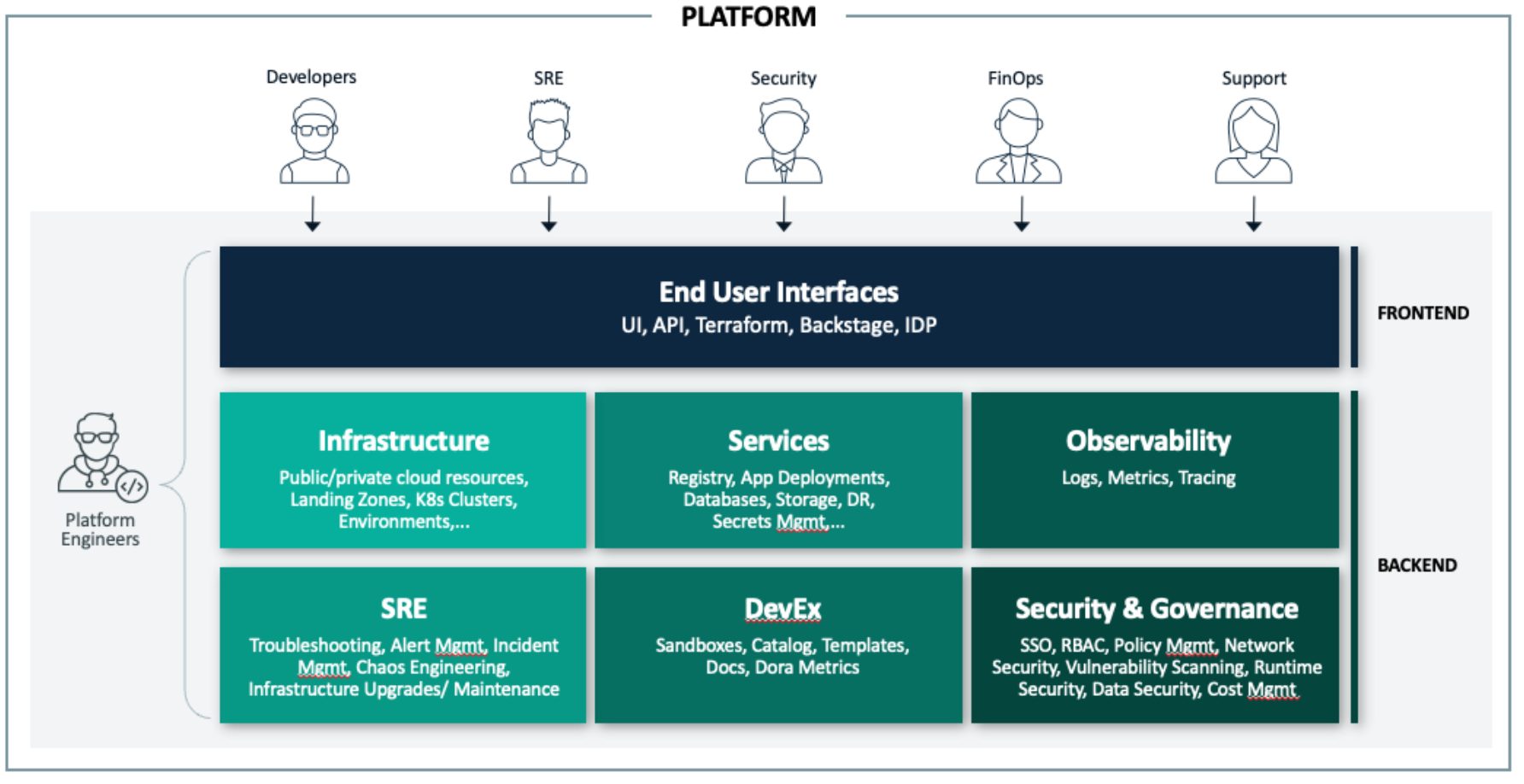
The more important question now is much simpler and much harder. Can this system keep itself correct when conditions change?
Keeping a system correct means more than staying up. It means continuing to meet user expectations even as load increases, deployments happen, nodes fail, and networks misbehave. It means understanding the difference between a harmless fluctuation and a real threat to reliability, and responding appropriately without waiting for human judgment.
This is where intent, policy, and feedback quietly work together.
Intent defines what success looks like in human terms. Policy defines the boundaries that should never be crossed. Feedback shows whether reality is drifting away from either. When these three are connected, infrastructure stops reacting blindly and starts making informed decisions.
A simple example makes this clear.
Instead of hard-coding how infrastructure should scale, teams can express what they actually care about. Availability, latency, and error rates become first-class inputs to the system.
serviceIntent:
  availabilityTarget: 99.9
  maxLatencyMs: 250
  autoRecovery:
    rollbackOnDegradation: true
This intent does not say how many replicas to run or which nodes to use. It describes the outcome the system must protect. The platform continuously compares real metrics against this intent and decides how to respond.
Policies then ensure that whatever action the system takes is safe.
policy:
  allowAutoScale: true
  blockChangesDuringPeakHours: true
  requireEncryptedTraffic: true
Now the system has both a goal and a set of guardrails. When latency increases, it can scale or rebalance workloads. When a deployment pushes latency beyond acceptable limits, it can automatically roll back. When conditions are risky, it can pause further changes entirely.
Feedback loops close the loop by validating that actions actually worked.
if latency > intent.maxLatencyMs:
    if policy.allowAutoScale:
        scale_cluster()
    elif intent.autoRecovery.rollbackOnDegradation:
        rollback_last_deploy()
This logic is simple on purpose. The power does not come from complex algorithms. It comes from continuously asking whether the system is still meeting its intent and acting when it is not.
In this model, humans are no longer the primary decision makers during incidents. They become designers of intent and policy. Instead of writing runbooks for every possible failure, teams teach the system how to judge situations on its own.
This shift also changes how success is measured. Fewer alerts are not the goal. Faster deployments are not the goal. The real measure of success is how often the system corrects itself before anyone notices there was a problem at all.
Infrastructure teams that adopt this mindset stop asking whether something was deployed correctly and start asking whether the platform can protect users under pressure. That question leads to different architectures, different tooling choices, and ultimately more resilient systems.
In modern environments, failure is inevitable. Human intervention does not have to be. The teams that thrive are the ones building infrastructure that can observe itself, reason about its own health, and take action long before a pager ever goes off.
That is the new question infrastructure teams must ask, and it is quietly redefining what reliability really means.
Conclusion: Infrastructure That Can Take Care of Itself
Infrastructure has changed, even if many of the tools have not. Systems are larger, more dynamic, and more interconnected than they were when Infrastructure as Code first became popular. In that world, simply defining resources correctly is no longer enough to keep systems reliable.
What separates resilient platforms from fragile ones is not how fast they can deploy, but how well they can protect themselves once deployed. Policy gives infrastructure boundaries. Intent gives it purpose. Feedback loops give it awareness. When these elements work together, infrastructure stops being something that engineers constantly chase and starts becoming something that quietly takes care of itself.
This shift does not remove humans from the loop. It puts them where they add the most value. Instead of reacting to alerts and manually stitching together recovery steps, teams focus on designing better systems, clearer intent, and stronger guardrails. Reliability becomes a property of the platform, not a burden on the people running it.
Infrastructure as Code was an essential milestone. But it was never the destination. The next generation of infrastructure is defined by systems that can observe, decide, and act on their own. The real question for modern teams is no longer whether infrastructure can be deployed correctly, but whether it can remain correct when the unexpected inevitably happens.
That is where modern infrastructure is headed, and it is where the most resilient platforms are already operating today.
Opinions expressed by DZone contributors are their own.
Comments