

Data Modeling: From ERwin to the Cloud
Learn in this article how data modeling has evolved from ERwin to cloud-native tools, boosting efficiency, governance, and AI-driven schema design.
Join the DZone community and get the full member experience.
Join For FreeData modeling has transformed beyond recognition. We have moved from a simple entity-relationship diagram to sophisticated cloud architectures, and honestly, it is not just about shinier technology — it is a complete rethink of how we handle data.
I learned the basics of ERwin back when it ruled the enterprise world. All industries used it, including banks, hospitals, and government agencies. The tool did wonders to standardize and document, which made CFOs and compliance officers happy [1]. The vast database designs across massive organizations could be counted on. Though I will admit, the licensing costs were brutal — especially for smaller teams who just needed basic modeling capabilities.
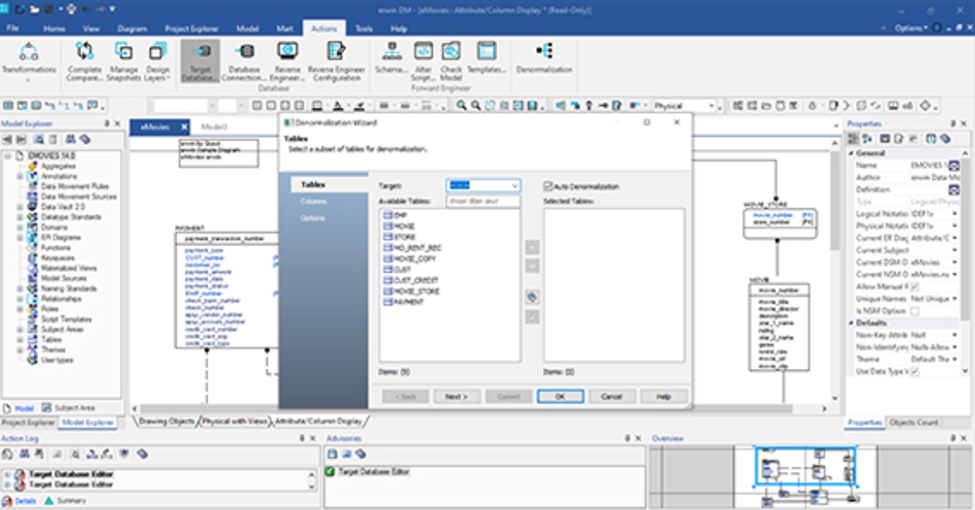
Those days feel like the past now. Tools like ERwin were good at what they were doing, but still very slow. It worked for firms because there were no other solutions present for these problems. Companies were ok spending time just to make a small change, and we are talking about 8 to 12 weeks for a moderately complex project. This includes having the requirements firsthand, doing the logical data model design, physical design, generating the scripts (used to take hours), and then having everything documented.
Here, the workflow to make a simple change, let’s say adding a new column, would go something like two to three days just to make model updates, then you generate the script along with the documentation related to it. I used to spend an entire day merging a model with another, doing a manual diff, and, on top of that, the tool would sometimes crash while running on your laptop, making you redo all the work.
Cloud platforms turned the world upside down. Let’s take an example of AWS Glue Data Catalog, where it can handle diverse data types seamlessly, opting for a less formal and often expedited process. The changes that used to take weeks of planning and execution can now be done in hours. I see a huge gain in productivity, which is not just incremental but is revolutionizing the entire process. There may be a learning curve involved with these cloud tools if you’re coming from the old ERwin world.
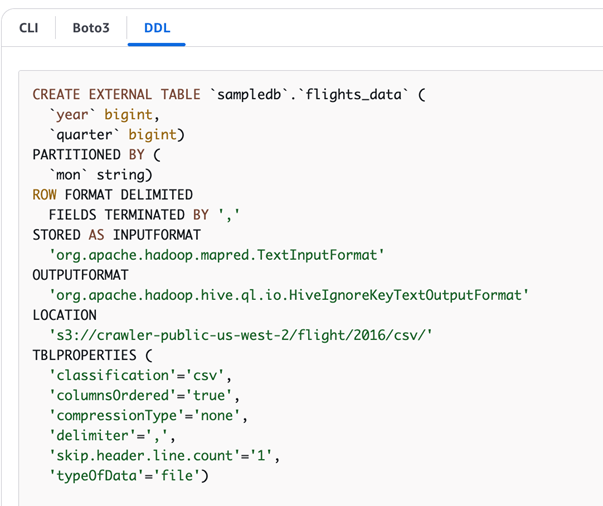
Modern data modeling extends far beyond traditional databases. Now, companies are working on ML features, stores, and IoT data pipelines, and investing in more real-time analytics engines. With this type of data stream, legacy tool simply provides the required flexibility that comes with data lakes and mesh architectures. You have fundamental limitations with the old tools to handle semi-structured data and streaming requirements. Maybe we have swung too far from the traditional discipline that ERwin enforced.
Version control represents perhaps the starkest contrast. As I mentioned before, manually doing a model diff was painstaking, and I have seen my fellow colleagues nearly cry while trying to reconcile the conflicting changes. But now, we have native integration with GIT repositories and workflows as an example. Multiple folks can now collaborate at the same time without stepping on each other’s toes. The boon of automatic conflict resolution, along with tracking the changes, comes as a standard that was a luxury dream in the ERwin era.
From a purely financial perspective, the verdict is decisive:
Traditional Method Timeline (Best-Case Scenario)
- Building and updating models: 4–8 hrs
- Creating deployment scripts: 2–4 hrs
- Approvals: 24–48 hrs
- Strategic planning with resources: 8 hrs
- System deployment in production: 4–8 hrs
Cloud approach: With automated testing doing all the heavy lifting, all it would take is an hour or so. It may vary depending on the complexity of the changes, but the time saving and speed are undeniable.
Remember, data governance, which used to be an afterthought, is becoming mission-critical. PII classifications, security controls, and compliance methodologies are baked into the platform itself. Classifications like CCPA and GDPR are all automated through built-in data lineage tracking, having the right access controls and audit mechanisms. You don’t have to use separate tools for this and manual processes if you were using them before. Though let's be honest, people accustomed to older compliance methods still feel more confident verifying it with printed reports.
With the advancements towards agentic AI, the trajectory is surely leaning in that direction now. By that I mean, we see new optimized emerging platforms that analyze patterns and can themselves suggest what should be the optimal schema, which sometimes may be overlooked by the engineers. How do they do it? By learning from data access patterns, we are able to propose data structures that are optimal for both maintainability and performance. If you ask me, I am OK using agentic AI to propose the changes, but I would still verify on my own. The suggestions are getting surprisingly good and fast.
In my opinion, right now, organizations are at a critical swing point. To measure the success metrics, we need to consider the full picture. It should not be just the technical performance, but we also need to make sure how fast the teams can adopt and deliver, learn and innovate, and respond to changing business needs rapidly.
Success demands both cultural and technological transformation. Data modeling has evolved from a specialized, siloed function to an integral component of broader data strategy. Modern teams blend data architects, engineers, analysts, and business stakeholders in collaborative workflows. The old model of throwing requirements over the wall to a modeling team is obsolete. Good riddance, honestly.
Training becomes paramount. Teams need hands-on experience with cloud platforms and must reconceptualize modeling within end-to-end data pipelines rather than isolated database design exercises. The hardest part isn't learning the new tools — it's unlearning the old habits.
Why talk about habits? The landscape is changing fast. We now have Graph databases, for example, that can handle complex relationships, which we can’t, or let’s say most traditional databases struggle with. You have Temporal data models that work with time-series data in a natural way. With growing machine learning workloads, we can now have data models that specialize in creating models apt for training and driving inference from them. Sometimes, it feels like I am hearing a new "revolutionary" database technology every month, but again, the core principles remain surprisingly consistent.
The scale of things now is amplifying every challenge with it. As the data volume grows in this digital age, our modeling decisions that were more academic in the past are now part of performance and cost implications. I think efficiency is no longer optional. I think gone are the days of over-engineering (my experience), where a simple model change cost us a lot of budget because we didn't consider actual query behavior.
With this architectural evolution, the transition currently represents more than just a tool migration. It is not just about storing the data, and the organizations that are embracing cloud-native products are able to position themselves to extract genuine value from data as well. The companies that adapt will thrive. Companies that are sticking to old legacy systems will find themselves behind the curve while the competitors move at cloud speed.
The writing is on the wall. Traditional tools are of the past and have served their purpose, but I think the future of any company belongs to cloud native platforms and solutions that can match the pace and scale of modern business. Everyone is trying to reinvent companies like ERwin for the cloud era as well, though I am not sure how quickly it can be done.
References
- Quest Software. (2023). ERwin Data Modeler: Enterprise data modeling solutions.
- Amazon Web Services. (2024). AWS Glue: Simplify data integration and ETL processes.AWS Glue: Simplify data integration and ETL processes
Opinions expressed by DZone contributors are their own.
Comments