

FeatureFlag 101
This article introduces the usage of feature flags in software development and explains the importance and ways of cleaning up outdated feature flags.
 ·
·
Join the DZone community and get the full member experience.
Join For FreeIn the dynamic landscape of modern software applications, catering to millions of users is a norm, and multiple teams work on various components concurrently. With the Agile development approach, new features are continuously onboarded to enhance application capabilities. However, releasing these features to all users simultaneously can lead to potential issues, such as exposing buggy features, performance regressions, and user dissatisfaction.
The Role of Feature Flags
To mitigate these risks and ensure a smoother rollout, the use of feature flags has become instrumental. Feature flags, also known as feature toggles, act as conditional switches that enable or disable specific functionality in an application without requiring redeployment. By serving as gatekeepers, feature flags allow developers to grant access to new features gradually, targeting specific user groups.
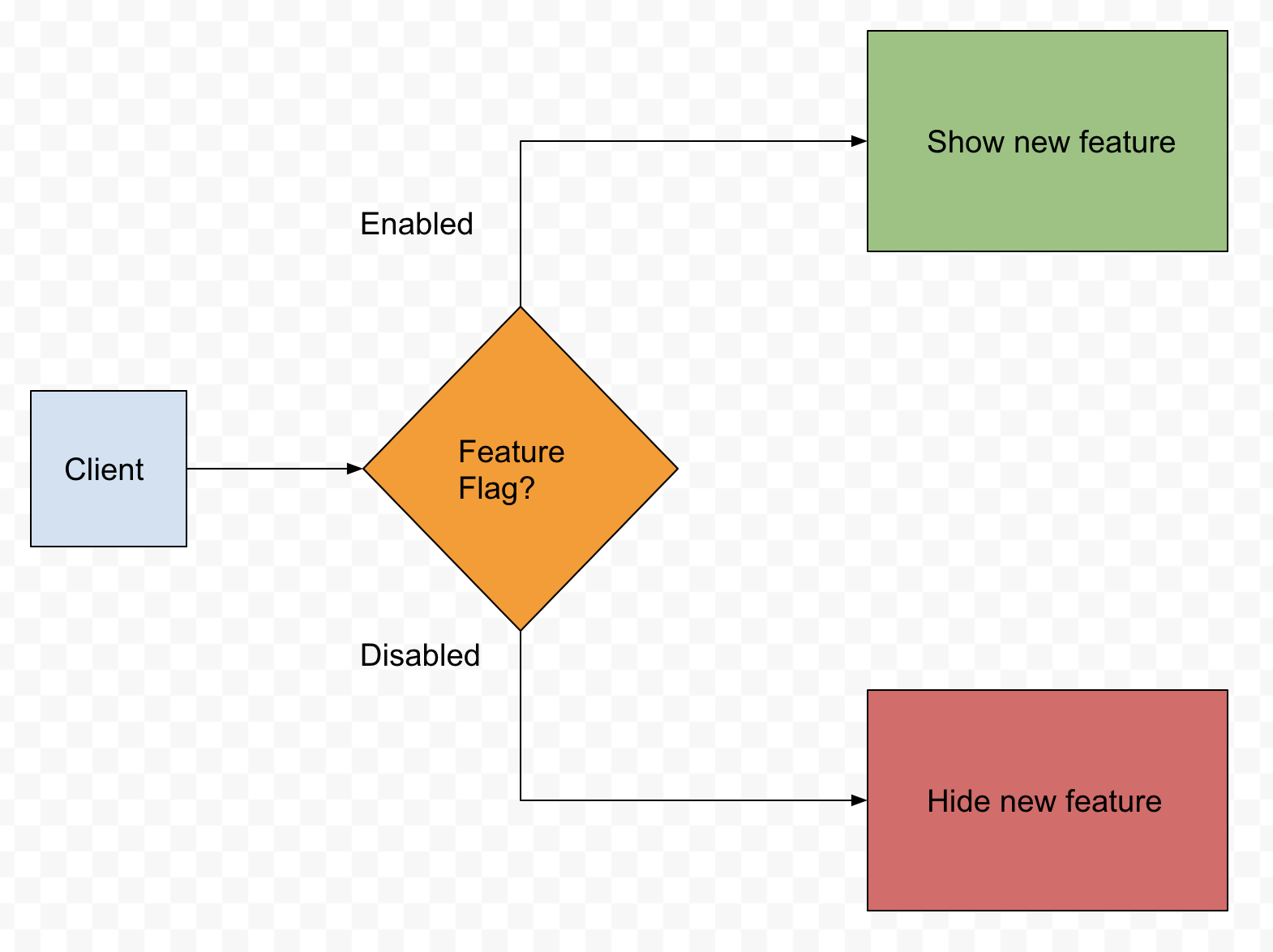
Gradual Feature Rollout
Tech companies often adopt a phased approach to launch new features using feature flags. The rollout can occur in the following stages:
- Team Member Ramps: The new feature is initially made accessible to a select group of developers and product managers working on it, enabling early feedback and bug detection.
- Company Ramp: Subsequently, the feature is expanded to all company employees, allowing a broader audience to experience and evaluate it.
- Real Members: Finally, the new feature is gradually exposed to all application users over time.
Benefits of Feature Flags
Utilizing feature flags offers numerous advantages, including:
- Risk Reduction: Selective feature rollout mitigates the risk of exposing buggy features to all users.
- Performance Monitoring: Monitoring performance metrics during the onboarding process ensures that new features do not compromise application performance.
- A/B Testing: Feature flags facilitate A/B testing, enabling developers to compare the impact of new features against existing ones before full deployment.
- Graceful Rollback: If issues arise, feature flags provide the flexibility to disable the feature promptly and revert to the previous state.
As software projects evolve, unused and outdated feature flags can accumulate in the codebase, leading to increased complexity and reduced code readability. Often, after launching a feature to 100% of users, feature flags are not cleaned up due to developer priorities or inertia.
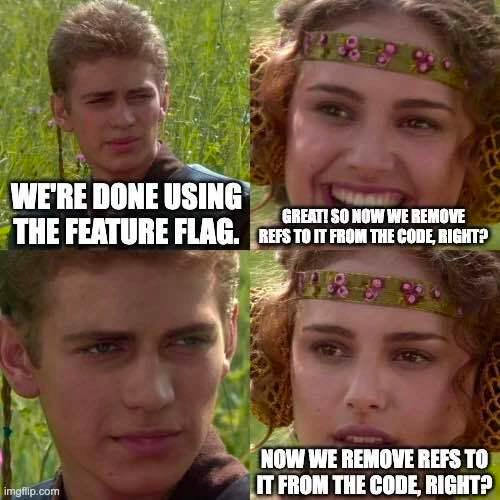
Best Practices for Feature Flag Cleanup
To maintain a clean and efficient codebase, developers should develop a habit of manually cleaning up feature flags once a feature is fully rolled out. Additionally, automated feature flag removal tools, such as Uber Piranha, Unleash, Toggles, and Feature Monkey, can streamline the cleanup process. Teams can also develop custom automated flag removal techniques using code refactoring libraries like OpenRewrite.
Conclusion
Feature flags have revolutionized software development, empowering teams to release and manage features safely and incrementally. However, regular feature flag cleanup, whether manual or automated, is essential to ensure a clean and efficient codebase, reducing technical debt and streamlining debugging for new team members.
Opinions expressed by DZone contributors are their own.
Comments