

5 Ways Microsoft’s MCP Protocol Will Transform Software Testing Forever
Microsoft's MCP Protocol uses AI to automate and transform software testing, generating tests, fixing errors, and monitoring in real time. Adapt or fall behind.
Join the DZone community and get the full member experience.
Join For FreeThe AI Testing Revolution
Microsoft’s Model Context Protocol (MCP) signifies a paradigm shift in how AI agents engage with applications and services.
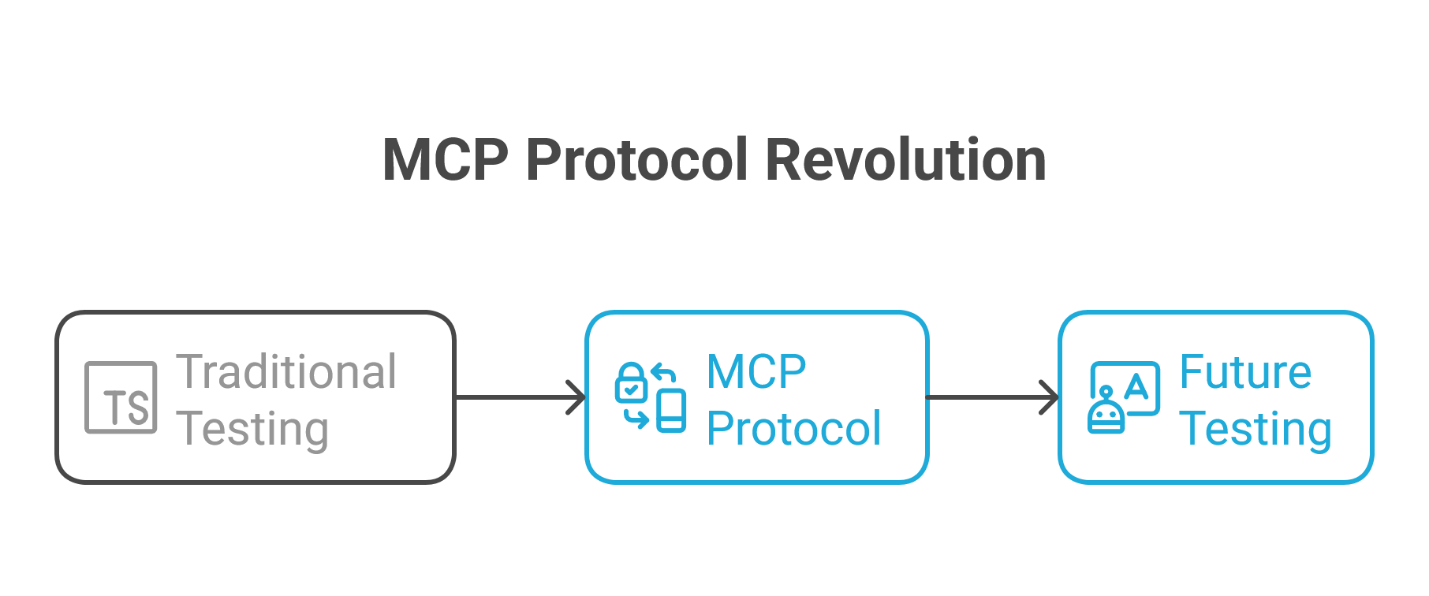
Recently announced as a foundational component of Windows 11’s “agentic OS” at Microsoft Build 2025, MCP offers a standardized framework for AI agents to connect with native applications, enabling seamless orchestration across local and remote services (Microsoft, 2025a). Much like how HTTP revolutionized web communication, MCP is set to become the universal standard for AI agent interactions, fundamentally transforming software testing methodologies and practices.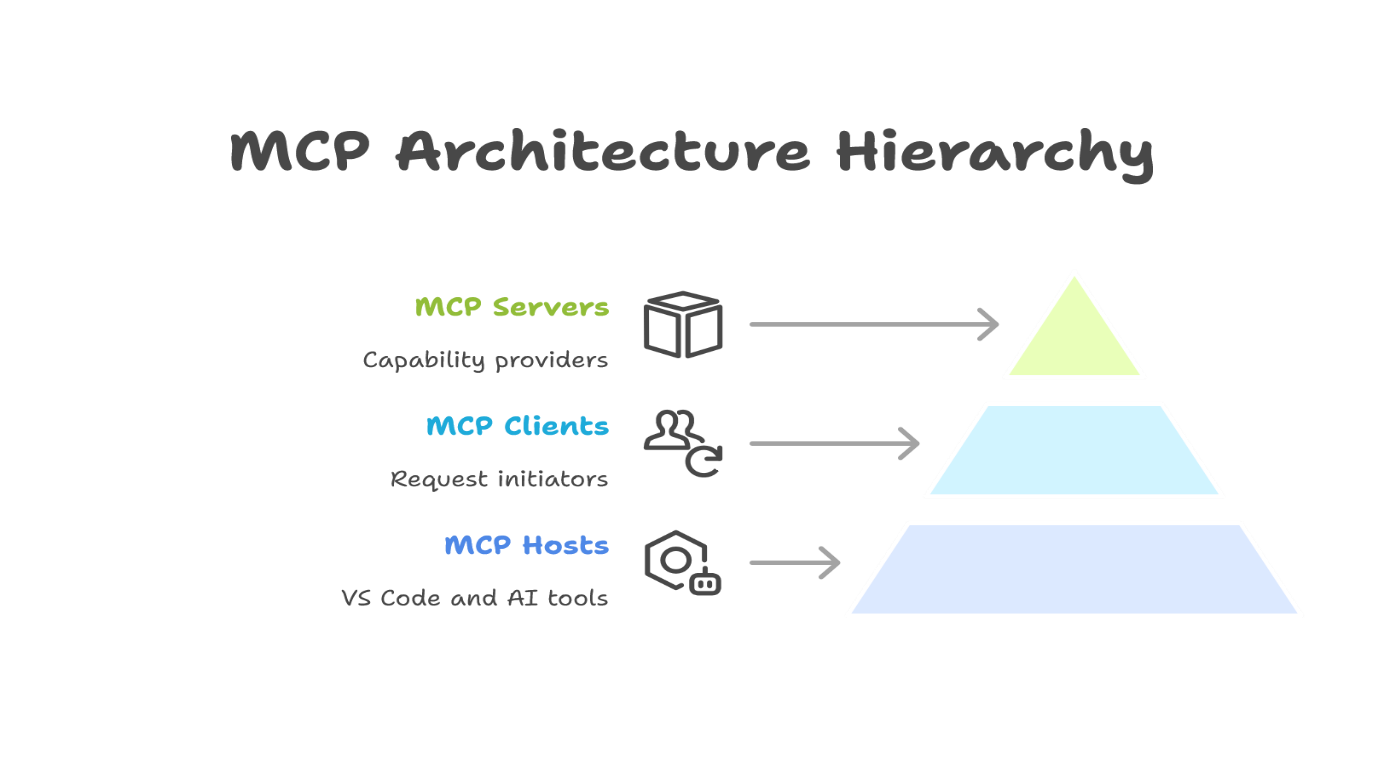
Five Transformative Changes That Will Truly Shake Up QA Engineering
1. AI Agents Will Automate Test Case Generation and Maintenance
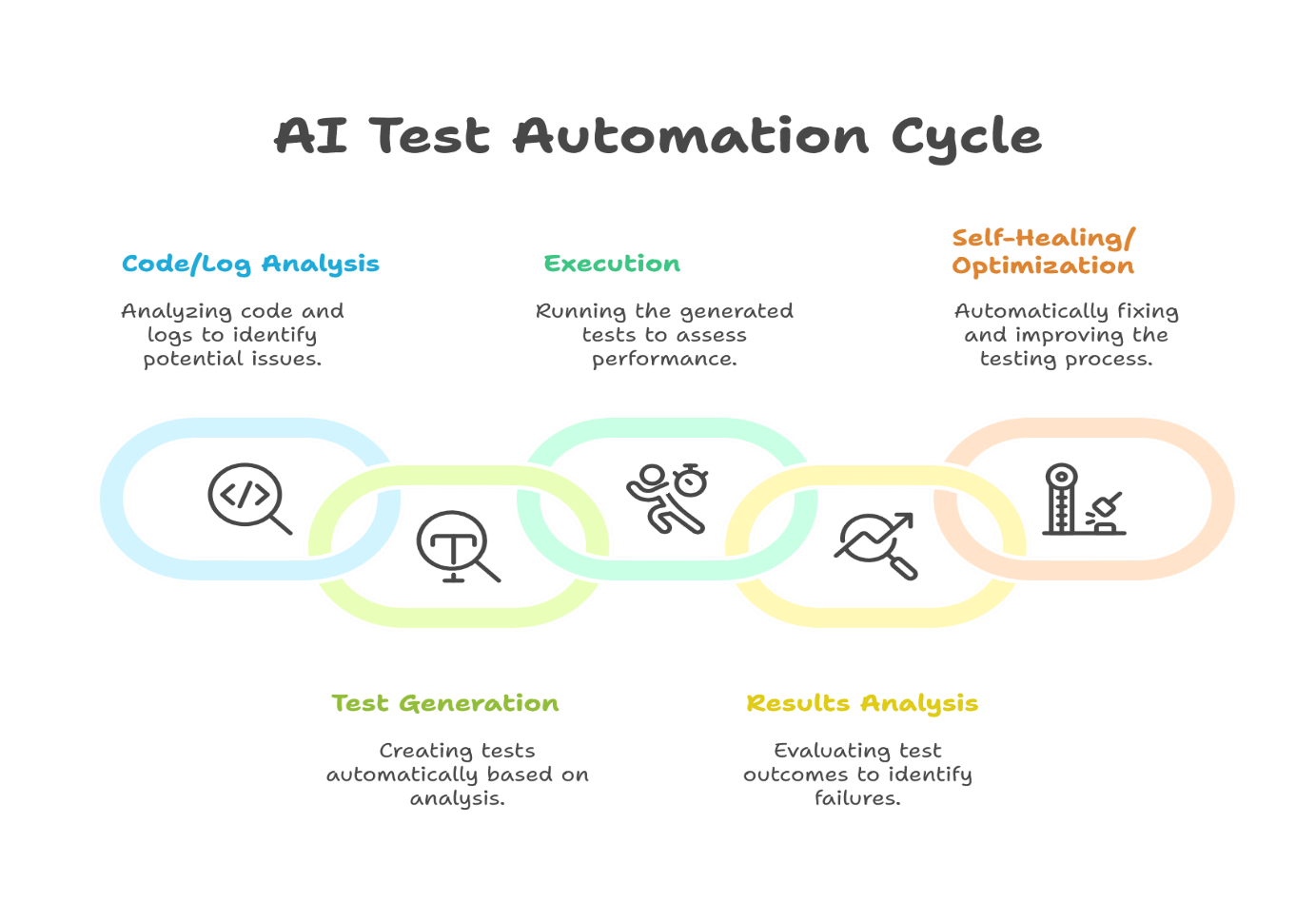
The Change: MCP enables AI agents to create, execute, and update tests autonomously by analyzing code, logs, and user behavior trends independently of human involvement.
Why It Matters: This automation drastically reduces manual effort and accelerates CI/CD pipelines, allowing development teams to focus on innovation rather than repetitive testing tasks.
Evidence: Microsoft’s integration of MCP into Windows 11 creates a foundation for AI-driven testing tools that can analyze application behavior and generate comprehensive test suites (Microsoft, 2025b). Gartner predicts that by 2026, 30% of enterprises will automate more than half of their testing activities, up from under 10% in 2023 (Gartner, 2024). Recent academic research confirms that organizations can significantly reduce the test coverage, effort, and cost of manual testing while increasing software quality by implementing AI-based tools (Ali, 2025).
Future Implications: QA engineers will evolve from writing tests to curating and refining AI-generated ones. Hence, saving time will help QA engineers focus more on strategic test design than implementation details.
2. Self-Healing Tests Are Becoming the New Norm
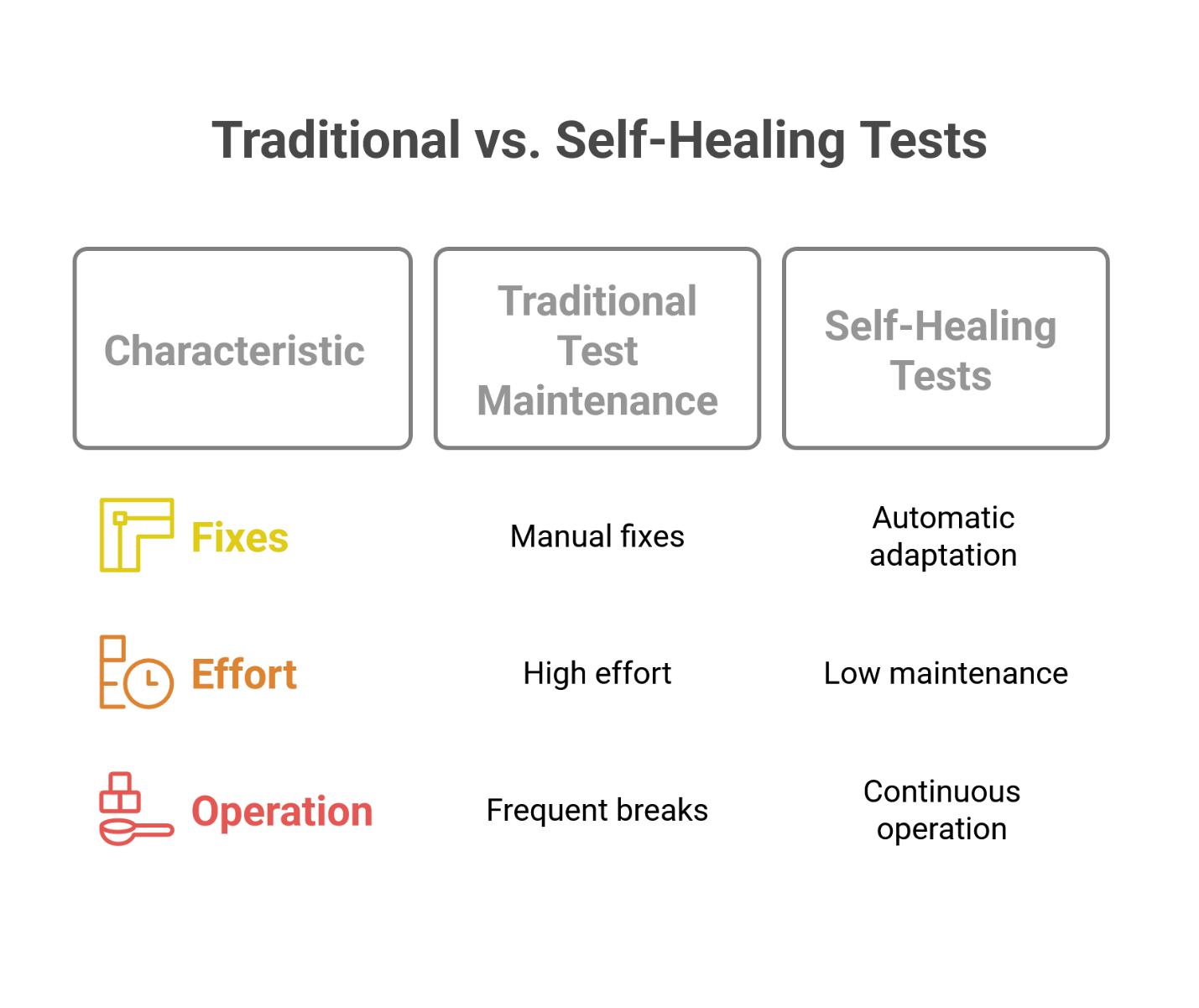
The Change: AI agents leveraging MCP can detect UI/API changes and automatically repair broken locators or test scripts. This thereby eliminates the maintenance burden associated with traditional test automation.
Why It Matters: This capability eliminates flaky tests and significantly reduces maintenance overhead, a longstanding challenge in test automation.
Evidence: According to QualiZeal (2024), “By 2025, over 80% of test automation frameworks will incorporate AI-based self-healing capabilities, leading to a more resilient and responsive testing ecosystem.” Microsoft’s Orchestrator agent, part of the MCP ecosystem, demonstrates this capability by adapting workflows dynamically when interfaces change.
Future Implications: Testing teams will spend less time debugging and more time on strategic test coverage and quality improvements.
3. Shift From Scripted to Autonomous, Goal-Based Testing
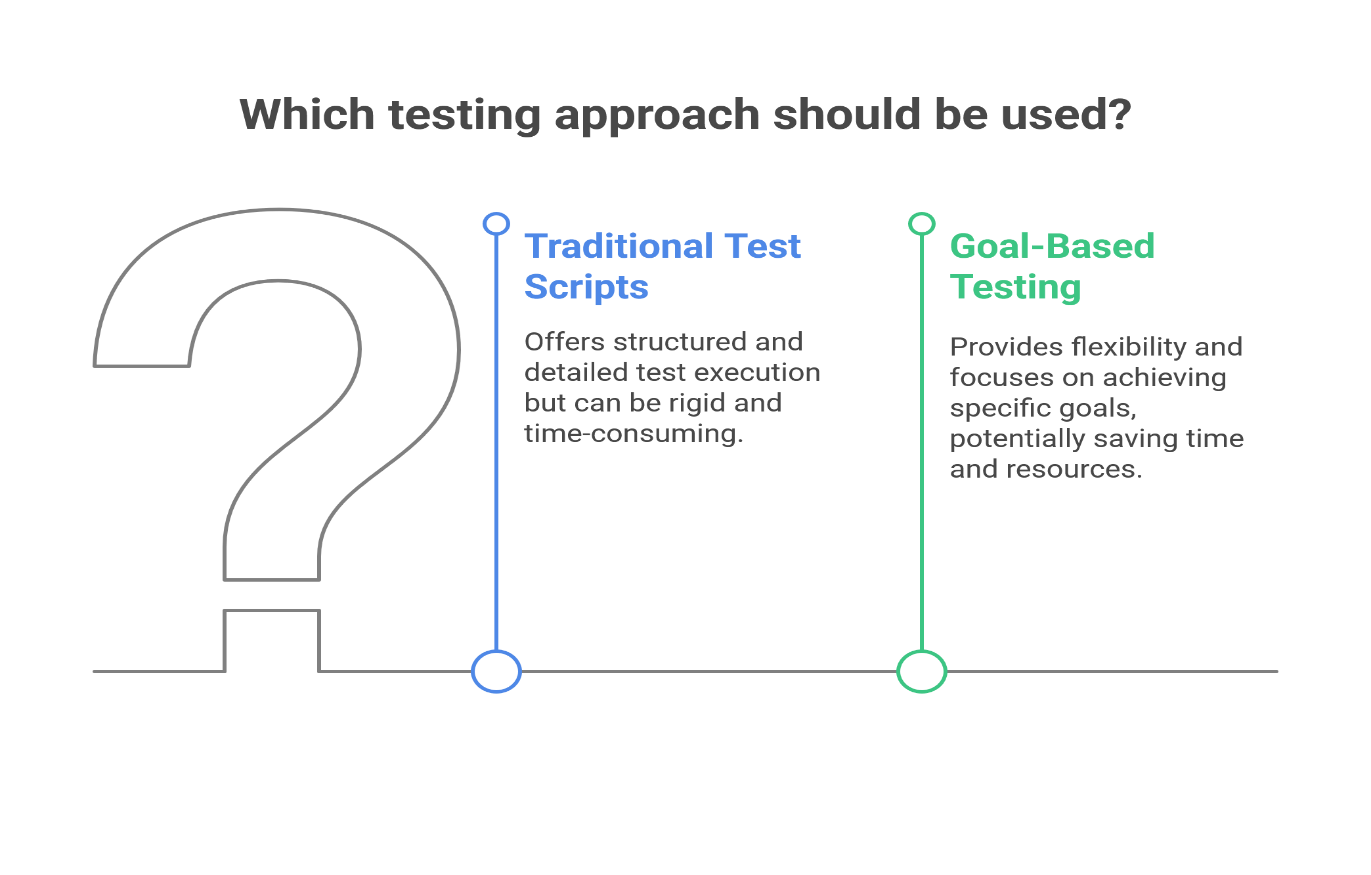
The Change: Rather than relying on predefined scripts, MCP-powered AI agents can intuitively understand test scenarios directly from natural language requirements. This creates a more flexible and welcoming testing approach that adapts to our needs!
Why It Matters: This shift naturally aligns with Agile and DevOps methodologies. Hence, it enables faster testing cycles while covering edge cases that human testers might miss.
Evidence: Microsoft’s “AI for DevOps” initiatives demonstrate how MCP-enabled agents can interpret user stories and automatically generate appropriate test scenarios (Microsoft, 2025a). This approach is projected to reduce test creation time by up to 60% while improving coverage. Ali (2025) further validates this trend, noting that natural language processing is becoming integral to enhancing the software testing life cycle.
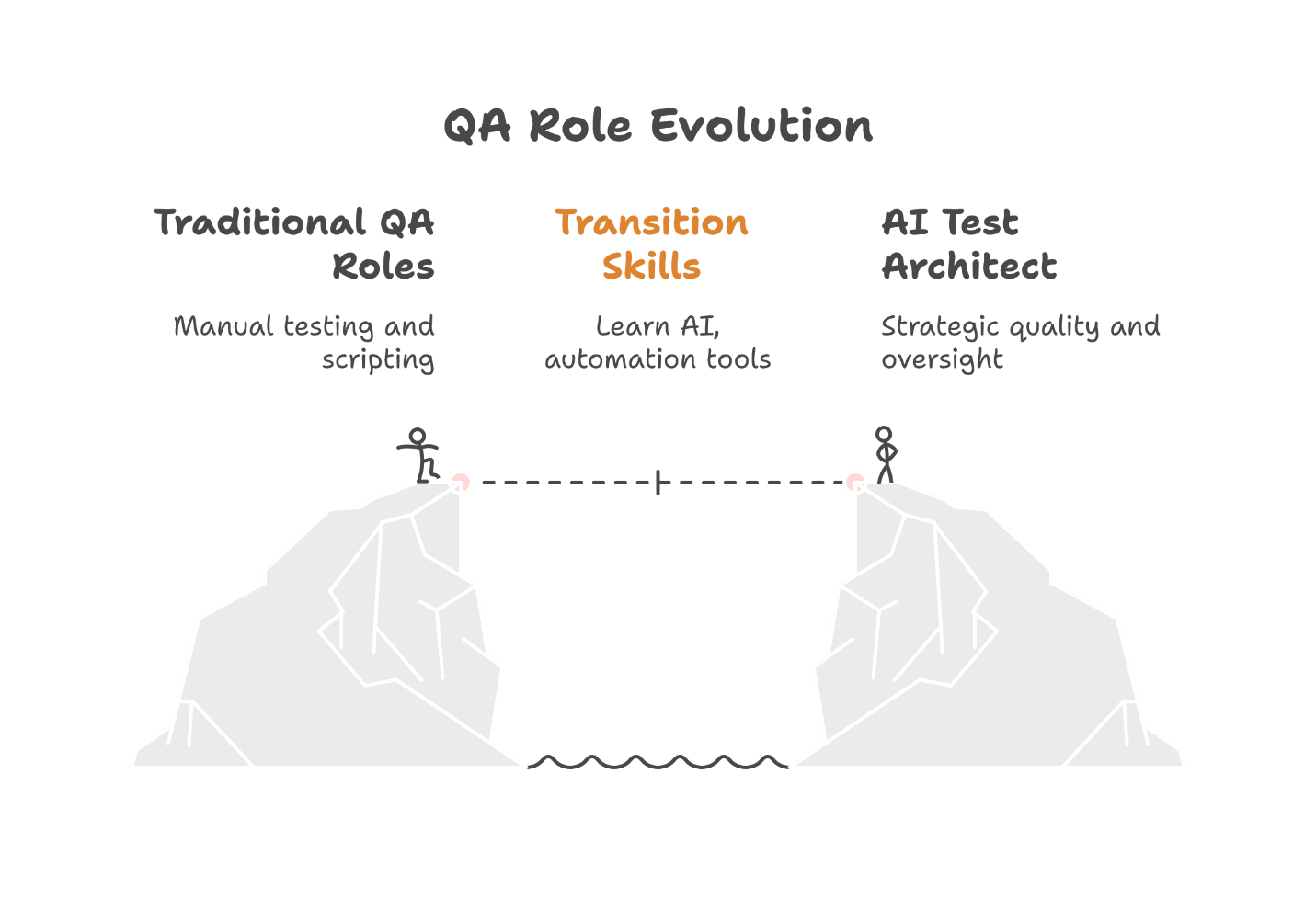
Future Implications: QA roles will evolve into “AI Test Architects” who define testing goals and strategies rather than detailed test steps.
4. Real-Time, Continuous Validation in Production
The Change: MCP enables AI agents to continuously monitor live systems, detect anomalies, and trigger tests on the fly, thus creating a continuous feedback loop between production and testing.
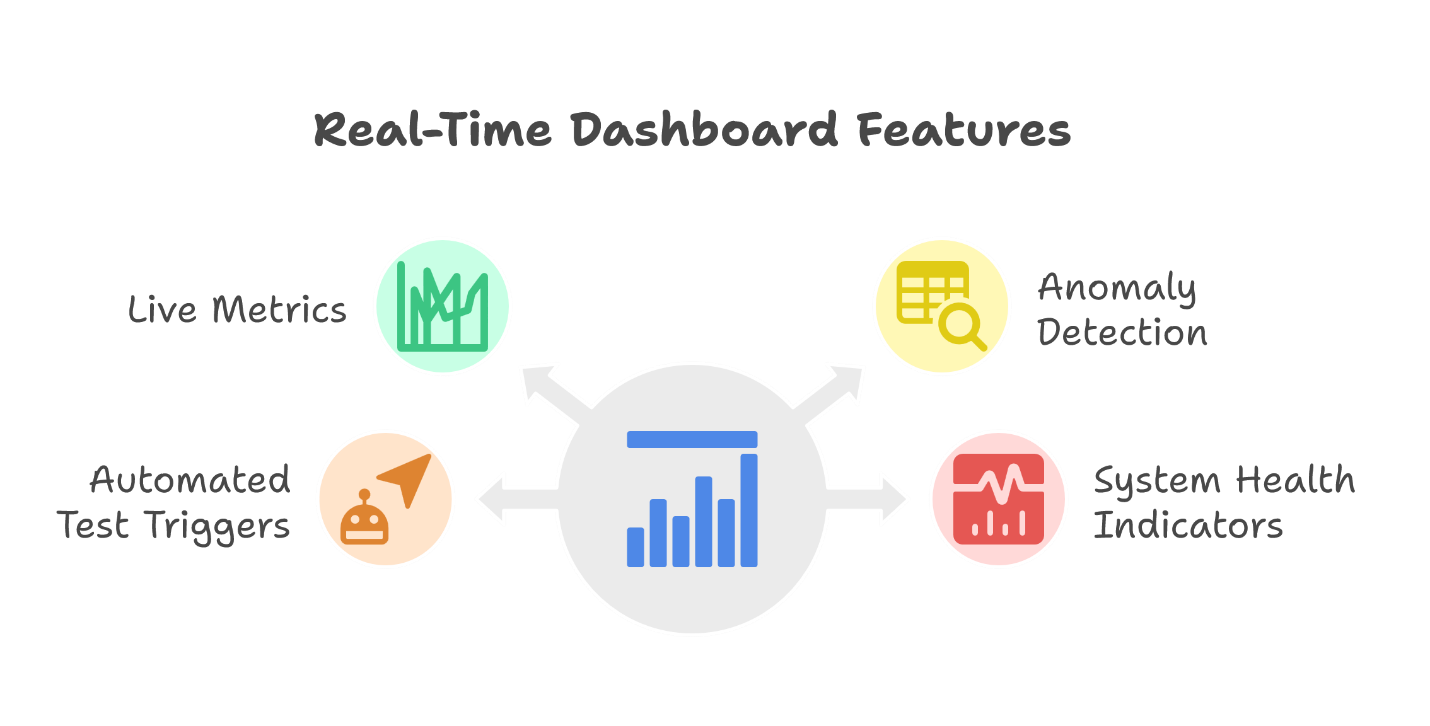
Why It Matters: This capability catches bugs before users do, enabling zero-downtime deployments critical for modern cloud-native applications.
Evidence: Microsoft’s Azure AIOps integrations with MCP illustrate how continuous monitoring and testing can be implemented in production environments (Microsoft, 2025b). By 2025, 70% of QA teams will utilize real-time analytics to monitor and refine test automation strategies (QualiZeal, 2024).
Future Implications: Testing evolves into a crucial component of runtime operations, rather than merely a pre-release task. Therefore, it helps blur the distinction between testing and monitoring.
5. New Security Risks and the Role of QA in AI Safety
The Change: MCP’s agent interactions introduce new risks, such as prompt injection, data leaks, or rogue AI behavior, that must be addressed through specialized testing approaches.
Why It Matters: QA teams must ensure AI agents do not compromise security or ethics, adding a new dimension to software testing.
Evidence: Microsoft has identified various emerging threat vectors in MCP implementations, including Cross-Prompt Injection (XPIA), authentication gaps, and tool poisoning (Microsoft, 2025). OWASP’s Top 10 for LLM Applications also emphasizes hallucination risks and other AI-specific vulnerabilities requiring specialized testing.
Future Implications: QA engineers must develop AI security testing skills, including adversarial testing and bias detection, to ensure safe deployment of agentic systems.
Final Thoughts: The Future of QA in an MCP World
The integration of MCP into Windows and other platforms signals a seismic shift in software testing. While QA will not disappear, it will evolve dramatically from test execution to AI supervision. Testing professionals must upskill in AI testing methodologies, MCP protocols, and agentic systems to stay relevant in this new landscape.
Microsoft’s Vice President of Enterprise and OS Security, David Weston, noted, “The MCP standard and AI-related security is a fast-moving field of research” (Microsoft, 2025a). The question for testing professionals is straightforward: Will you adapt to the AI testing revolution — or be left behind?
Opinions expressed by DZone contributors are their own.
Comments