

The QA Paradox: To Save Artificial Intelligence, We Must Stop Blindly Trusting Data—And Start Trusting Human Judgment
QA must evolve into AI’s ethical compass—data reveals facts, but only humans can judge fairness, context, and what should or shouldn’t be built.
Join the DZone community and get the full member experience.
Join For FreeArtificial Intelligence is undoubtedly driving a generational shift in our current society. However, excessive reliance on data can threaten its credibility and introduce risks. Generative AI models produce convincingly erroneous information (Farid, 2024; NewsGuard, 2025), while biased algorithms perpetuate and amplify societal inequalities (AIMultiple, 2024; UN Women, 2025). This reliance on data—AI’s greatest strength—becomes its critical vulnerability. A flawed, incomplete, or unrepresentative dataset reflecting our diverse world adds further complexity to AI.
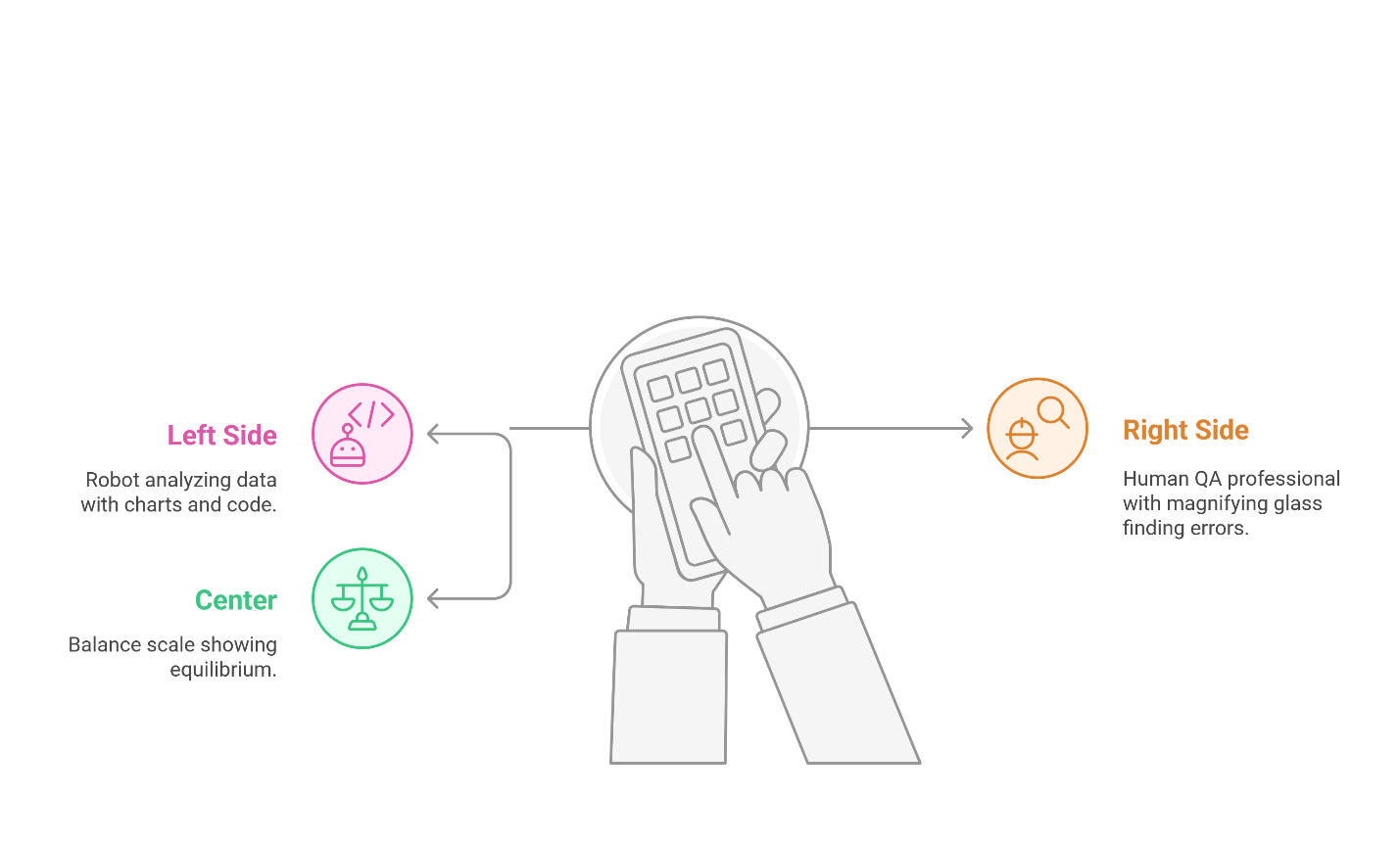
We need a fundamental shift in quality assurance (QA) approaches to extract AI's transformative potential while mitigating its inherent risks. Implicit trust in data-driven outputs is no longer tenable. Human QA professionals’ nuanced, contextual, and ethical judgment must be elevated as an essential corrective. This article advocates for rebalancing the equation: augmenting data-driven insights with irreplaceable human judgment to ensure AI serves humanity equitably and responsibly.
The Data Delusion: Why AI Cannot Survive on Numbers Alone
AI’s Data-Driven Strengths
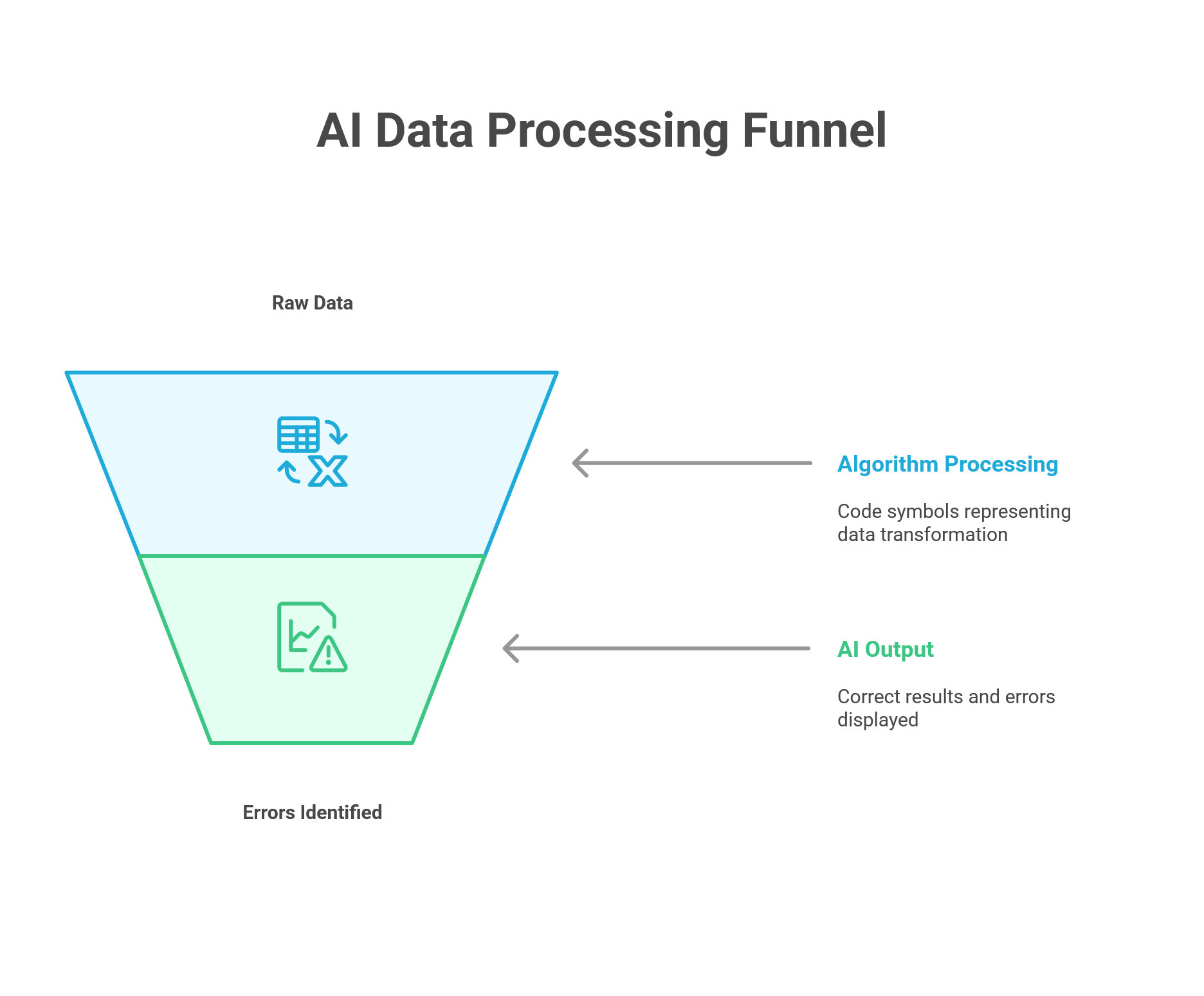
Modern AI relies on vast datasets and advanced machine learning algorithms (International Business Machines, 2024), achieving remarkable successes across various domains. In medical diagnostics, AI systems accurately analyze complex imagery, assisting in early disease detection and potentially enhancing patient outcomes (American Medical Association, 2025). These accomplishments demonstrate the power of data-driven approaches when properly implemented and quality-assured.
The Hidden Vulnerabilities
While data fuels AI’s power, its limitations—biases, blind spots, and amorality—reveal why QA oversight is non-negotiable. AI systems inherit and amplify biases in their training data, resulting in discriminatory outcomes with severe consequences. Documented racial disparities in facial recognition technologies illustrate this problem (Policy Options, 2024), where systems perform significantly worse on darker-skinned individuals due to underrepresentation in training datasets.
AI also exhibits “context blindness,” struggling to interpret nuanced human communication such as sarcasm, irony, or culturally specific references (Nature Publishing Group, 2025; Propio Language Services, 2024). For example, AI translation systems often mistranslate idioms or cultural expressions, which can potentially lead to diplomatic incidents or business misunderstandings—issues that robust QA testing protocols can help identify and mitigate.
The Ethical Vacuum
Raw data operates without moral reasoning or the capacity to consider broader societal implications (National Center for Biotechnology Information, 2025). When an AI system optimizes for profit or efficiency without ethical constraints, it may recommend actions that are technically correct but morally questionable, such as denying loans to historically marginalized communities based purely on statistical correlations (Issues.org, 2024).
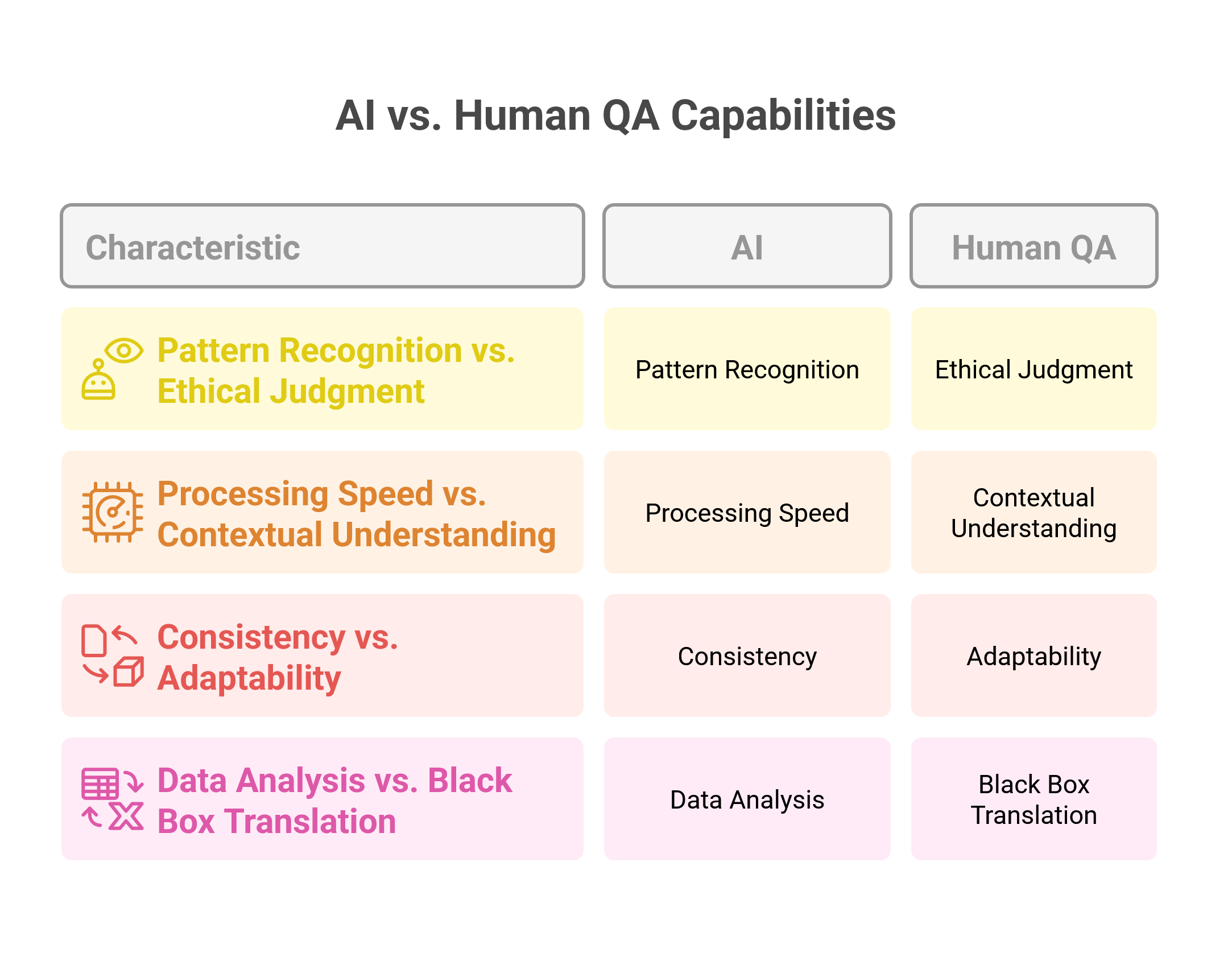
Quality assurance teams that prioritize quantitative metrics, such as processing speed and predictive accuracy, without emphasizing qualitative human judgment and ethical scrutiny, risk falling into a ‘data trap’ (Smith & Doe, 2025). This overemphasis on the quantitative perpetuates flaws and undermines AI’s potential and public trust. QA professionals must expand their traditional role to become ethical gatekeepers.
The Human Edge: What Data Cannot Do
Ethical Guardians
Human intelligence contributes capabilities that data, in its current form, cannot replicate. QA professionals serve as crucial ethical guardians, uniquely positioned to assess fairness, societal impact, and potential unintended consequences of AI systems. This role was underscored when human QA oversight identified and rectified gender bias in Amazon’s AI-driven recruiting tool, which had systematically disadvantaged female applicants by learning from historically male-dominated hiring patterns (Dastin, 2018).
Contextual Intelligence
QA experts possess profound contextual intelligence, enabling them to interpret ambiguity, demonstrate empathy, and navigate real-world complexities that often elude algorithmic comprehension. This is particularly evident in content moderation, where human judgment is vital for balancing free speech with online safety, understanding subtle cultural contexts, and identifying sophisticated, harmful content that AI might overlook (Hertie School, 2025).
Bridging the Black Box
Quality assurance professionals demonstrate superior adaptability in handling “edge cases” that fall outside AI’s training data. In autonomous vehicle development, human QA engineers and testers devise strategies for unpredictable environmental conditions, such as adverse weather or unusual road incidents, that confound purely data-driven systems (Tenyks, 2023; Akridata, 2024).
QA experts also bridge AI’s “black box” intelligibility gap, translating opaque decisions into understandable insights, fostering trust, enabling informed responses, and ensuring accountability. This translation function is essential for stakeholder acceptance and regulatory compliance.
Critics argue human QA involvement stifles scalability and innovation, but history shows the opposite: unchecked AI risks costly failures, from discriminatory loans to fatal misdiagnoses. Documented instances where vigilant QA oversight prevented significant operational errors, financial losses, or ethical breaches underscore its value as a safeguard for responsible AI advancement (Gartner, Inc., 2023).
Data computes; QA comprehends.
Case Studies: When QA Saved AI from Itself
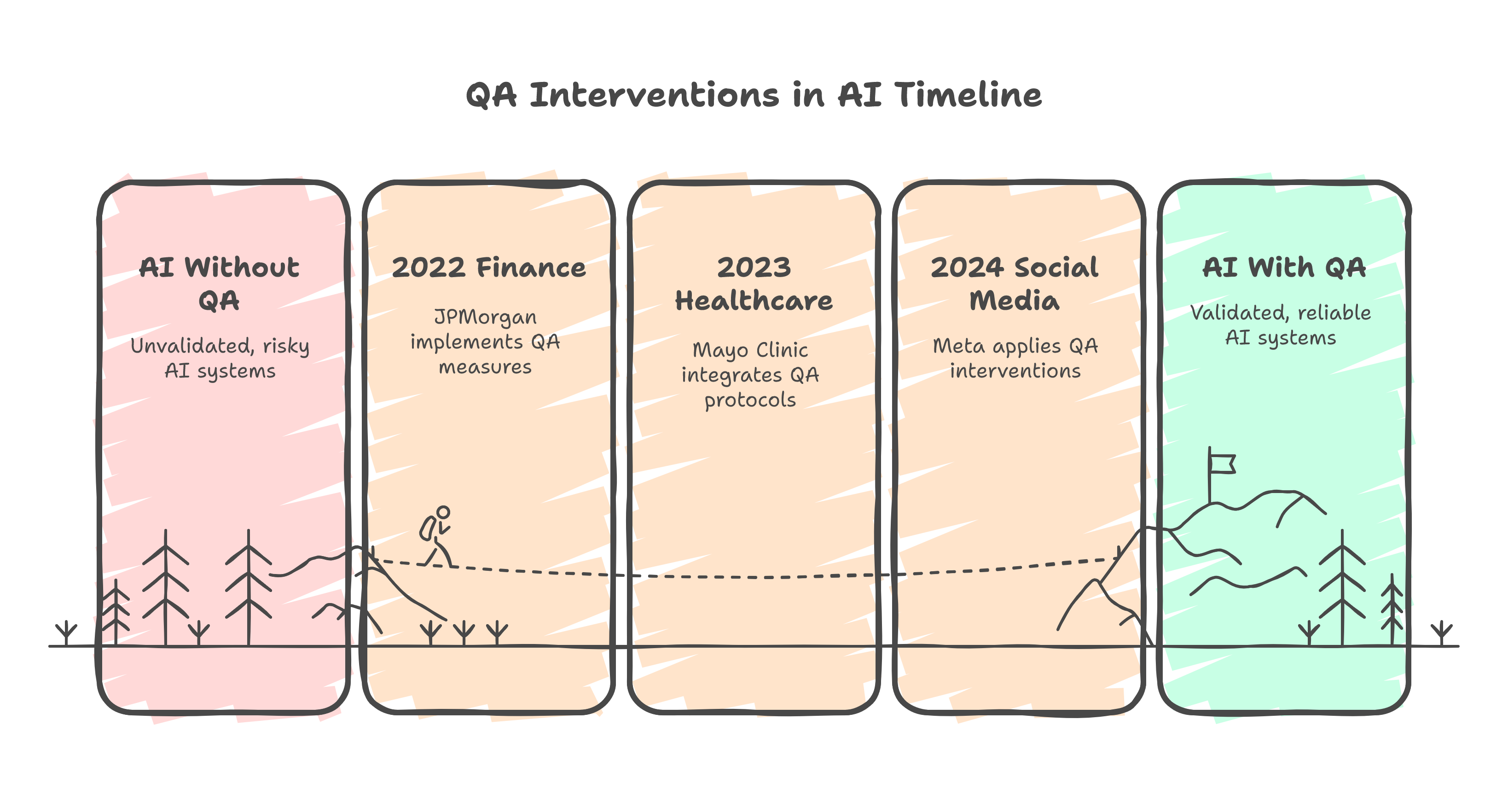
The vital role of quality assurance in mitigating AI risks is demonstrated in compelling real-world cases where human QA intervention has prevented harm or rectified algorithmic failings.
In 2023, QA specialists working with radiologists at the Mayo Clinic identified and corrected an AI diagnostic model that systematically misdiagnosed rare cancers in patients from underrepresented demographic groups. The model had been trained primarily on data from majority populations, creating dangerous blind spots that human QA testing recognized before patient harm occurred. This intervention saved lives and highlighted the importance of diverse training data and human verification in high-stakes medical applications.
In 2022, JPMorgan Chase’s QA and ethics review board halted the deployment of an AI loan-approval system after auditors discovered it disadvantaged minority applicants, despite not explicitly considering race as a factor. The system had learned patterns from historical lending data that reflected decades of discriminatory practices. Human QA judgment intervened to ensure fairer access to financial services, demonstrating how quality assurance can break cycles of algorithmic discrimination.
Social media platforms like Meta acknowledge the limitations of AI in content moderation. Meta reports that human QA moderators correct AI’s errors in approximately 40% of flagged hate speech cases (Meta, 2024). This hybrid approach combines AI’s scale with QA moderators’ nuanced interpretation of context, cultural subtleties, and intent, creating safer online environments than either approach could achieve alone.
The Hybrid Future: Balancing Data and Humanity in QA
The future of AI quality assurance is not human versus machine—It is all about harmony. A hybrid QA approach combines data-driven automation with human expertise throughout the AI lifecycle.
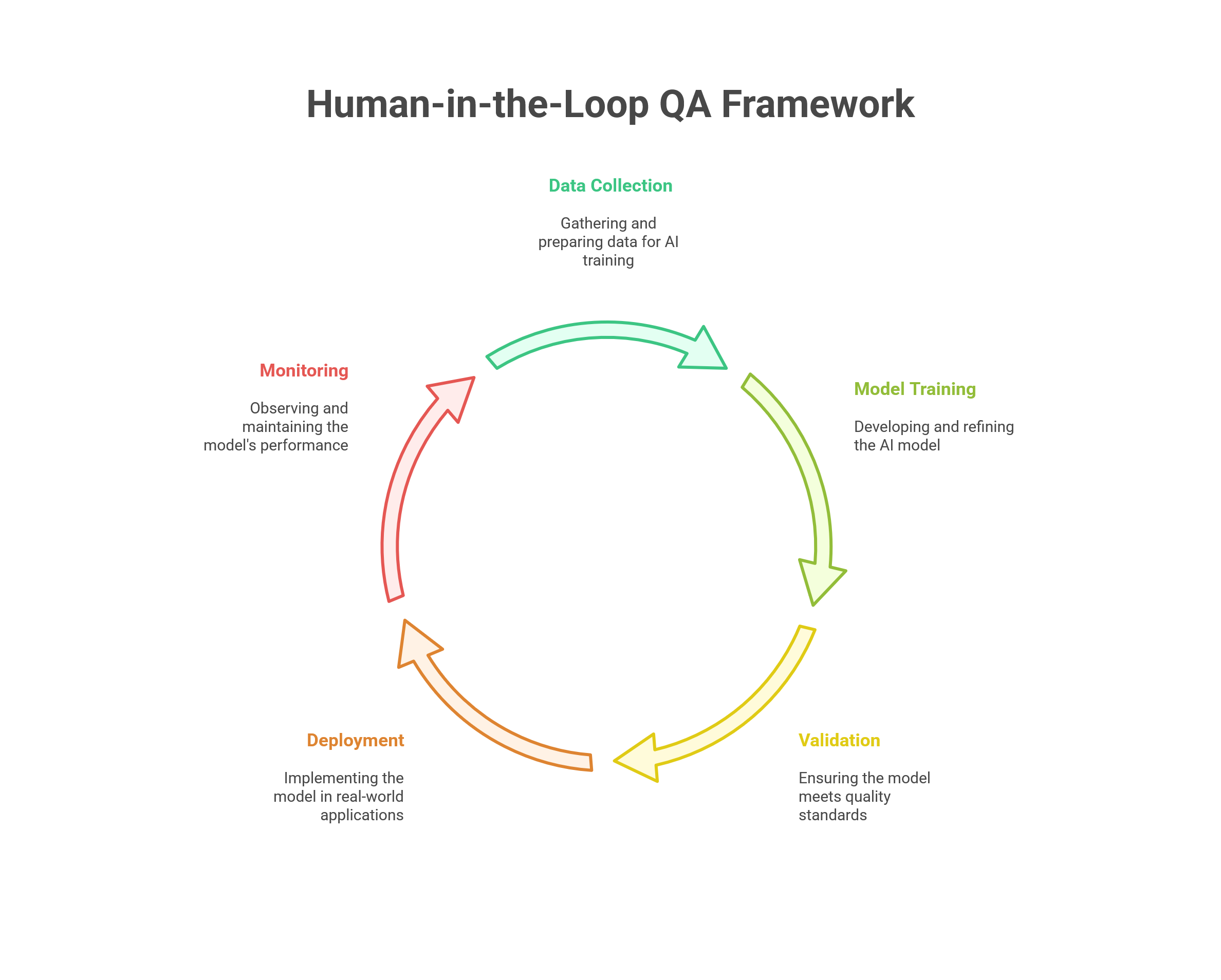
This vision translates into robust human-in-the-loop (HITL) QA systems with critical human checkpoints from initial model training and validation through deployment and continuous monitoring (Smith & Doe, 2025). The European Union’s AI Act mandates human QA oversight for high-risk systems, while IEEE’s Ethically Aligned Design principles emphasize transparency and accountability in AI development (European Commission, 2021).
The company must prioritize building a diverse and multidisciplinary QA team. The notion that only data scientists and engineers are needed must be reframed properly. Hence, the path forward is to include ethicists, psychologists, sociologists, domain experts, and individuals from varied demographic backgrounds. This diversity ensures a comprehensive review that identifies potential biases, unintended societal impacts, and ethical considerations that a homogeneous team might miss.
Collaborative QA platforms enable individuals to audit AI in real time, enhancing efficiency and transparency in quality assurance processes. These tools foster a dynamic relationship between human QA reviewers and AI systems, resulting in more robust, reliable, and ethically sound applications that serve humanity’s best interests.
Final Thought: Rewriting the QA Playbook
“Data tells us what is, but humans decide what should be.”
The AI revolution’s paradox lies in its data dependency: its greatest asset and most significant vulnerability. For artificial intelligence to serve humanity safely, quality assurance must evolve beyond technical bug hunting to encompass ethical and contextual arbitration of complex AI systems.
Organizations must train QA teams in bias auditing, ethical hacking, and crisis simulation, equipping them to veto AI decisions when morality demands it. Investing in human-centric QA roles and specialized training (Gartner, Inc., 2023) is not optional but essential for responsible AI advancement.
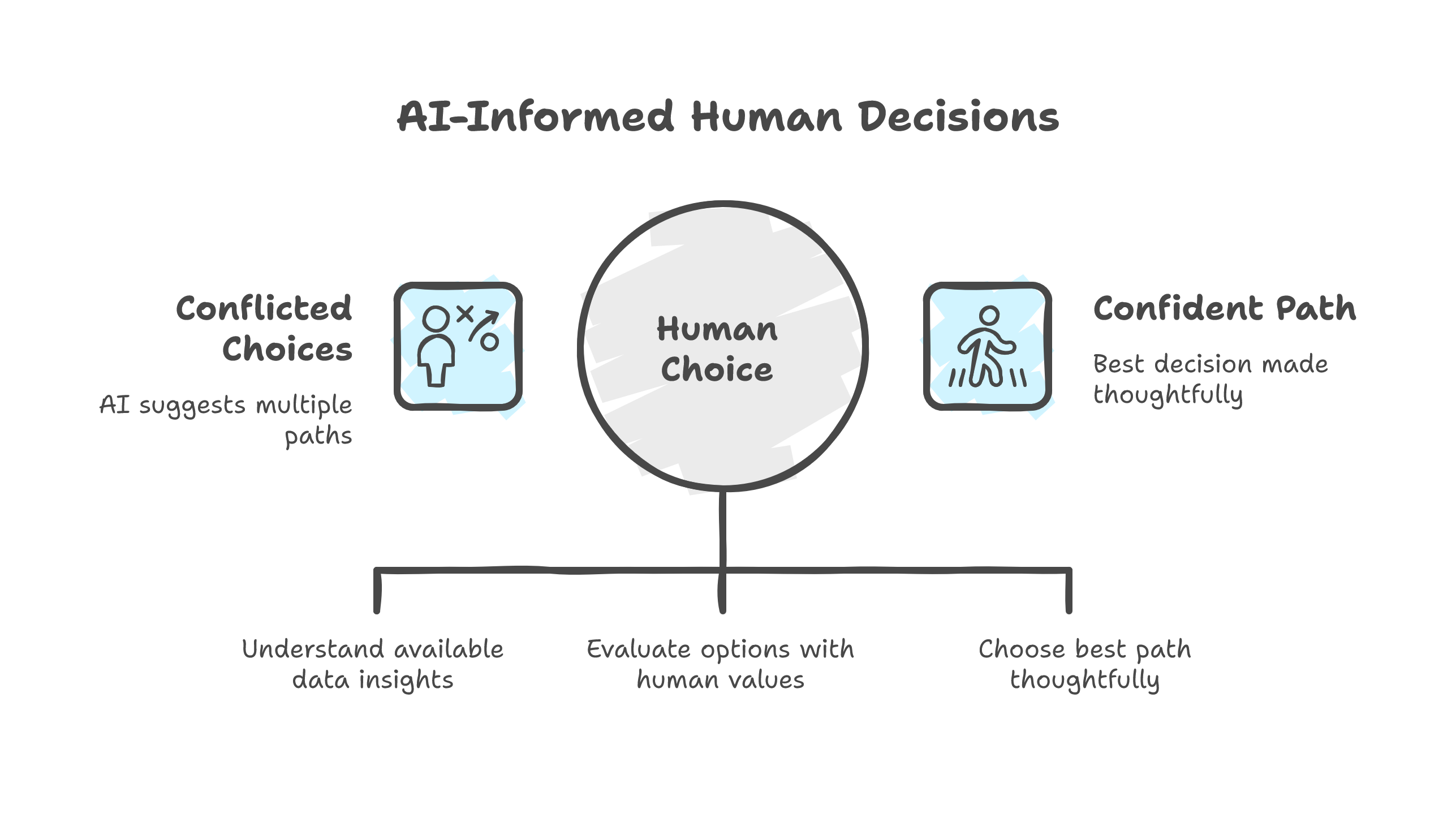
The aspirational vision is that QA engineers are AI’s moral compass, guiding its development and operation with wisdom and responsibility. As we navigate this technological frontier, the stakes could not be higher: the difference between AI we cannot trust and AI that transforms our world for the better.
The time to act is now; the cost of inaction is AI we cannot trust.
Opinions expressed by DZone contributors are their own.
Comments