

The Future of Smart Farming With IoT and Open Source Farming
Smart farming is a concept quickly catching on in the agricultural business. Offering high-precision crop control, useful data collection, and automated farming techniques, there are clearly many advantages a networked farm has to offer.
Smart farming is a concept quickly catching on in the agricultural business. Offering high-precision crop control, useful data collection, and automated farming techniques, there are clearly many advantages a networked farm has to offer.
A recent Beecham's report entitled Towards Smart Farming: Agriculture Embracing the IoT Vision predicts that food production must increase by 70 percent in the year 2050 in order to meet our estimated world population of 9.6 billion people. It also describes growing concerns about farming in the future: climate change, limited arable land, and costs/availability of fossil fuels. So, what's the solution? Smart farming.
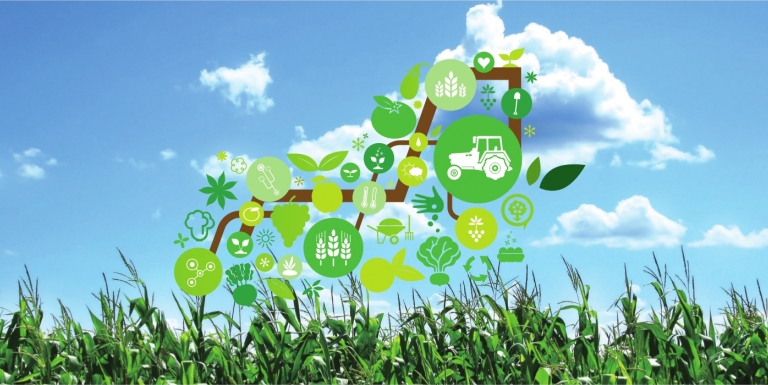
Of the many advantages IoT brings to the table, its ability to innovate the landscape of current farming methods is absolutely groundbreaking. IoT sensors capable of providing farmers with information about crop yields, rainfall, pest infestation, and soil nutrition are invaluable to production and offer precise data which can be used to improve farming techniques over time. New hardware, like the corn-tending Rowbot, is making strides by pairing data-collecting software with robotics to fertilize the corn, apply seed cover-crops, and collect information in order to both maximize yields and minimize waste.
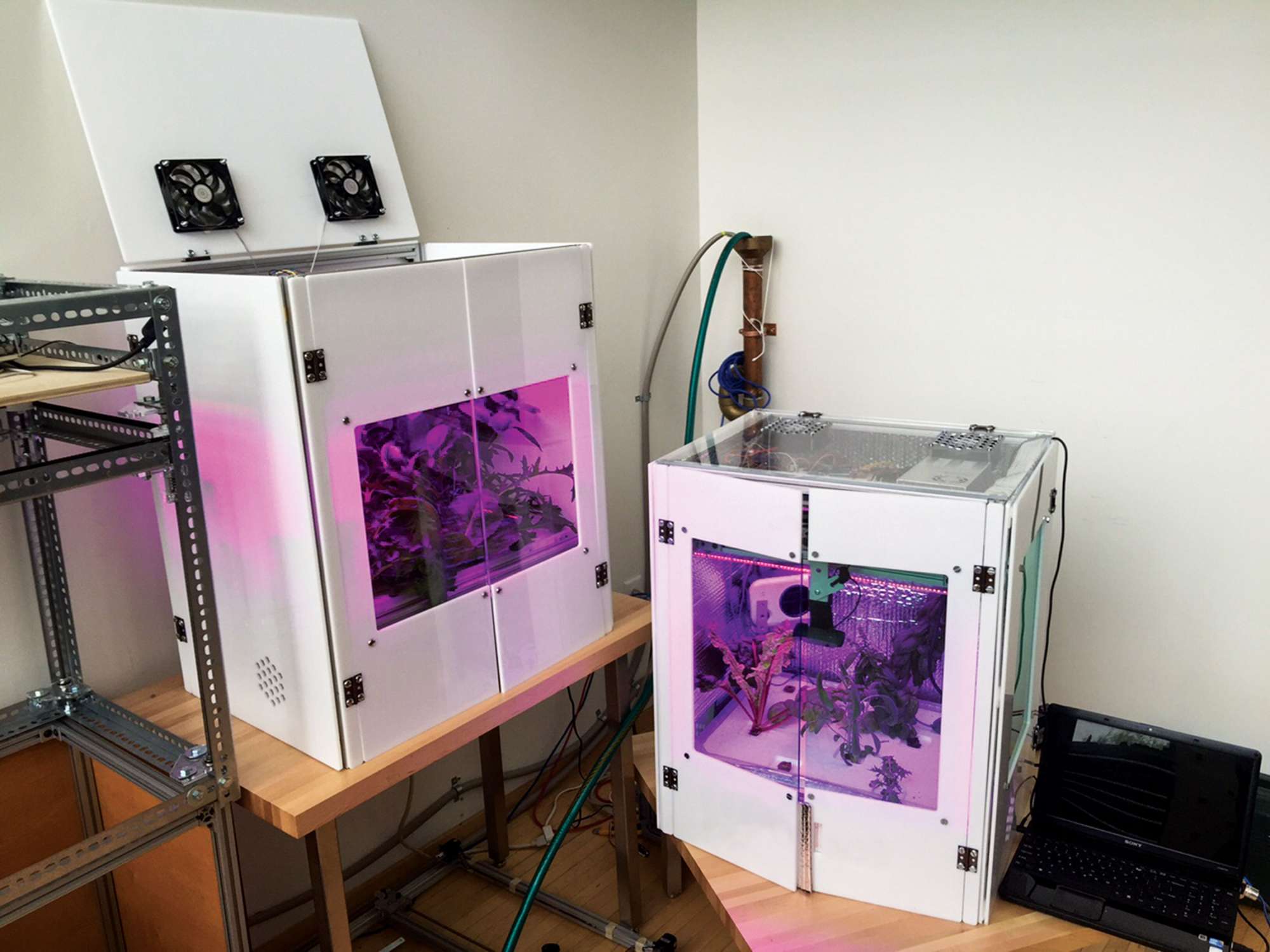
Another direction in which smart farming is headed involves intensively controlled indoor growing methods. The OpenAG Initiative at MIT Media Lab uses "personal food computers" (small indoor farming environments that monitor/administrate specific growing environments) and an open source platform to collect and share data. The collected data is termed a "climate recipe" which can be downloaded to other personal food computers and used to reproduce climate variables such as carbon dioxide, air temperature, humidity, dissolved oxygen, potential hydrogen, electrical conductivity, and root-zone temperature. This allows users very precise control to document, share, or recreate a specific environment for growing and removes the element of poor weather conditions and human error. It could also potentially allow farmers to induce drought or other abnormal conditions producing desirable traits in specific crops that wouldn't typically occur in nature.
With a future of efficient, data-driven, highly-precise farming methods, it is definitely safe to call this type of farming smart. We can expect IoT will forever change the way we grow food.
Opinions expressed by DZone contributors are their own.