

The Software Architect's Mandate: Treating ChatGPT as a System, Not a Search Engine
ChatGPT is an architectural component, not a data retrieval tool. Architect inputs, outputs, and integration to leverage ChatGPT's power and mitigate its inherent risks.
 CORE
·
CORE
·
Join the DZone community and get the full member experience.
Join For FreeAs a software architect, I've spent years designing systems that transform inputs into optimal outputs. When I first encountered ChatGPT, I recognized a familiar pattern: most users were treating it like a poorly designed API—sending malformed requests and wondering why the responses were suboptimal.
After analyzing thousands of interactions and reverse-engineering what makes for effective usage versus ineffective usage, I've identified the architectural principles that unlock ChatGPT's true potential. This isn't about prompt templates or tricks, but rather about really understanding the system architecture and designing your interactions in light of it.
The Fundamental Design Flaw In How People Use ChatGPT
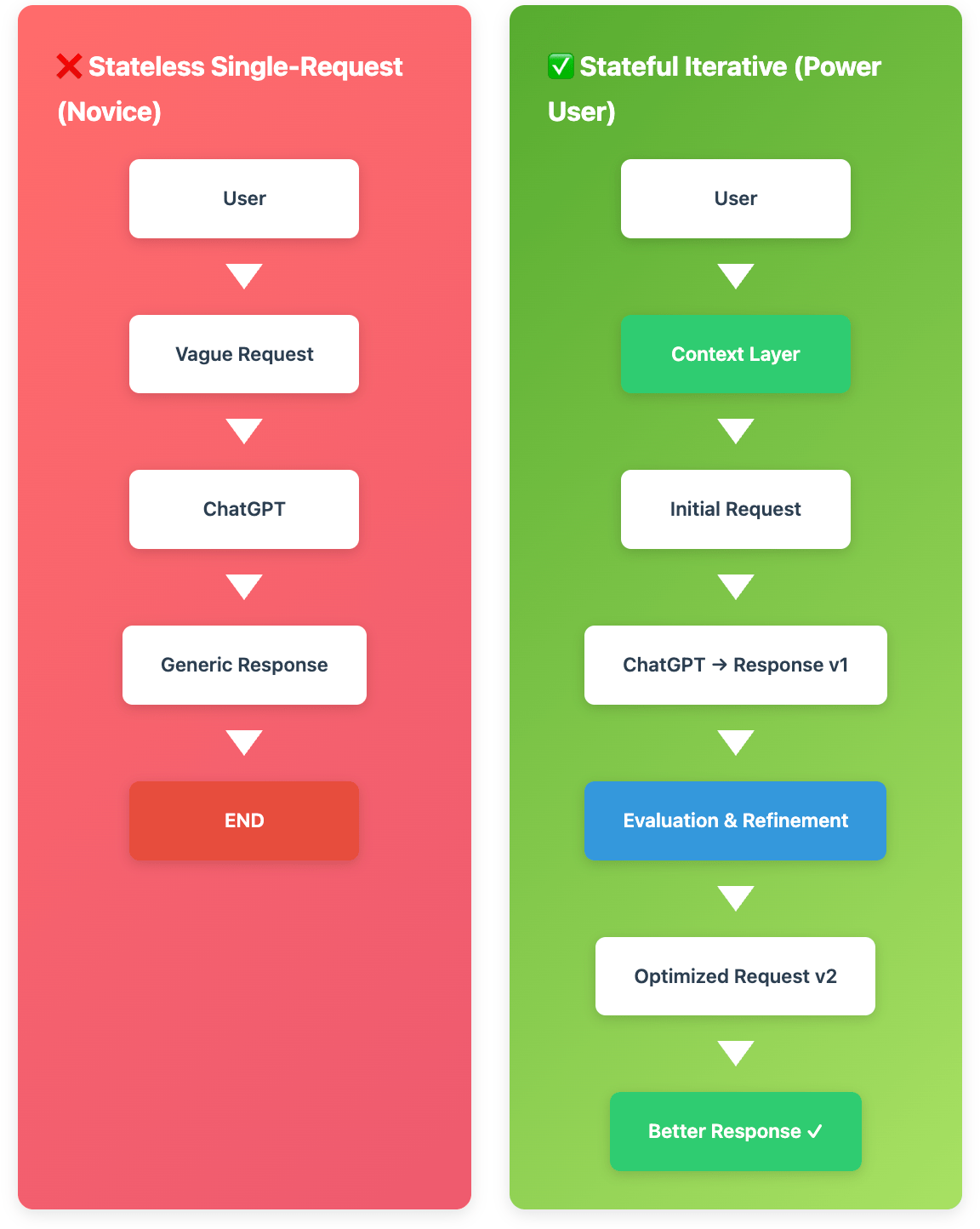
This is basically the same as invoking an API without headers, authentication, or payload details. You will get a 200 response; however, it will not be of any use. The variation is architectural: one is a single transaction, the other is a conversation protocol with state management.
The System Architecture of Effective ChatGPT Usage
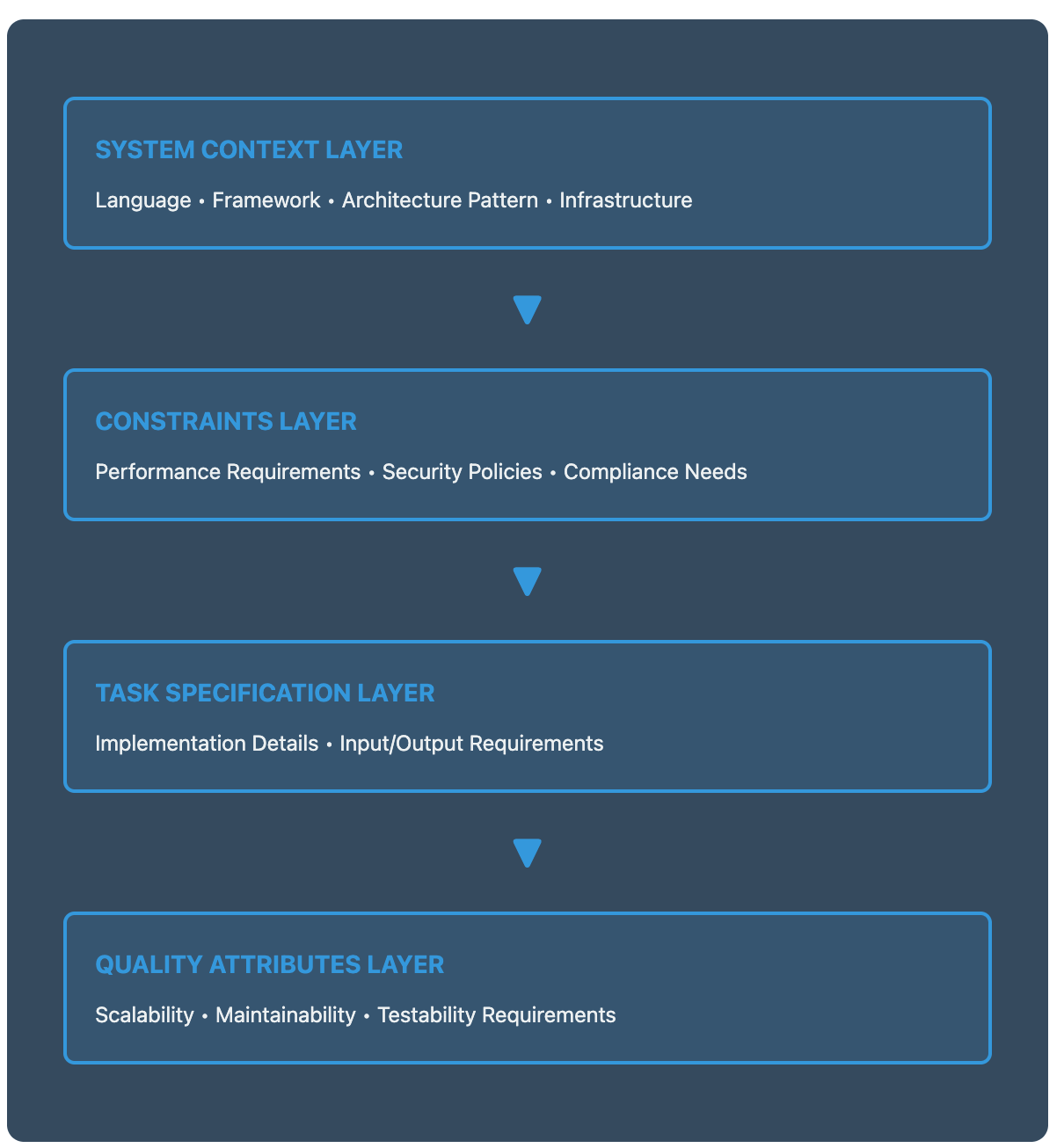
Layer 1: The Context Injection Layer
In software architecture, we know that systems perform better with proper configuration. ChatGPT is no different-it needs initialization parameters.
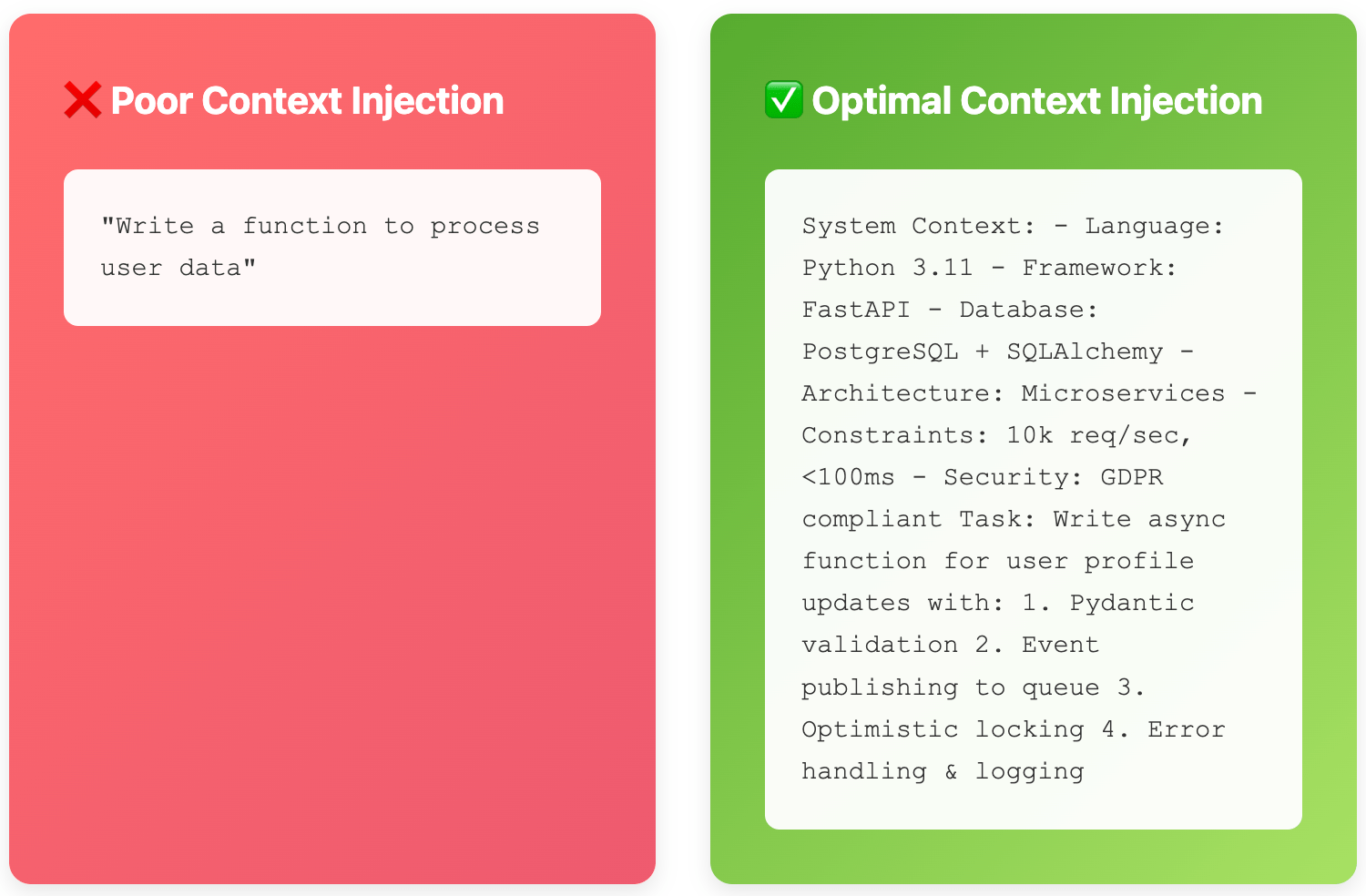
Do you see the difference? You have described the system boundaries, technical constraints, performance requirements, and compliance needs. Now, ChatGPT operates within your architectural framework instead of making generalizations.
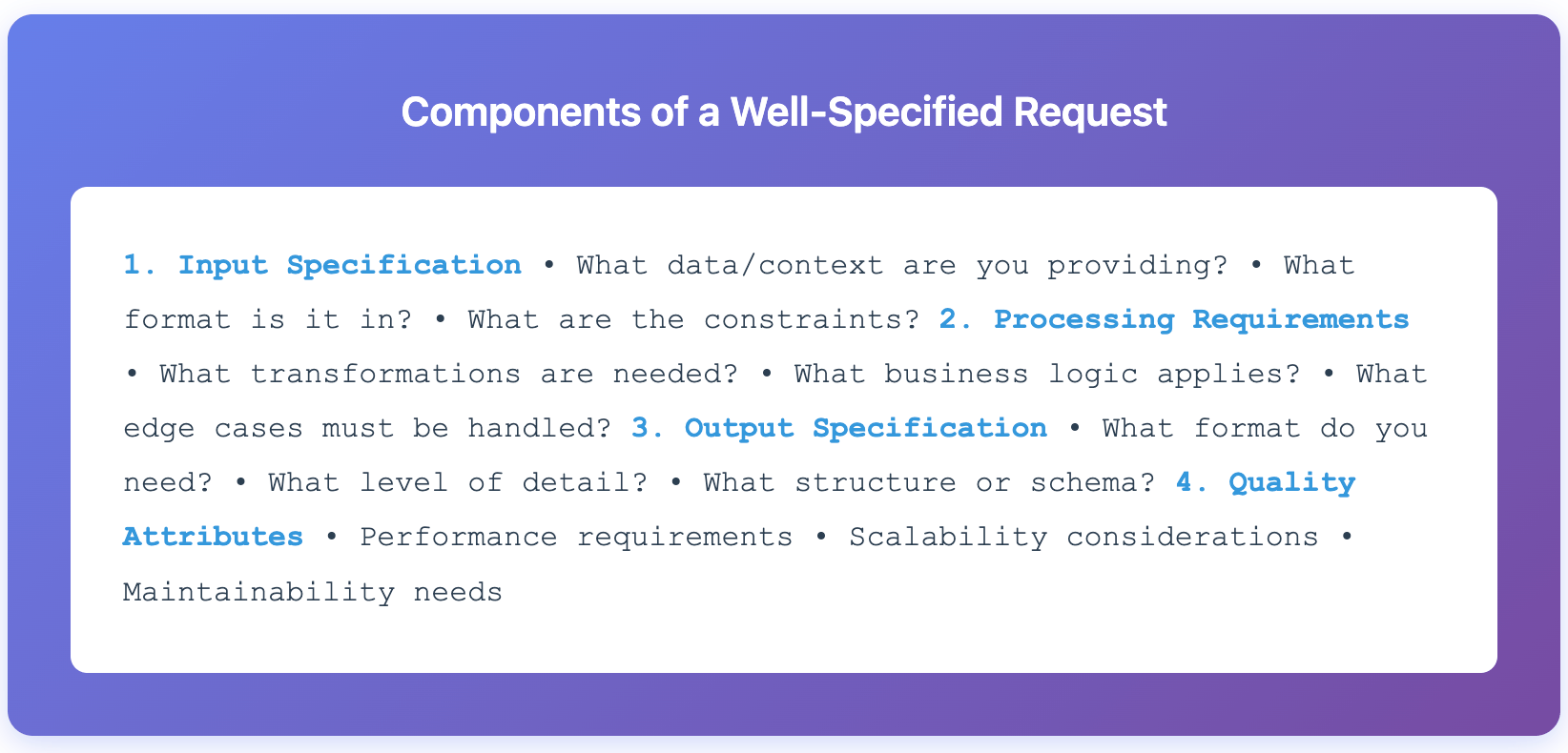
Layer 2: The Specification Protocol
In software design, we prepare detailed specifications before implementation. Have the same discipline with your ChatGPT interactions.
Layer 3: The Iterative Refinement Pattern
In agile development, we iterate based on feedback. So, ChatGPT responses should also follow that pattern.
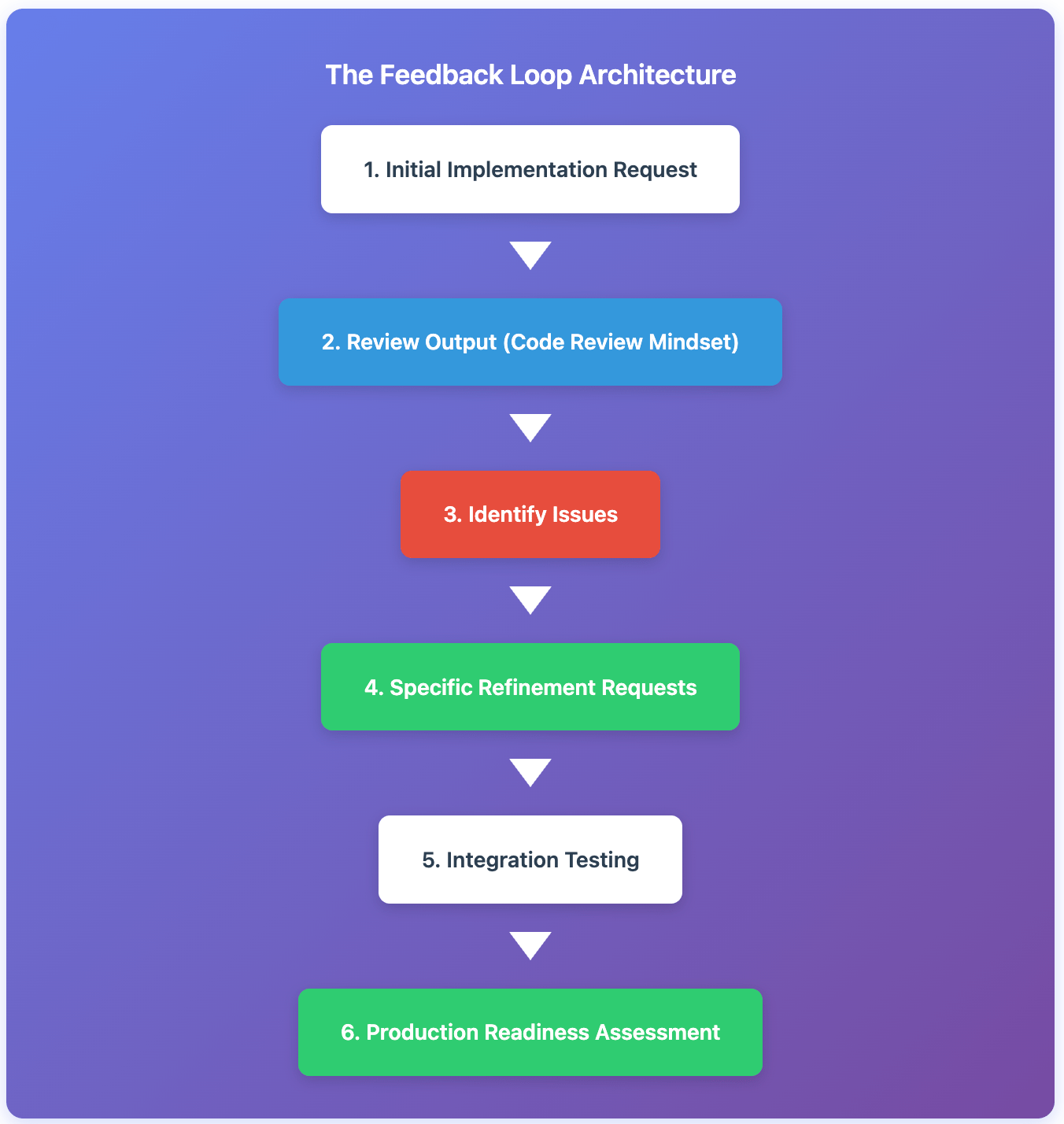
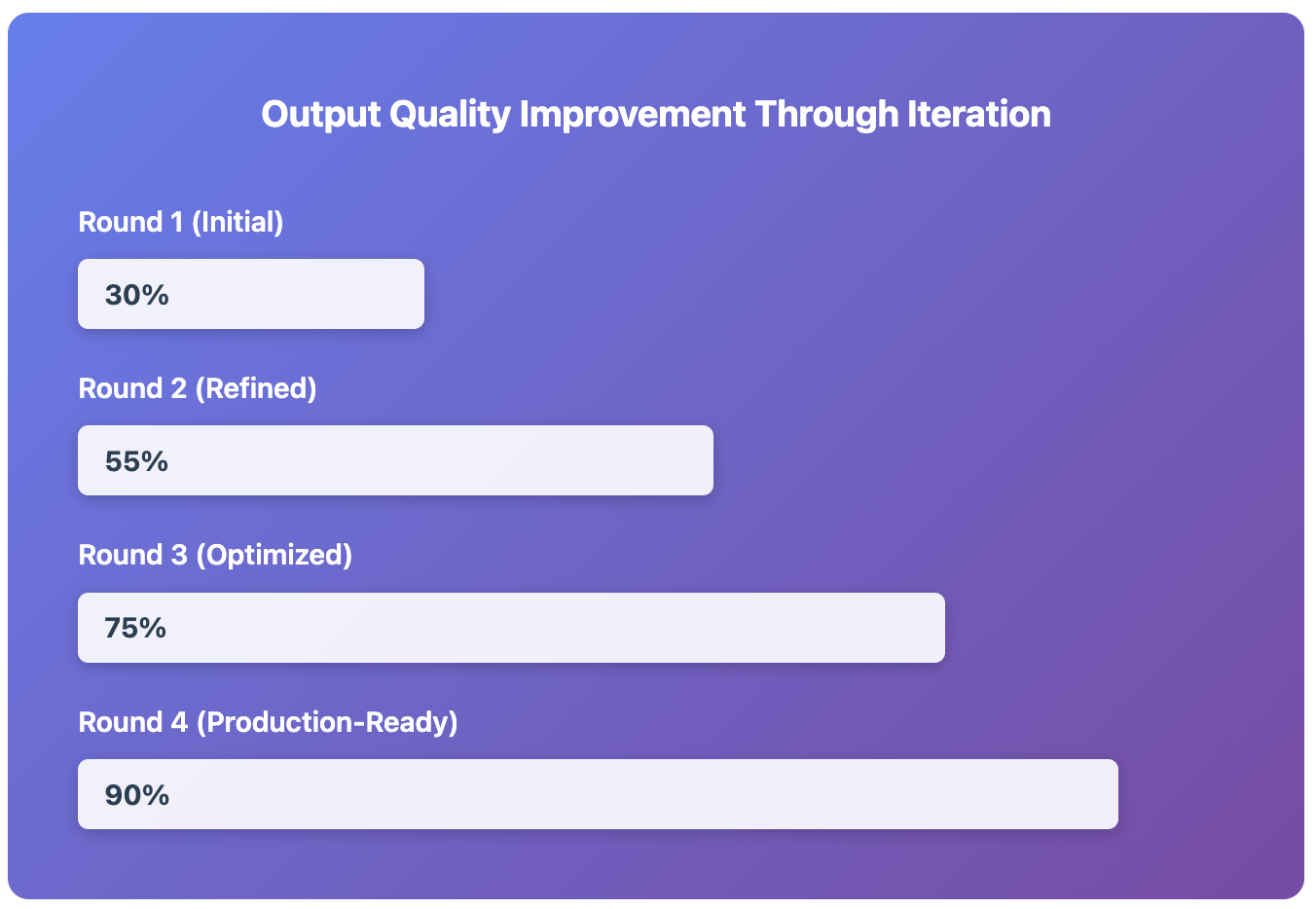
Example Refinement Sequence:
- Round 1: "This implementation doesn't handle database connection failures. Add retry logic with exponential backoff and circuit breaker pattern."
- Round 2: "The error handling is too broad. Create custom exception classes for different failure scenarios and implement proper exception hierarchy."
- Round 3: "Add comprehensive logging using a structured logging format compatible with the ELK stack. Include correlation IDs for distributed tracing."
- Round 4: "Write unit tests covering all edge cases, including network failures, timeout scenarios, and concurrent access patterns."
Advanced Architectural Patterns
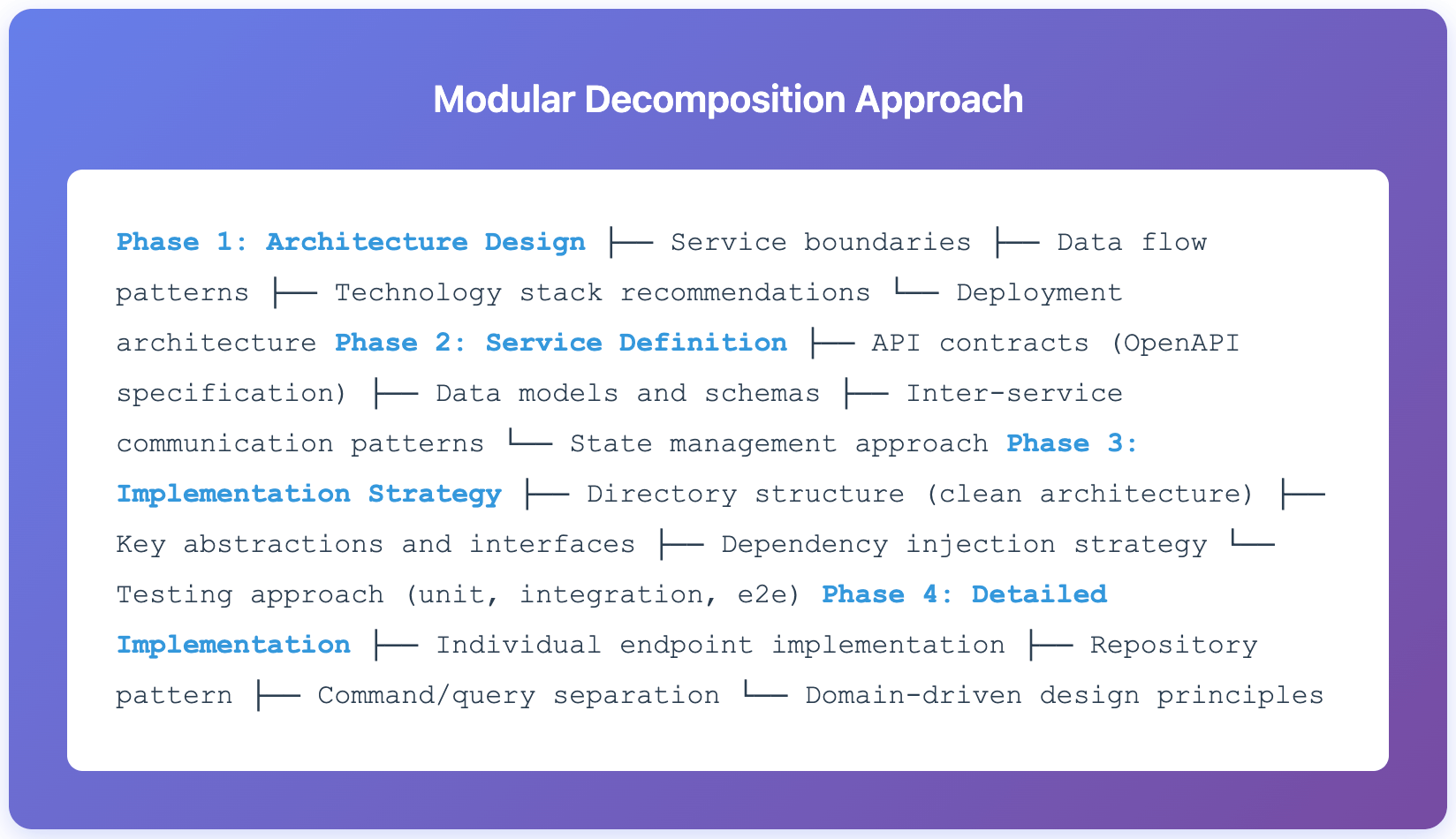
Pattern 1: The Modular Decomposition Strategy
Big, complicated issues should be broken down into smaller modules. Do not ask ChatGPT to create an entire system with one prompt.
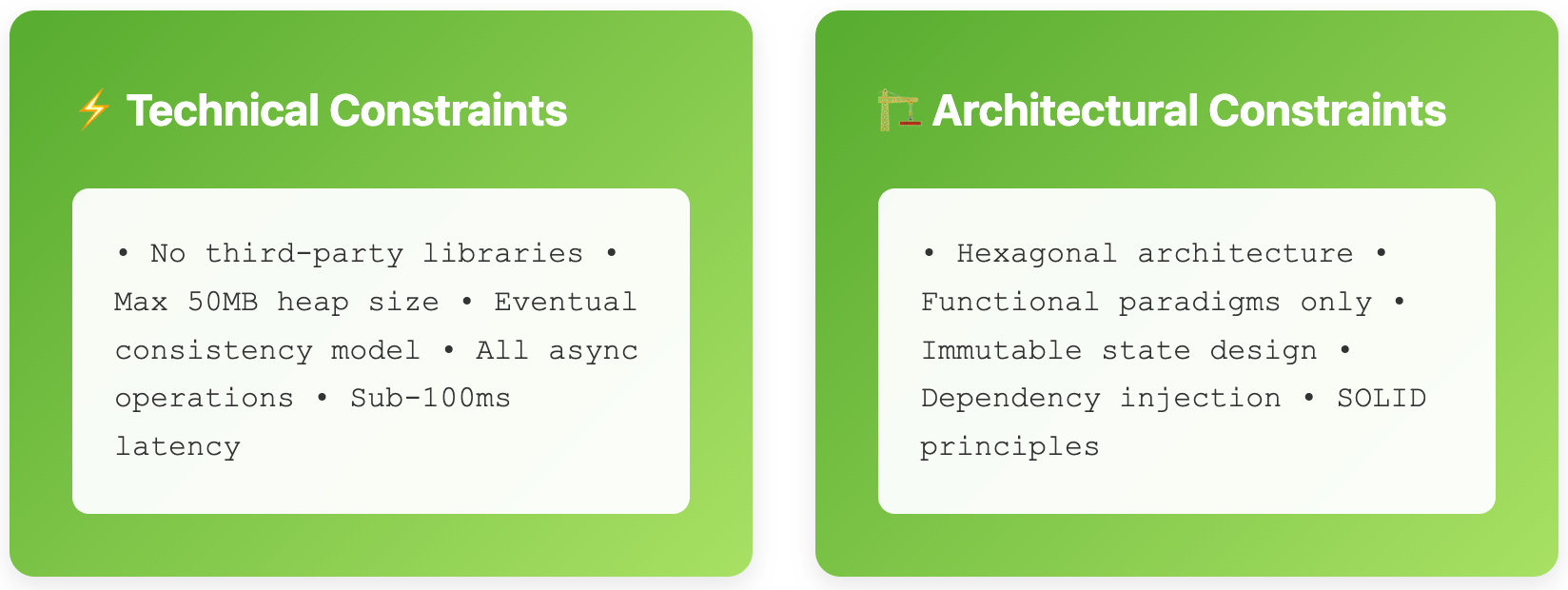
Pattern 2: The Constraint-Driven Design Method
In software architecture, limitations lead to creativity. Use the same idea with ChatGPT.
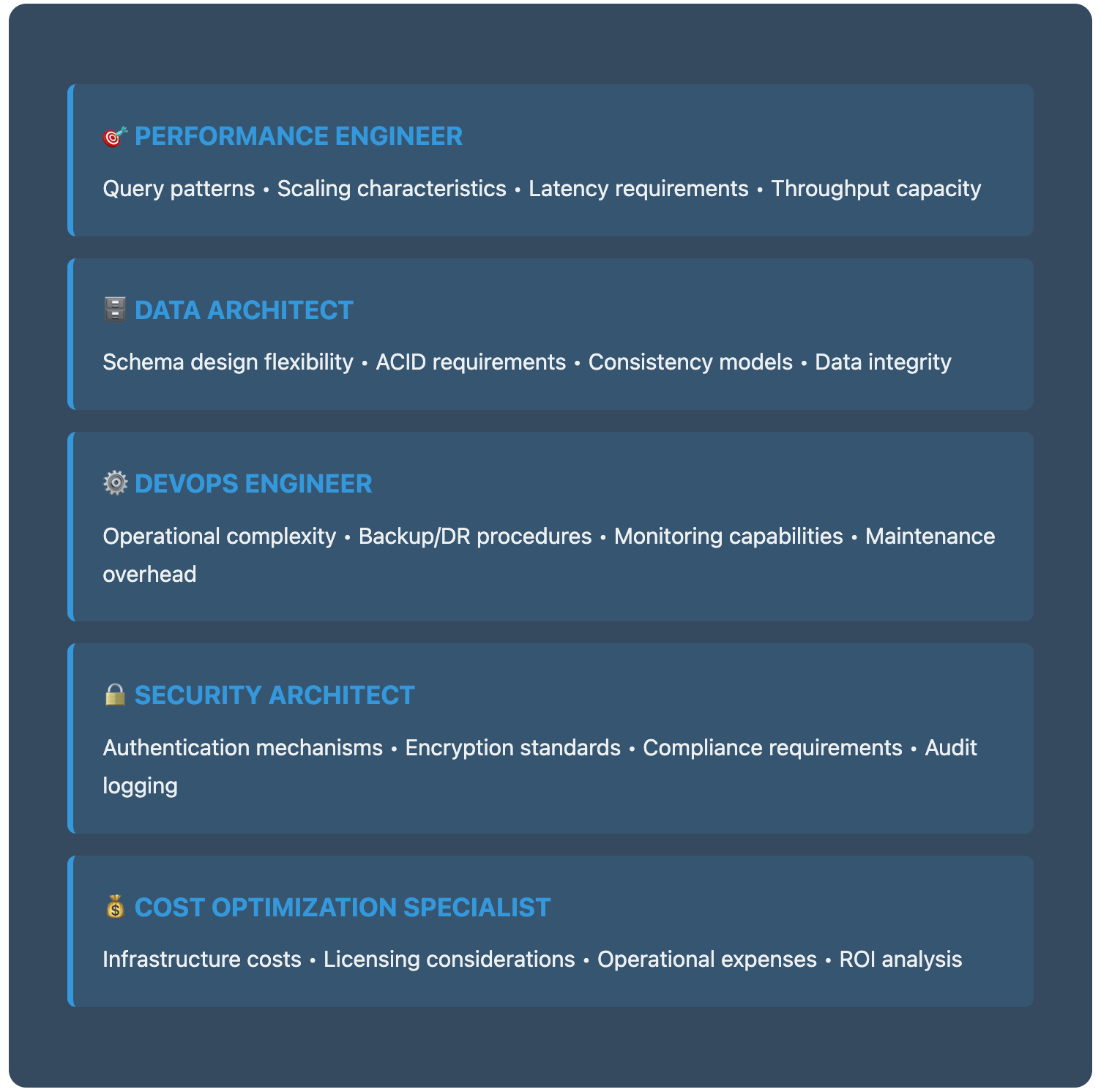
Pattern 3: The Multi-Perspective Analysis Framework
For architectural decisions, analyze from multiple viewpoints:
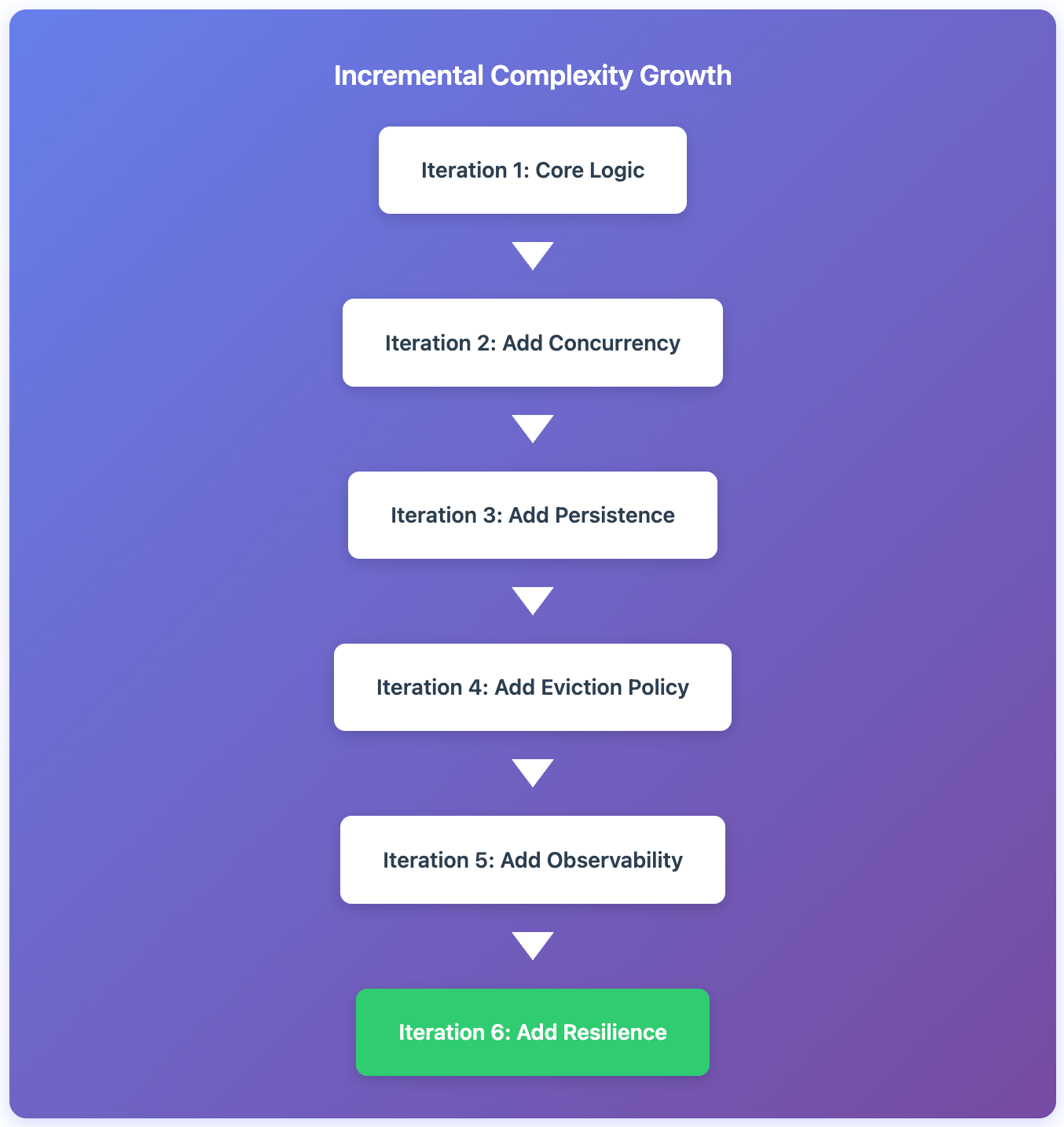
Pattern 4: The Incremental Complexity Scaling
Usage Pattern Analysis
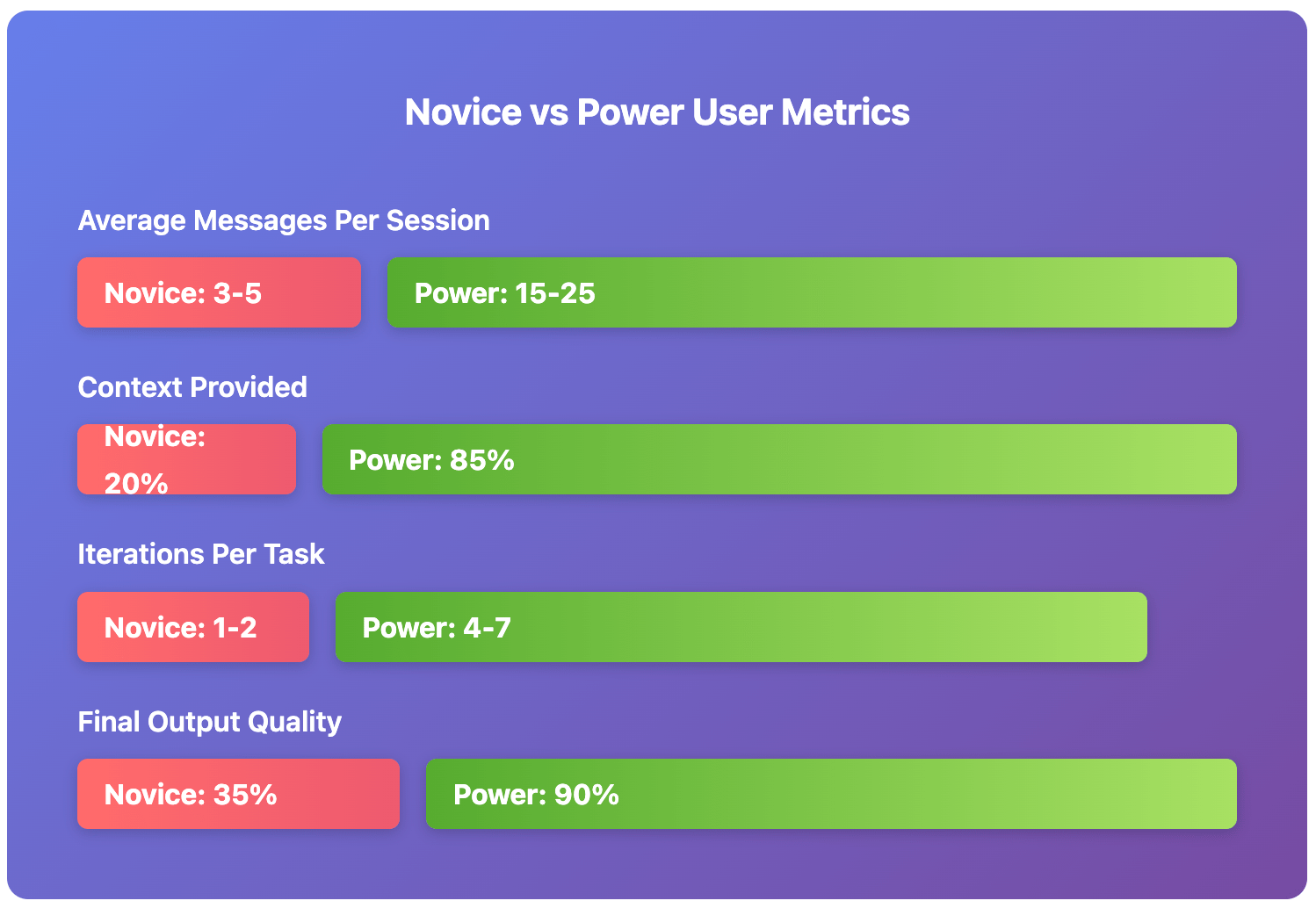
Patterns of Effective Users:
- Conversation Length as Leverage: The number of messages in a conversation between power users is usually around 15-25, while those between casual users are only 3-5 on average. The AI creates context step-by-step in the conversation, thus the last responses are more customized and relevant.
- Diagnostic Questions First: They do not simply decide on a solution and use ChatGPT to find out the real problem. "What information would you need to give me the most useful advice on this topic?" or "What are the most common mistakes people make when approaching this problem?"
- Feedback Integration: After ChatGPT leads to some output, power users identify the shortcomings of it: "This is good, but it doesn't account for X scenario" or "The approach works for small datasets but won't scale - redesign for 10M records."
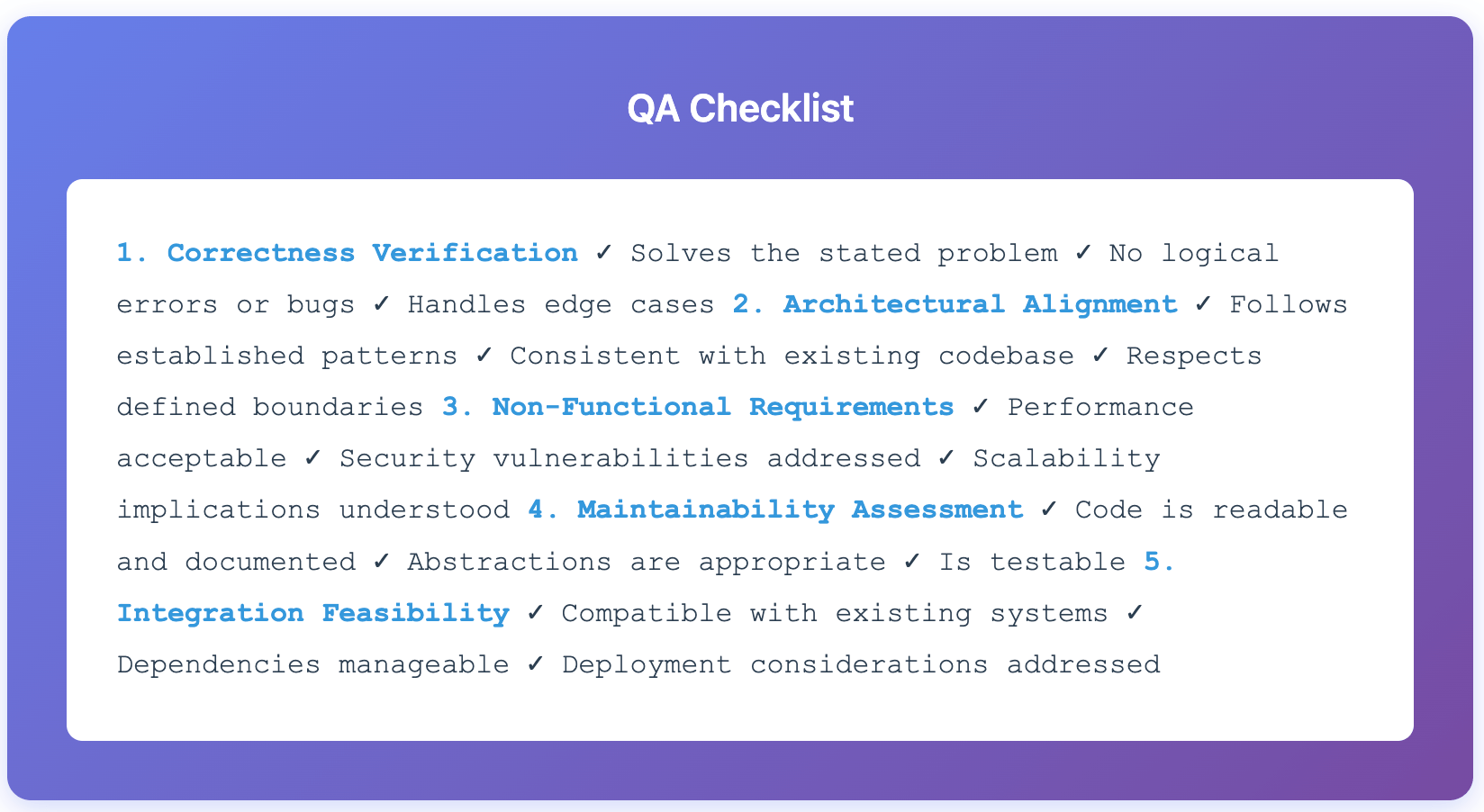
Quality Assurance Protocol
Before accepting any ChatGPT output as production-ready, verify:
The Meta-Architecture: Designing Your ChatGPT Workflow
Treat your ChatGPT usage as a software system itself:
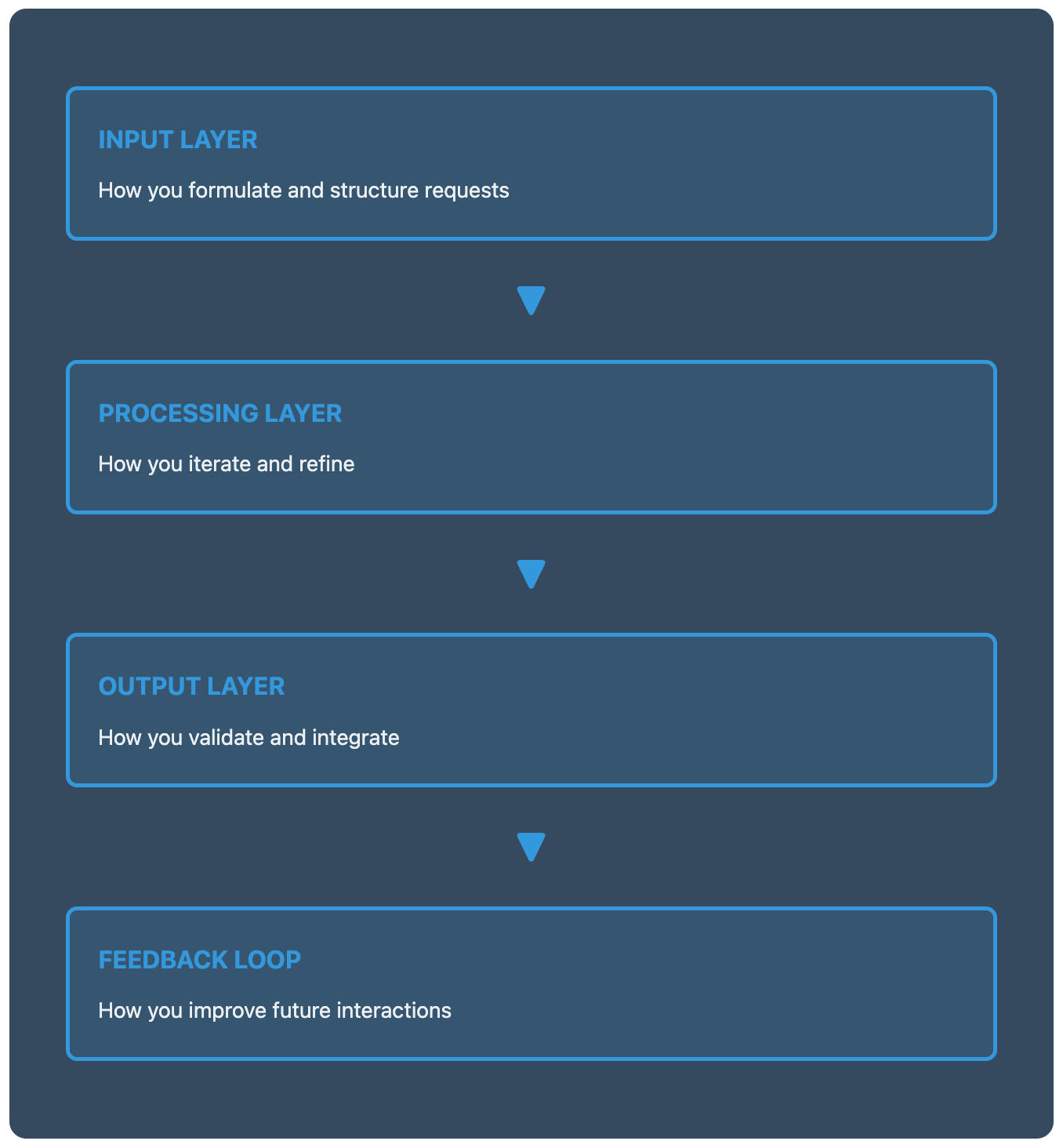
Document your effective prompts just as you would document APIs. Create a personal library of proven patterns. Your prompt templates should be under version control. Refactor continuously based on your results.
The State Management Strategy
ChatGPT maintains conversation history; leverage this like managing application state.
Session Initialization:
Start each major task with a comprehensive context dump:
"For this entire conversation, maintain this context:

Project: Payment Processing Microservice
Stack: Java 17, Spring Boot 3.x, PostgreSQL, Kafka
Team: 5 engineers, agile, 2-week sprints
Constraints: PCI DSS compliant, 99.99% uptime SLA, <200ms p95 latency
Current Sprint Goal: Implement refund processing with idempotency guarantees

All subsequent responses should assume this context."
State Checkpoints:
Periodically verify ChatGPT's understanding:
"Before we proceed, summarize your understanding of:
1. The current architecture decisions we've made
2. The constraints we're working within
3. The remaining components to implement"
Context Refresh:
When conversation drifts:
"Let's refocus on the original goal: implementing the refund processing
endpoint. Disregard the previous discussion about notification systems—
we'll handle that separately."
Design Patterns For Specific Use Cases
Code Review and Quality Assurance
"Act as a senior software architect conducting a code review. Analyze
this code for:

Architecture & Design:
- Separation of concerns and single responsibility adherence
- Dependency direction and coupling analysis
- Abstraction levels and interface design

Code Quality:
- Cyclomatic complexity and code smell detection
- Error handling robustness
- Resource management and cleanup

Performance:
- Algorithmic complexity analysis
- Potential bottlenecks and optimization opportunities
- Memory allocation patterns

Security:
- Input validation and sanitization
- SQL injection or XSS vulnerabilities
- Secrets management and sensitive data handling

Maintainability:
- Code readability and documentation
- Test coverage and testability
- Configuration management

Provide specific, actionable recommendations with examples."
System Design and Architecture
"Design a distributed caching system similar to Redis with these requirements:

Functional Requirements:
- Key-value storage with TTL support
- Support for strings, lists, sets, sorted sets, hashes
- Pub/sub messaging capability
- Atomic operations and transactions

Non-Functional Requirements:
- Horizontal scalability to 100+ nodes
- Sub-millisecond latency at p99
- High availability with automatic failover
- Data persistence options

Design Components:
1. Data partitioning strategy (consistent hashing?)
2. Replication protocol (async vs sync?)
3. Consensus mechanism for cluster coordination
4. Client communication protocol
5. Persistence layer architecture
6. Memory management and eviction policies

For each component, explain:
- Design rationale and trade-offs
- Alternative approaches considered
- Failure scenarios and handling
- Scalability implications"
Conclusion: The Architectural Mindset
The gap between a beginner and an expert user of ChatGPT is not matter of unearthing secret commands and hidden knowledge. Instead, it is about the expert user engineering the interaction as if it were software.
Consider ChatGPT as a very powerful but still uninitialized system. Give it the correct configuration. Make clear your specs. Go ahead with iterative refinement. Keep state consistent. Check outputs thoroughly.
Those who are able to obtain 10 times more value from ChatGPT are not luckier or more creative than others. They are just better at applying the right architectural principles in their interactions with AI.
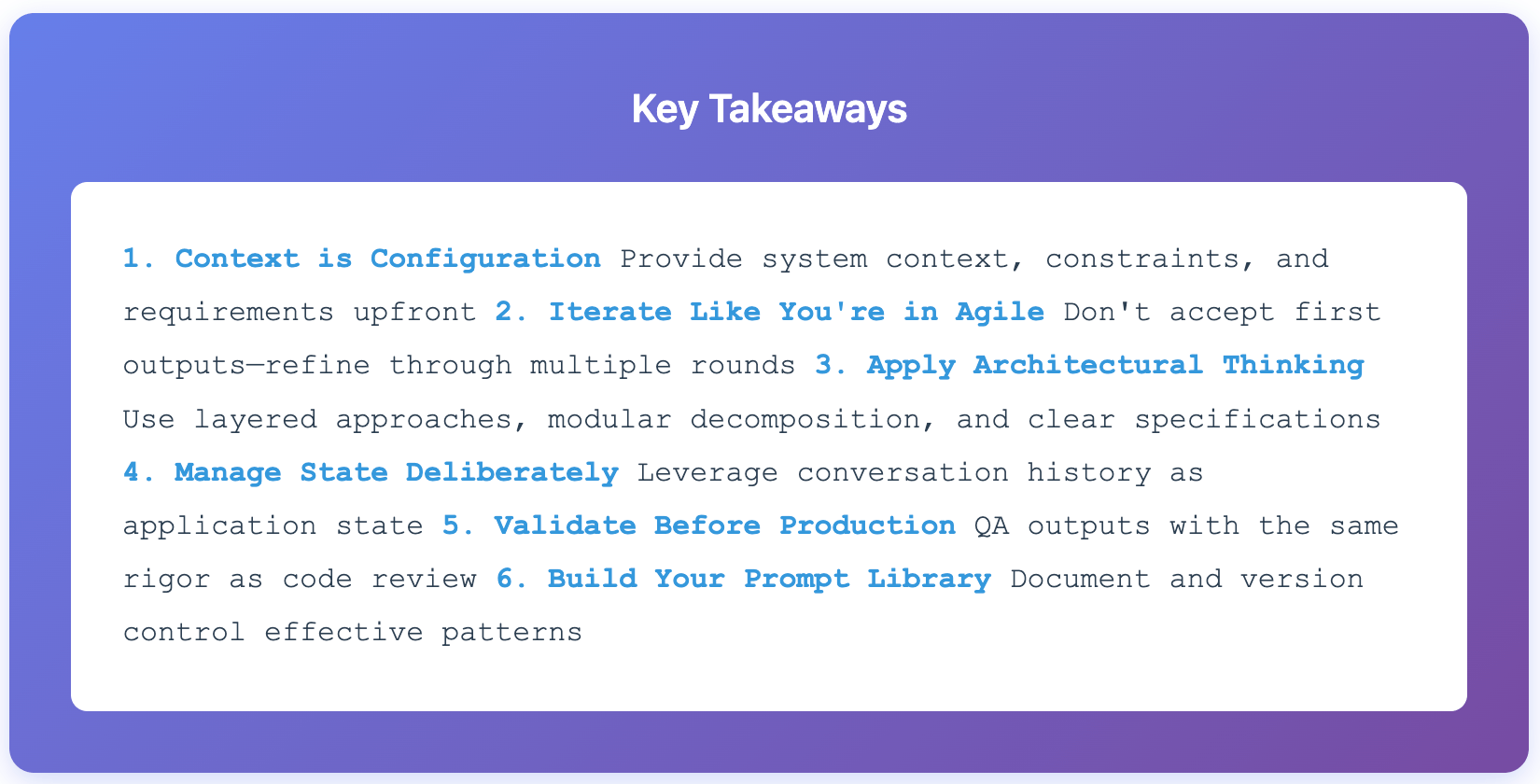
Think of your prompts as the systems you design: with purpose, organization, and engineering rigor. The work will be done without you having to say a word.
Opinions expressed by DZone contributors are their own.
Comments