

Types of Web 3 APIs
Choosing the right API architecture depends on your application’s specific needs like it's enterprise integration, user interaction or deep protocol-level communication.
Join the DZone community and get the full member experience.
Join For FreeAn API (Application package interface) is a software tool that enables researchers and developers to access some third-party data and functionality within a main software. Usually, it’s a collection of software commands that act as an interface to an external database. Web 3 APIs act as translators, enabling applications to interact with features like smart contracts and on-chain data, empowering you to harness the power of Web3 without diving deep into technical complexities.
Various API categories —REST, SOAP, RPC, and WebSocket— offer unique strengths tailored to different use cases:
- REST APIs shine in usability, speed, and multichain support for NFT and DeFi apps.
- SOAP APIs cater to enterprises needing high-standard security and message integrity.
- RPC APIs are the go-to for smart contract interactions and node-level data.
- WebSocket APIs enable the real-time responsiveness required by modern decentralized applications.
Choosing the right API architecture depends on your application’s specific needs—whether it's enterprise integration, real-time user interaction, or deep protocol-level communication.
Representational State Transfer (REST) APIs in Web3
REST APIs use HTTP requests to perform operations. They are stateless, cacheable, and easy to integrate. REST is widely used in Web3 for blockchain explorers, NFT marketplaces, and decentralized finance (DeFi) platforms.
REST API
DropsTab API provides investment-focused analytics and token tracking tools. It's especially valuable for VC analysts, crypto researchers, and strategic investors. A powerful data aggregator offering real-time and historical metrics, with a strong focus on tokenomics and Token Unlocks via a commercial API.
DropsTab API delivers specialized market intelligence tools for developers and analysts, making it ideal for financial products and research applications. It stands out for its advanced analytics, including detailed insights into investors, fundraising rounds, and token vesting schedules.
This API is best for Investment analytics, token tracking, investment monitoring.
Advantages:
- Deep, structured crypto data (market, unlocks, investors)
- Historical and real-time insights
- Ideal for research, analytics, and investor tracking
Use Cases:
- Token unlock tracking
- VC and funding round analysis
- Market sentiment dashboards
Endpoints:
- GET /tokenUnlocks: List of upcoming token unlock events
- GET /fundingRounds: Retrieves project funding history
- GET /coins/detailed/{slug}: Detailed data for a specific cryptocurrency
Moralis API
Moralis provides easy onboarding for Web3 developers and eliminates the need to run full nodes.
Advantages:
- Developer-friendly
- Cross-chain support (Ethereum, Polygon, BNB Chain)
- Powerful abstraction layer over raw blockchain data
Use Cases:
- NFT platforms
- Wallet tracking
- DeFi dashboards
Endpoints:
- GET /nft/{address}: Get NFTs for a contract
- GET /balance/{address}: Fetch native token balances
- GET /transaction/{txHash}: Get details of a transaction
Alchemy API
Alchemy's REST API is essential for developers needing performant access to Ethereum and EVM-compatible chains.
Advantages:
- High reliability and speed
- Enhanced developer tools (Web3 SDKs, dashboards)
- Compatible with Ethereum and Layer 2 chains
Use Cases:
- DApp development
- Transaction tracing
- NFT indexing
Endpoints:
- GET /v2/{apiKey}/getNFTs: List NFTs owned by an address
- GET /v2/{apiKey}/getAssetTransfers: Retrieve token transfer history
- GET /v2/{apiKey}/getTokenMetadata: Metadata about an ERC-20 token
Many more rest APIS exist as they are the most widely used but we only highlighted this three for brevity.
Simple Object Access Protocol (SOAP) APIs in Web3
SOAP APIs are XML-based protocols for exchanging structured information over a network. Though less common in modern Web3 compared to REST or RPC, SOAP APIs are still used in some enterprise blockchain environments where high security, reliability, and transaction integrity are paramount.
IBM Blockchain Platform API
IBM uses WSDL (Web Services Description Language) for defining the service interface. While their modern platform supports REST and gRPC, SOAP is often employed in legacy enterprise integrations.
Advantages:
- Enterprise-grade support
- Strong security and transaction management
- Robust error handling
Use Cases:
- Supply chain transparency
- Identity verification
- Financial audits
Endpoints (SOAP-style):
- QueryTransaction: Retrieves transaction records by ID
- SubmitTransaction: Submits a transaction to the network
- GetBlockInfo: Gets block details by height or hash
Oracle Blockchain Platform API
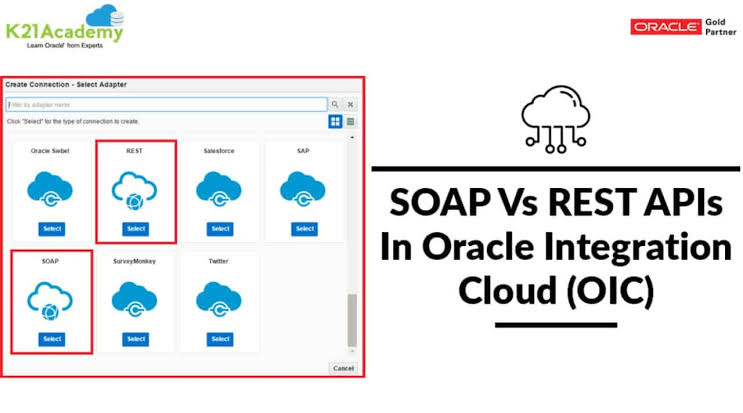
This API uses SOAP over HTTPS and is often wrapped in enterprise middleware for access via SOAP-based enterprise service buses (ESBs).
Advantages:
- Integrated with Oracle Cloud
- Standardized message structures
- High availability and enterprise features
Use Cases:
- Corporate finance and ERP systems
- Business process automation
- Smart contract governance
Endpoints:
- ChaincodeInvoke: Triggers chaincode functions
- ChaincodeQuery: Queries the ledger
- UserManagement: Adds or removes users from the network
Remote Procedure Call (RPC) APIs in Web3
RPC APIs allow developers to invoke functions on remote servers (in this case, blockchain nodes) as if they were local. JSON-RPC is the most common protocol in Web3 for interacting with Ethereum-compatible blockchains.
Infura JSON-RPC API
Infura abstracts the complexity of maintaining a node and provides secure, high-availability access to Ethereum.
Advantages:
- Scalable, managed Ethereum node infrastructure
- JSON-RPC standard compliance
- Supports Ethereum, IPFS, Arbitrum, Optimism, and more
Use Cases:
- Smart contract interactions
- DApp backend services
- Blockchain data queries
Endpoints:
- eth_getBalance: Returns account balance
- eth_sendRawTransaction: Broadcast a signed transaction
- eth_call: Calls a smart contract without broadcasting
Chainstack RPC API
Chainstack's multi-cloud infrastructure is a popular choice among blockchain enterprises needing performance and security.
Advantages:
- Enterprise-grade infrastructure
- Private and shared node options
- Supports Ethereum, BNB Chain, Avalanche, and more
Use Cases:
- Custom node hosting for DeFi and NFT apps
- On-chain data extraction
- Transaction relaying and simulation
Endpoints:
- eth_estimateGas: Estimates the gas required for a transaction
- eth_newFilter: Create a new event filter
- eth_getBlockByNumber: Fetches block data.
WebSocket APIs in Web3
WebSocket APIs provide full-duplex communication channels over a single TCP connection. In Web3, WebSockets are crucial for real-time applications like DEXs, wallet updates, and gaming.
NOWNodes WebSocket API

NOWNodes offers WebSocket endpoints across major and niche blockchains, giving developers flexibility for real-time engagement.
Advantages:
- Multichain support with real-time data
- Easy integration with open-source libraries
- Affordable pricing tiers
Use Cases:
- Cross-chain alerts
- NFT event tracking
- Real-time explorer data
Endpoints:
- subscribeNewBlock: Fires when a new block is added
- subscribeTx: Fires on specific transaction events
- subscribeContractEvent: Tracks smart contract interactions
Alchemy WebSocket API
Alchemy’s WebSocket endpoints provide filtered event streaming with minimal overhead.
Advantages:
- Real-time updates for transactions and blocks
- Reduced latency
- High reliability
Use Cases:
- Front-end real-time alerts
- Wallet balance notifications
- Live NFT minting updates
Endpoints:
- alchemy_pendingTransactions: Subscribe to new pending transactions
- alchemy_newHeads: Subscribe to new block headers
- alchemy_filteredLogs: Subscribe to specific smart contract events
Conclusion
In the rapidly evolving Web3 landscape, APIs serve as vital bridges between decentralized networks and application developers.
This concise comparison helps in choosing the right API style based on project needs.
1. Communication Style
- REST: Stateless, resource-based; uses HTTP methods (GET, POST, etc.)
- SOAP: Protocol-based; uses XML over HTTP/SMTP with strict standards
- RPC (Remote Procedure Call): Function-based; typically uses JSON-RPC or XML-RPC for invoking procedures remotely
- WebSocket: Full-duplex, persistent communication over a single TCP connection
2. Message Format
- REST: Flexible; commonly JSON or XML
- SOAP: Strictly XML with an envelope structure
- RPC: JSON or XML, depending on implementation
- WebSocket: Binary or text frames; highly flexible and low-level
3. Use Cases
- REST: Web services, mobile apps, CRUD operations
- SOAP: Enterprise applications, financial services (e.g., ACID compliance)
- RPC: Microservices, internal APIs where performance is key
- WebSocket: Real-time apps like chat, gaming, live feeds
4. Performance
- REST: Good for standard web traffic; less overhead than SOAP
- SOAP: Heavy; verbose XML leads to higher latency
- RPC: Fast; minimal overhead, especially in binary implementations
- WebSocket: Excellent for continuous, low-latency communication
5. Security
- REST: HTTPS, OAuth; custom handling needed
- SOAP: Built-in standards (WS-Security)
- RPC: Varies; less standardization
- WebSocket: Relies on underlying transport security (e.g., WSS)
Take the time to define your use case, test a few APIs using free tiers or sandbox environments, and choose the provider that offers the best balance of data access, documentation, and long-term scalability.
Opinions expressed by DZone contributors are their own.
Comments