

Is AI Responsible for Its Actions, or Should Humans Take the Blame?
AI isn’t responsible — humans are. It’s just a tool that follows our rules. If AI fails, it’s because of how we built, trained, or used it.
 CORE
·
CORE
·
Join the DZone community and get the full member experience.
Join For FreeThe big question is: Can we handle AI responsibly? Or will we let it run wild?
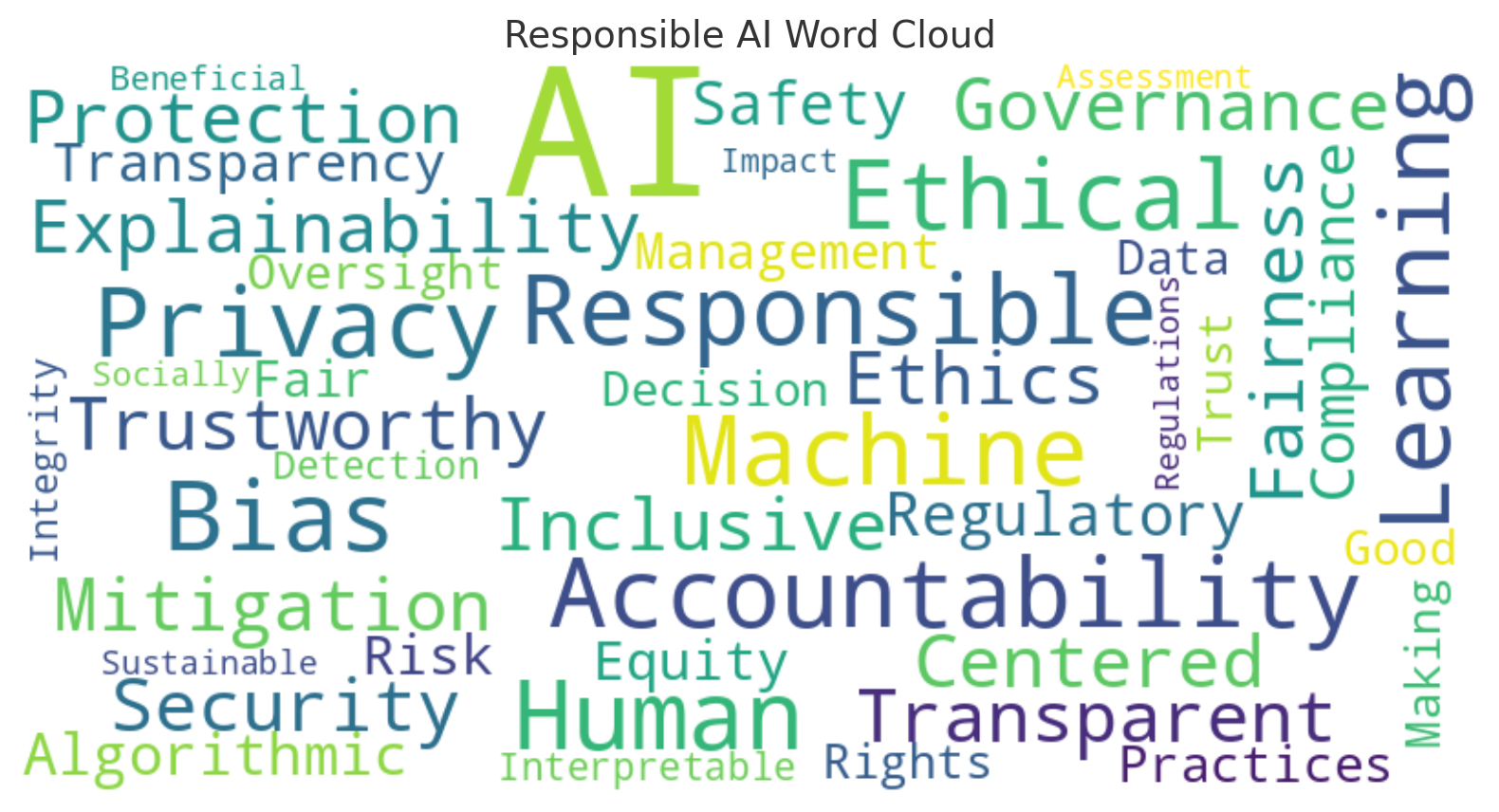
Artificial intelligence (AI) is changing the world. It is used in self-driving cars, healthcare, finance, and education. AI is making life easier, but it also comes with risks. What happens when AI makes a mistake? Should AI take the blame, or should humans be responsible?
I know that AI is just a tool — it doesn’t think, feel, or make choices on its own. It only follows the data and rules we give it. If AI makes a mistake, it’s because we made errors in building, training, or supervising it. Blaming AI is like blaming a calculator for a wrong answer when the person entered the wrong numbers. AI can be powerful and helpful, but it’s not perfect. It’s our duty to build it carefully, test it properly, and use it responsibly. The real responsibility is on us, not AI.
What Is Responsible AI?
Responsible AI means creating, using, and controlling AI in a safe and fair way. It helps reduce problems like bias, unfairness, and privacy risks.
AI is not a person. It does not have feelings or morals. It follows the rules we give it. So, if AI does something wrong, it is our fault, not AI’s.
Key Parts of Responsible AI
- Transparency. AI decisions should be clear, not a "black box."
- Fairness. AI must not treat people unfairly.
- Accountability. Humans must take responsibility when AI makes mistakes.
- Privacy and security. AI must protect people’s data, not misuse it.
So it's always us who use the AI; we’re the irresponsible ones, not AI.
Key Principles of Responsible AI
Several organisations and researchers have proposed principles for responsible AI. These principles often overlap and share common themes. Some key principles include:
1. Fairness and No Discrimination
AI should not treat people unfairly based on race, gender, or other factors. Biased AI can lead to unfair hiring, loans, and law enforcement.
"Algorithms are opinions embedded in code."
– Cathy O'Neil, Weapons of Math Destruction
2. Transparency and Explainability
AI must show how it makes decisions. This builds trust. If AI makes a mistake, we should understand why. The need for explainable AI (XAI) is growing as AI systems become more complex and are used in critical applications.
"Black boxes conceal agendas."
– Frank Pasquale, The Black Box Society
3. Accountability
There must be clear rules about who is responsible when AI causes harm.
"With great power comes great responsibility."
– Attributed to Voltaire, popularized by Spider-Man comics
4. Privacy and Security
AI systems should protect user privacy and data security. This is particularly important as AI systems often rely on large amounts of data.
"Privacy is not an option, and it shouldn’t be the price we accept for just getting on the Internet."
– Gary Kovacs, former CEO of Mozilla
5. Robustness and Safety
AI must work correctly in all situations, especially in self-driving cars and healthcare.
"Safety isn’t expensive, it’s priceless."
– Unknown
6. Human Control
Humans should always have control over AI. We should be able to stop AI or change its decisions if needed.
“Is artificial intelligence less than our intelligence?”
– Spike Jonze
7. Beneficence
AI should help people and solve problems, not create new ones.
“The coming era of Artificial Intelligence will not be the era of war, but be the era of deep compassion, non-violence, and love.”
― Amit Ray, Compassionate Artificial Intelligence
Examples of Responsible AI in Practice
Companies and developers must ensure that AI is transparent, fair, and safe for all. By following responsible AI practices, we can build a future where AI benefits everyone without unintended harm.
Healthcare: AI for Better Patient Care
- Fair diagnosis. AI must not favor one group over another.
- Data safety. Patients’ information must be protected.
- Transparency. Doctors must understand how AI makes medical decisions.
Finance: Fair and Secure Banking with AI
- Equal access to loans. AI should not discriminate against applicants based on race or gender.
- Reliable fraud detection. AI must accurately detect fraud while avoiding false alarms on genuine transactions.
- Clear decision-making. Banks should explain why AI approves or denies a loan. (Explainable AI)
Transportation: Smarter and Safer Mobility
- Safe self-driving vehicles. AI must prioritize human safety over efficiency.
- Better traffic flow. AI should help reduce congestion without creating unfair access to transportation.
- Privacy protection. AI in ride-sharing apps or public transport must safeguard user data.
Global Efforts Toward Responsible AI
Several organisations and regulatory bodies are shaping AI governance and ethical guidelines:
- Microsoft’s AI principles – Focus on fairness, transparency, and accountability
- EU ethics guidelines for trustworthy AI – Emphasizes human oversight, safety, and non-discrimination
- Google’s AI principles – Prioritizes fairness, safety, and accountability
- McKinsey’s responsible AI framework – Ethical AI practices for business transformation
Open-source initiatives also play a crucial role in ensuring AI fairness and transparency:
- AI fairness 360 – IBM’s toolkit for detecting and mitigating AI bias
- TensorFlow privacy – Privacy-preserving AI model training
- Fairlearn – Python package for improving AI fairness
- XAI by ethical AI and ML – AI library with built-in explainability features
Worldwide Authorities
Several worldwide authorities and organisations are working on responsible AI:
- The European Union. The EU is at the forefront of regulating AI and promoting responsible AI through initiatives like the Ethics Guidelines for Trustworthy AI and the proposed AI Act.
- OECD. The Organisation for Economic Co-operation and Development (OECD) has developed principles on AI and is working to promote international cooperation on responsible AI.
- UNESCO. The United Nations Educational, Scientific, and Cultural Organization (UNESCO) has developed a Recommendation on the Ethics of AI, providing a global framework for responsible AI development and deployment.
- IEEE. The Institute of Electrical and Electronics Engineers (IEEE) has initiatives and standards related to ethically aligned design for autonomous and intelligent systems.
How to Prevent AI Risks and Ensure Responsibility
1. Regulate AI Development
- Governments should enforce strict AI policies.
- AI ethics committees should oversee high-risk applications.
2. Promote AI Transparency and Explainability
- AI models should be interpretable.
- Black-box AI should be restricted in critical fields like law enforcement.
3. Develop Ethical AI Practices
- AI should be built with fairness and inclusivity in mind.
- Developers must ensure diverse, unbiased datasets.
4. Support AI and Human Collaboration
- AI should enhance, not replace, human intelligence.
- AI should augment jobs, not eliminate them.
5. Strengthen AI Cybersecurity
- AI must be protected from hacking and manipulation.
- Governments should fund AI security research.
6. Enforce Privacy Laws
- Users should control how AI uses their data.
- Mass AI surveillance should be banned without consent.
7. Ban AI in Autonomous Weapons
- Global treaties must prevent AI warfare and prohibit lethal autonomous systems.
Conclusion
Well, AI is only as responsible as the people who build, train, and use it. Think of AI like a really smart intern — it can process tons of data, follow instructions, and even come up with creative solutions, but it doesn't have morality or accountability. If it messes up, it’s not AI’s fault — it’s ours.
So, is AI the villain or the hero? Neither — it’s just a powerful tool. Whether it helps or harms depends on how we use it.
The real question isn’t “Can AI be responsible?” but “Are we responsible enough to handle AI?”
What do you think?
Resources
Opinions expressed by DZone contributors are their own.
Comments