

The Need for Software Architecture
Having functional software architecture can greatly minimize costs, open up possibilities for reuse, and allow you to to translate design endeavors to great heights.
Join the DZone community and get the full member experience.
Join For FreeYou might be familiar with the term “architecture,” which refers to a framework or a blueprint of sorts. It could be the infrastructure for your home or business, or it could be the setup of your PC and mobile devices. Either way, both scenarios demand extreme precision and expertise.
It might come across as an extremely tech-specific sort of term, but it’s not that complicated when you think about it. Being curious and wanting to get to the root of things is a great place to start. Software architecture is something you definitely want to familiarize yourself with and comprehend.
Say you’re looking for a professional to handle the infrastructure of a house. What do you do? You do your research and zero-in on someone with the know-how to handle the job from start to finish. It’s pretty much the same scene with software architecture.
Simply put, software architecture creates a concrete foundation for your project to make it quantifiable and scalable. The architecture of your software defines the qualities of your system — security, scalability, performance, profitability, and much more.
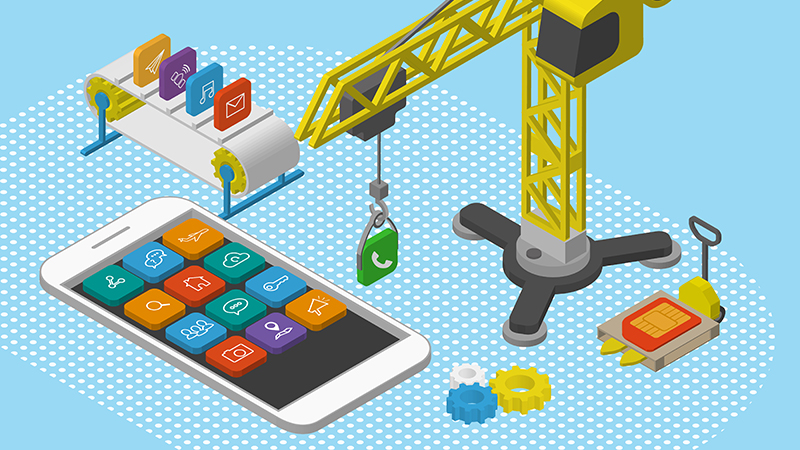
Why You Need Software Architecture
Planning to set up your own software project? That’s just dandy! But how prepared are you with your infrastructure? Before you dive into your project, make sure you have the necessary ingredients in terms of a foolproof design and architecture.
The good thing about having viable software architecture in place is that it helps you identify risks early on in the process. Needless to say, getting an absolute infrastructure in place calls for in-depth technical know-how, which includes software coding and tools.
Software Architecture Classifications and Functionality
To dig a little deeper into the realm of software infrastructure, it’s an interwoven system of diverse components designed to perform specific functions.
There are four distinct types of software architecture from an enterprise point of view that can be classified into business, application, information, and information technology architectures:
Business architecture, as the term specifies, revolves around business strategy and noteworthy business functions within an entity or enterprise. It’s focused on the analysis and design aspect of a business process.
Application architecture is the core of individual application devices, managing their interactions with the business aspect of the organization.
Information architecture takes care of the logical and physical configuration and data services.
IT architecture is the hardware and software that form the entire information structure of the organization.
Things to Consider If You’re a Software Architect
If you’re a software professional or you’re on the way to becoming one, you’ll be the one to identify bottlenecks and suggest necessary upgrades in order to further your project on stable grounds. What’s more is that in the long run, you'll be reducing maintenance costs while also setting into motion strategic guidelines to manage complexity.

Benefits of Software Architecture
That being said, listed below are noteworthy benefits:
- Creates a robust platform for your software project.
- Allows room for necessary upgrades.
- Heightens the performance of your system.
- Remains cost-effective while managing duplication of codes.
- Analyzes IT factual and identifying areas of change to reduce costs.
- Maintains codes effectively using existing software.
- Allows for quick transformation time to meet constantly developing business demands.
- Brings heightened quality to software platform.
- Manages complexity efficiently.
- Speeds up the platform.
- Increases adaptability to technical features.
- Manages risks effortlessly.
- Facilitates active contact with stakeholders.
Having functional software architecture for your business can minimize costs to a great extent. This opens up possibilities for reuse rather than having to invest in expensive alternatives. Furthermore, a sound architecture gives you the ability to translate design endeavors to great heights.
If you hope to see your software project unfold to a successful finish, it’s crucial that you choose the right “architect” to do your business absolute justice. Why? That’s because only a seasoned software architect will see your requirement through from start to finish.
An effective way to analyze, reboot, and reuse your IT responsibilities is to view its overall structure and imbibe a vision. You need to take the onus of marketing this vision while also materializing it throughout the process making sure it meets a successful delivery.
Opinions expressed by DZone contributors are their own.
Comments