

Implementing Observability Data Stream Solutions in Corporate Settings for SLA Compliance
In this article, we will discuss in detail the importance of monitoring data stream applications and why it is critical for enterprises.
Join the DZone community and get the full member experience.
Join For FreeMonitoring data stream applications is a critical component of enterprise operations, as it allows organizations to ensure that their applications are functioning optimally and delivering value to their customers. In this article, we will discuss in detail the importance of monitoring data stream applications and why it is critical for enterprises.
Data stream applications are those that handle large volumes of data in real-time, such as those used in financial trading, social media analytics, or IoT (Internet of Things) devices. These applications are critical to the success of many businesses, as they allow organizations to make quick decisions based on real-time data. However, these applications can be complex, and any issues or downtime can have significant consequences.
By monitoring data stream applications, enterprises can proactively identify and address issues before they impact the business. This includes identifying performance issues, detecting errors and anomalies, and ensuring that the application is meeting its service level agreements (SLAs). Monitoring also allows organizations to track key metrics, such as data throughput, latency, and error rates, and to make adjustments to optimize the application's performance.
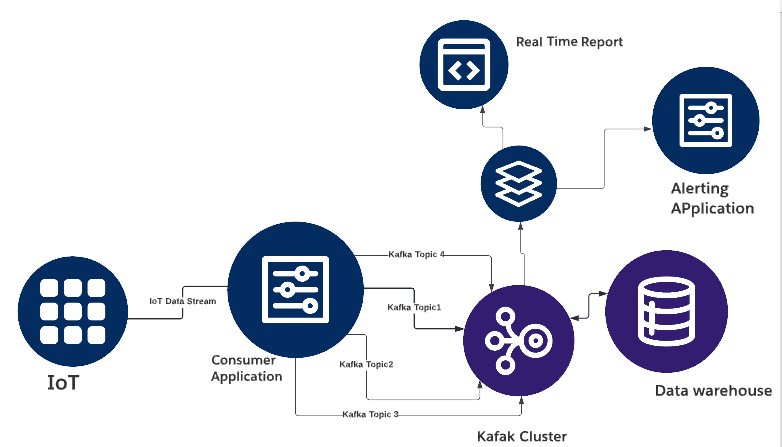
Reference data steam system: Unlocking the Potential of IoT Applications.
In addition to these benefits, monitoring data stream applications is critical for ensuring regulatory compliance. Many industries, such as finance and healthcare, have strict regulations governing data privacy and security. By monitoring these applications, organizations can ensure that they are meeting these regulatory requirements and avoid costly fines and legal penalties.
Another key benefit of monitoring data stream applications is that it allows organizations to optimize their infrastructure and resource usage. By monitoring resource utilization, enterprises can identify areas of inefficiency, such as overprovisioned resources or bottlenecks, and make adjustments to improve performance and reduce costs.
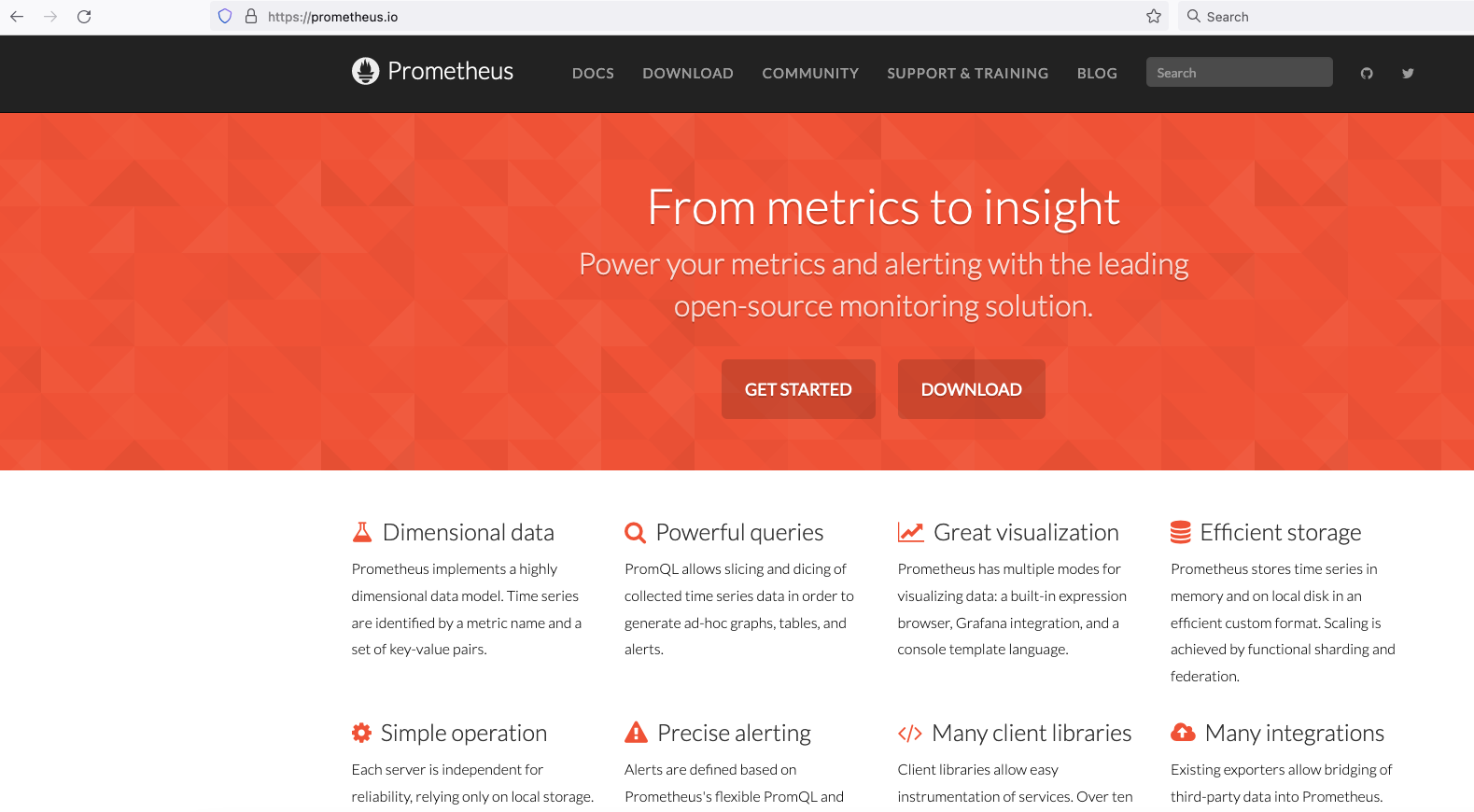
Prometheus: Prometheus is an open-source monitoring system that is designed for collecting and querying time-series data. It can be used to monitor metrics from a variety of sources, including data stream applications. Prometheus provides a range of tools for data visualization and alerting and integrates with a variety of popular tools and platforms.
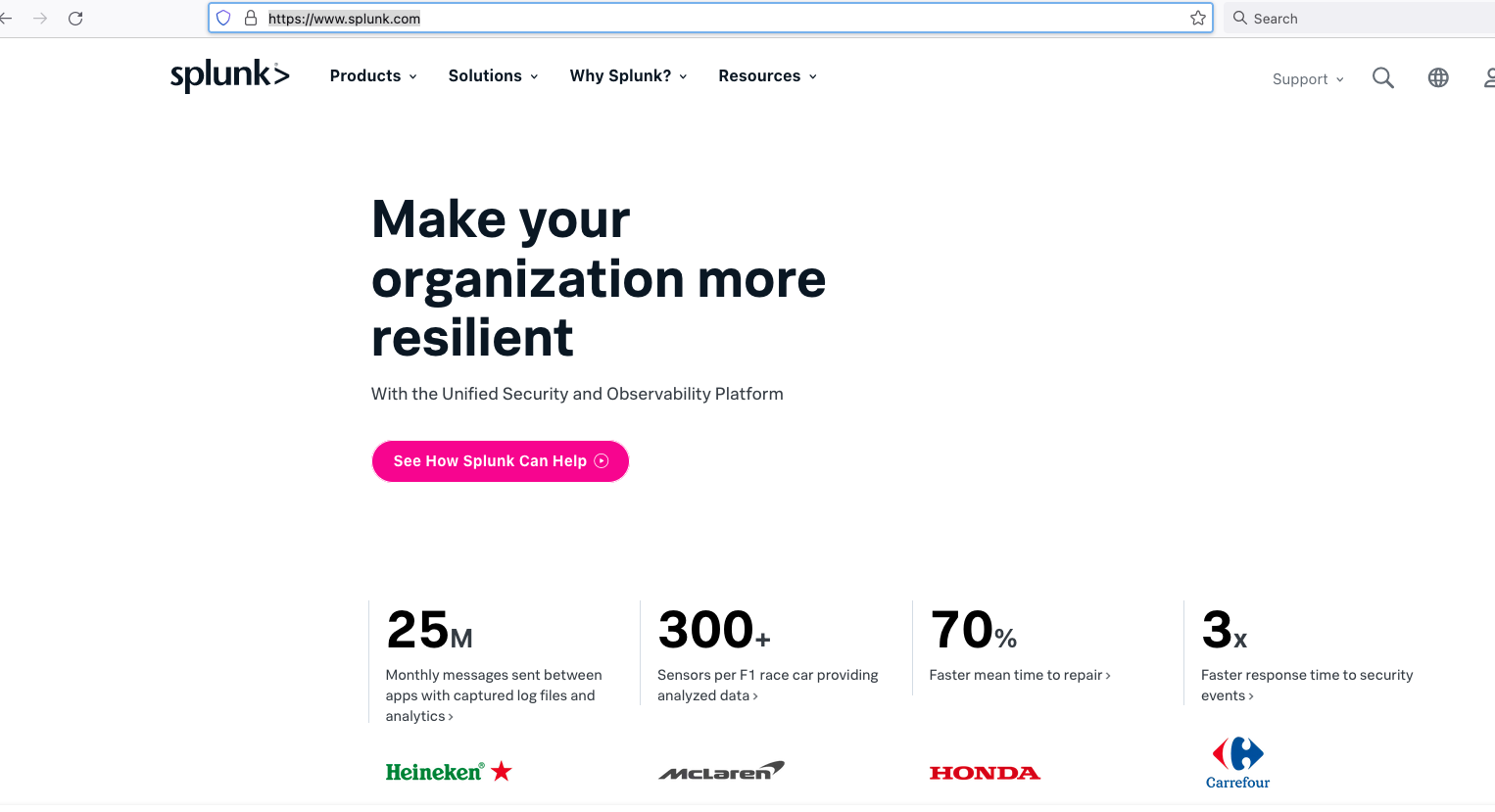
Splunk: Splunk is a popular data analytics and monitoring platform that can be used to monitor data stream applications. It provides real-time monitoring and alerting and can be used to track metrics such as data volume, latency, and error rates. Splunk also includes a range of machine learning and data analysis tools that can be used to identify anomalies and optimize performance.
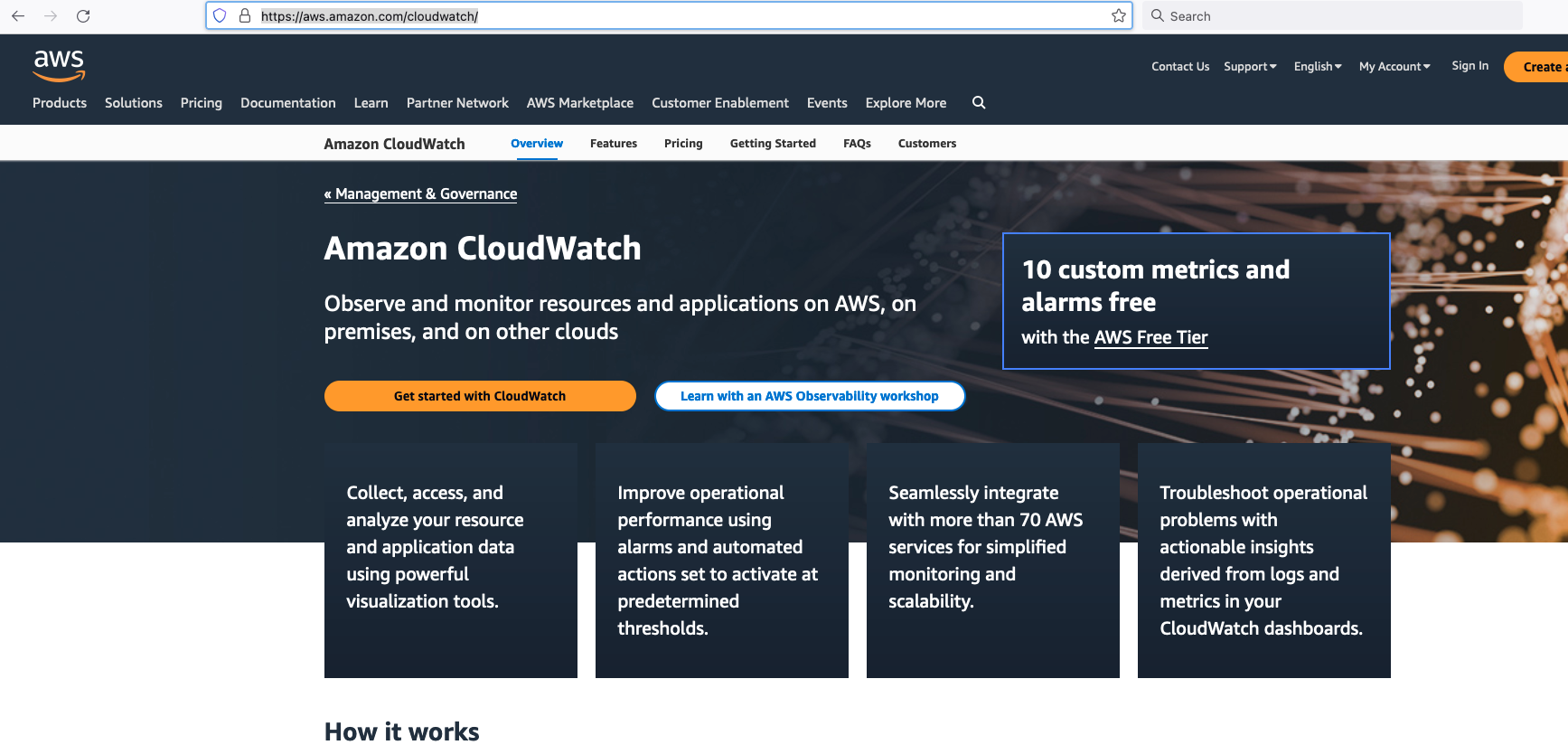
Amazon CloudWatch: Amazon CloudWatch is a monitoring and management service offered by Amazon Web Services (AWS). It can be used to monitor a variety of AWS resources, including data stream applications running on AWS. CloudWatch provides a range of metrics, logs, and alerts and can be integrated with other AWS tools, such as AWS Lambda. if your data streams running from AWS CloudWatch is the best option.
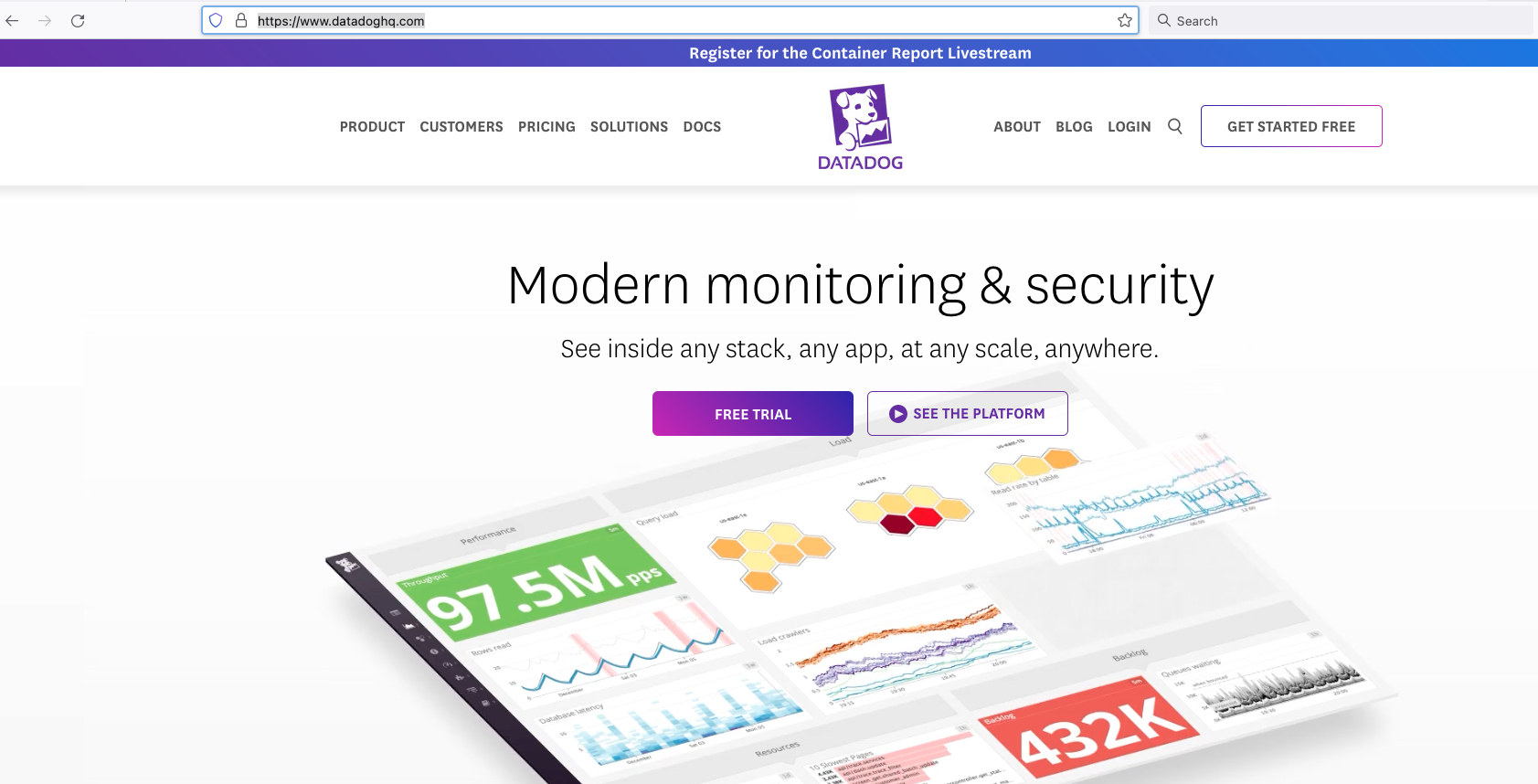
DataDog: DataDog is a cloud-based monitoring and analytics platform that can be used to monitor data stream applications. It provides real-time monitoring and alerting and can be used to track a wide range of metrics, including data volume, latency, and error rates. DataDog also includes a range of visualization and collaboration tools that can be used to improve communication and collaboration across teams.
Finally, monitoring data stream applications is critical for maintaining customer satisfaction. In today's fast-paced, digital world, customers expect instant responses and seamless experiences. Any issues or downtime can have a significant impact on customer satisfaction and brand reputation. By proactively monitoring these applications, organizations can ensure that their customers are receiving the expected level of service and address any issues quickly and efficiently.
In conclusion,Observability in data stream applications is critical for enterprise success. It allows organizations to proactively identify and address issues, ensure regulatory compliance, optimize resource utilization, and maintain customer satisfaction. By investing in monitoring tools and processes, enterprises can ensure that their applications are delivering value to their customers and stay ahead of the competition in today's fast-paced digital landscape.
Opinions expressed by DZone contributors are their own.
Comments