

AI-Powered Data Integrity for ECC to S/4HANA Migrations
Ensure accurate SAP ECC-to-S/4HANA migrations with an AI-powered framework for automated data validation, reconciliation, and real-time insights.
Join the DZone community and get the full member experience.
Join For FreeAbstract
Migrating millions of data after the extraction, transformation, and loading (ETL) process from SAP ECC to S/4HANA is one of the most complex challenges developers and QA engineers face today. The most common risk in these projects isn’t the code; it is data integrity and trust. Validating millions of records across changing schemas, transformation rules, and supply chain processes is vulnerable to error, especially when handled manually.
This article introduces a comprehensive AI-powered end-to-end data integrity framework to reconcile the transactional data and validate millions of master data records and transactional record integrity after migration from ECC to S/4HANA.
The framework combines schema mapping, natural language prompts to SQL generation, an LLM-based solution, a data integrity tool for large-scale data reconciliation, cloud-based test data management, and real-time Power BI dashboards. Through real-time use cases, SQL snippets, and visual workflows, this tutorial shows step-by-step integration on how developers can reduce validation effort by over 60% and gain real-time visibility into migration data quality.
Introduction
SAP is sunsetting ECC support in 2027, which means most enterprises are moving to S/4HANA. It's a challenge for organizations, developers, testers, and architects to get this migration with accuracy and reliability of data. This migration is not just a database upgrade; It is a complex transformation of the data of ERP data models, schemas, and validation logic.
The challenge:
- Millions of transactional and master data records need to be reconciled.
- ECC v/s S/4HANA field structures aren’t 1:1.
- Manual reconciliation is slow, error-prone, and expensive.
This tutorial shows how to implement an AI-powered end-to-end data integrity framework to validate and reconcile ECC-to-S/4HANA migrations.
Why Developers Should Care About Data Integrity
When enterprises migrate enterprise resource planning (ERP) systems from SAP ECC to S/4HANA, the technical dependencies are on developers and data QA engineers. The migration involves millions of records: customer data, material masters, financial transactions, and supply chain routes. If even a small percentage fails to reconcile correctly, the downstream issues can break reporting, compliance, or even halt production.
For developers, the challenge is not just data volume or schema mismatch; it is the translation gap between business rules and system schemas. Business users feel comfortable in saying requirements in plain English, like “Compare customer realignment between Sales Org 101 and 102.” Developers then have to translate that into SQL queries with joins and transformation rules between ECC and S/4HANA across multiple tables (KNA1, KNVV, KNVP, etc.), but doing this manually at scale is time-consuming, repetitive, and error-prone.
Understanding SAP Shift ECC to S/4HANA
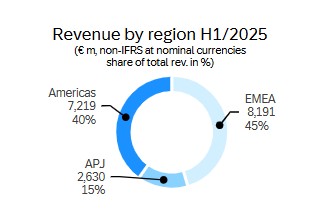
SAP mentioned its revenue is around $37 billion globally. Most of the clients are planning to modernize their ERP system from ECC to S/4HANA to simplify their product portfolio and push customers toward a modern, cloud-ready platform that can keep up with the latest edge technology, including AI solutions.
ECC was built decades ago, designed for disk-based databases with traditional business processes. Today, it has become complex, heavy, and costly to maintain, with thousands of tables, aggregates, and customizations.
|
Area |
SAP ECC |
SAP S/4HANA |
|
Database |
Runs on many databases (Oracle, IBM, MS SQL, etc.) |
Runs only on SAP HANA (in-memory, real-time) |
|
Speed |
Slower, batch-driven reports |
Much faster with in-memory computing |
|
User Experience |
Old-style SAP GUI |
Modern SAP Fiori apps (mobile-friendly) |
|
Data Model |
Complex, lots of tables & duplicates |
Simplified (fewer tables, cleaner structure) |
|
Analytics |
Often needs external BI tools |
Built-in real-time analytics |
|
Deployment |
On-premise only |
Flexible: On-premise, Cloud, or Hybrid |
|
Support |
Ends by 2027 (extended premium till 2030) |
SAP’s future platform with ongoing updates |
Step-by-Step Framework Setup
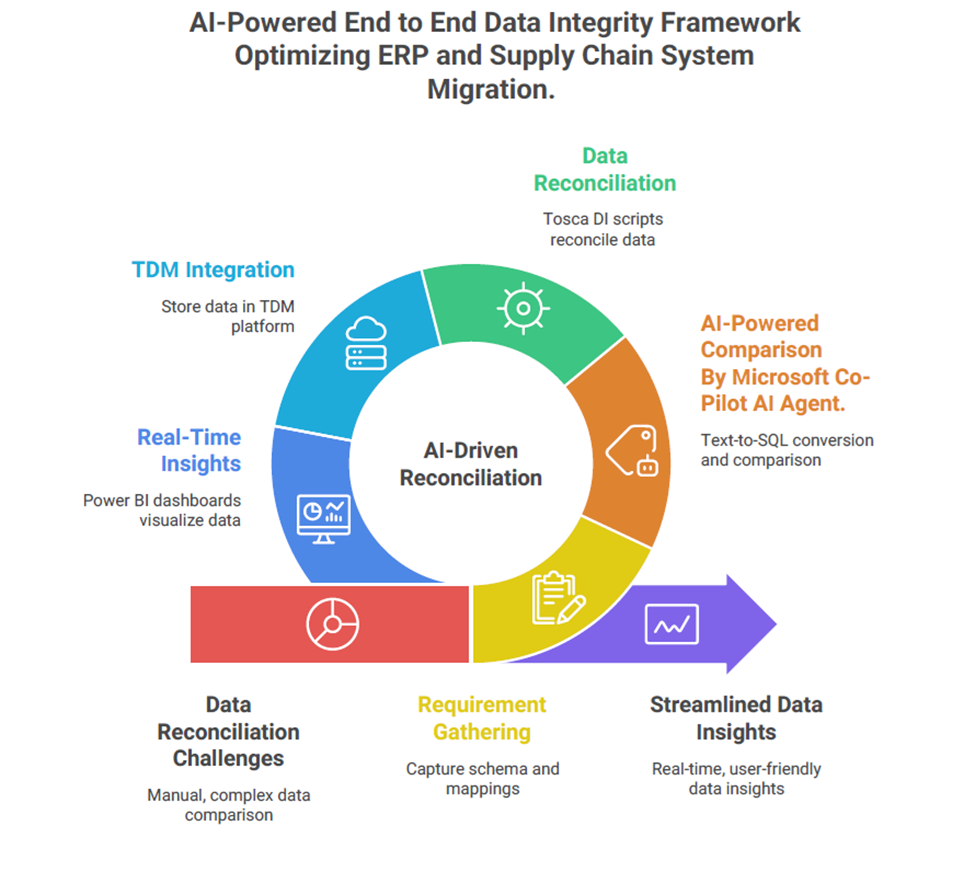
Step 1
Set up schema mapping.
| Primary key | ecc table | ecc field | description | s/4 hana table | s/4 hana field | notes |
|---|---|---|---|---|---|---|
| Yes | KNA1 | KUNNR | Customer number | BusinessPartner | CUSTOMER_ID | Mapped to the new business partner model |
| Yes | KNVV | VKORG | Sales organization | SalesOrgo | SALES_ORG_ID | Sales org mapped to standardized ID |
| No | LFA1 | LIFNR | Vendor number | Supplier | SUPPLIER_ID | LFA1 merged into supplier view |
| No | VBAK | VBELN | Sales document | SalesOrder | ORDER_ID | Sales doc enhanced with new fields |
| No | BKPF | BELNR | Accounting document number | AccountingDoc | DOC_ID | Document format modernized |
Capture ECC vs. S/4HANA field mappings in an Excel template and identify the primary or referential key to be used on SQL queries. This also takes care of the field that needs to be compared, but they have different names in ECC and S/4HANA.
-- ECC fields
SELECT KUNNR, NAME1, ORT01 FROM KNA1 WHERE ...
-- S/4HANA equivalent
SELECT CustomerID, Name, City FROM BusinessPartner WHERE ...Example: KUNNR (ECC) is equivilant to CUSTOMER_ID (S/4HANA)
Step 2
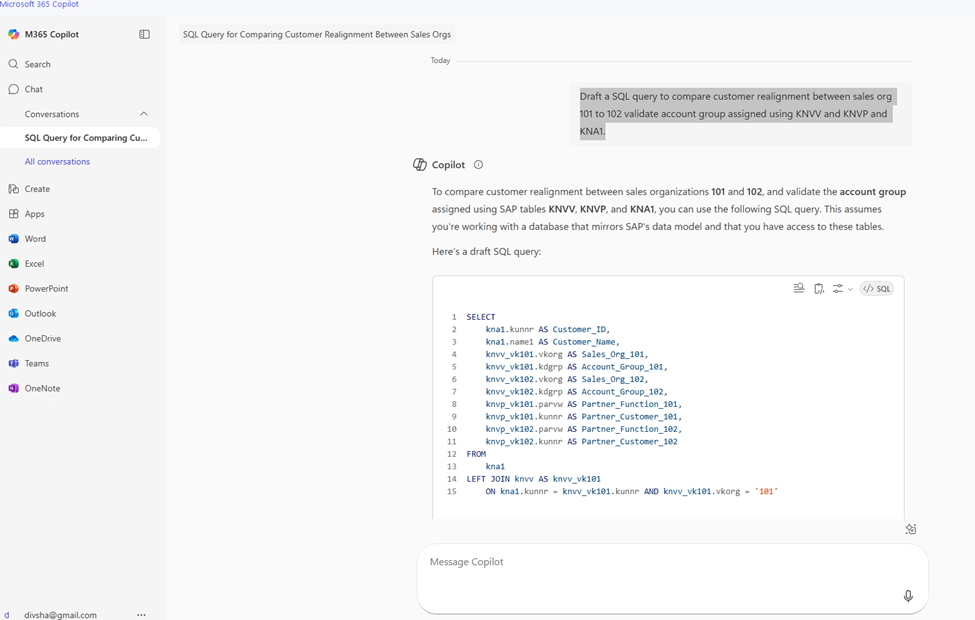
Configure AI agent, Microsoft Copilot, or OpenAI for converting business prompt-to-SQL to reconcile data between ECC and S/4HANA.
How to configure the ChatGPT AI Agent is explained in another tutorial article. The reference is here.
- Input: A business requirement in plain English into an AI agent to convert into efficient SQL using text-to-SQL LLM models.
- Output: Executable and efficient SQL with Joins and field transformation generated by an AI agent.
- Example prompt: “Compare customer realignment between Sales Org 101 and 102 using KNVV, KNVP, and KNA1.”
- Output query:
SQL
SELECT
    kna1.kunnr,
    kna1.name1,
    knvv_vk101.vkorg AS Sales_Org_101,
    knvv_vk102.vkorg AS Sales_Org_102
FROM kna1
LEFT JOIN knvv AS knvv_vk101
    ON kna1.kunnr = knvv_vk101.kunnr
   AND knvv_vk101.vkorg = '101'
LEFT JOIN knvv AS knvv_vk102
    ON kna1.kunnr = knvv_vk102.kunnr
   AND knvv_vk102.vkorg = '102';
Step 3
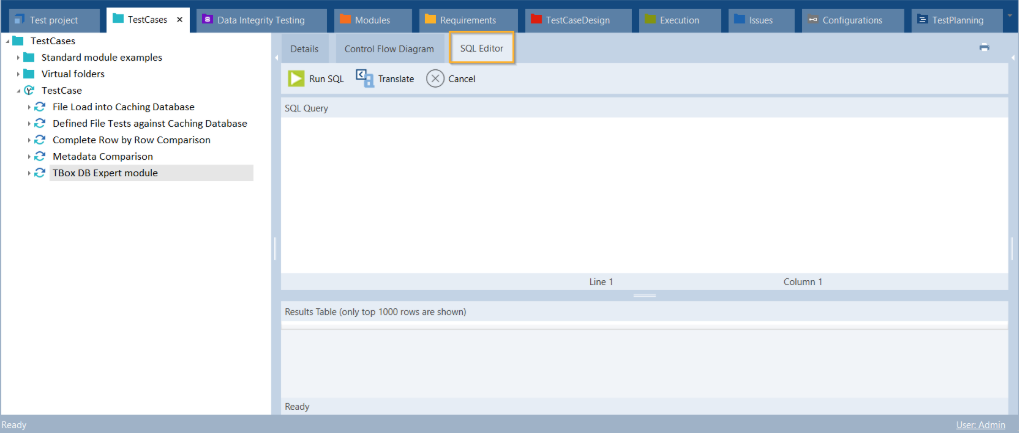
Enter the SQL into the SQL editor for both the source (ECC) and the target (S/4HANA).
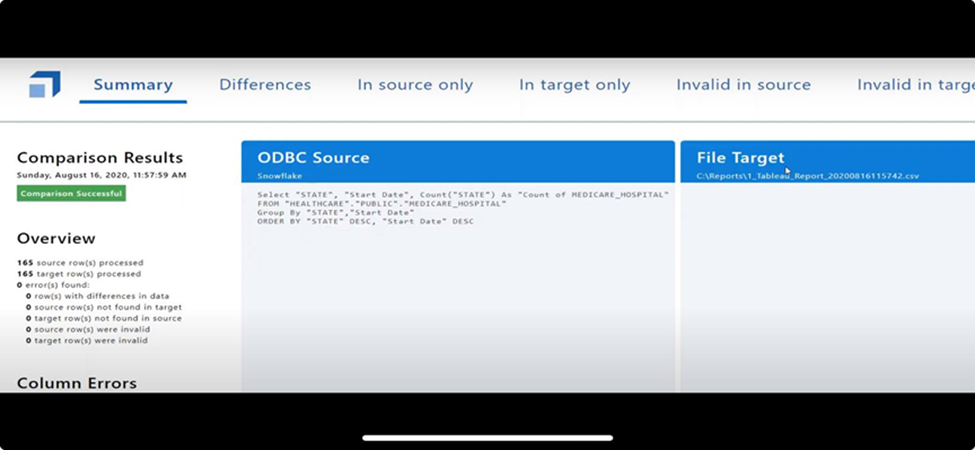
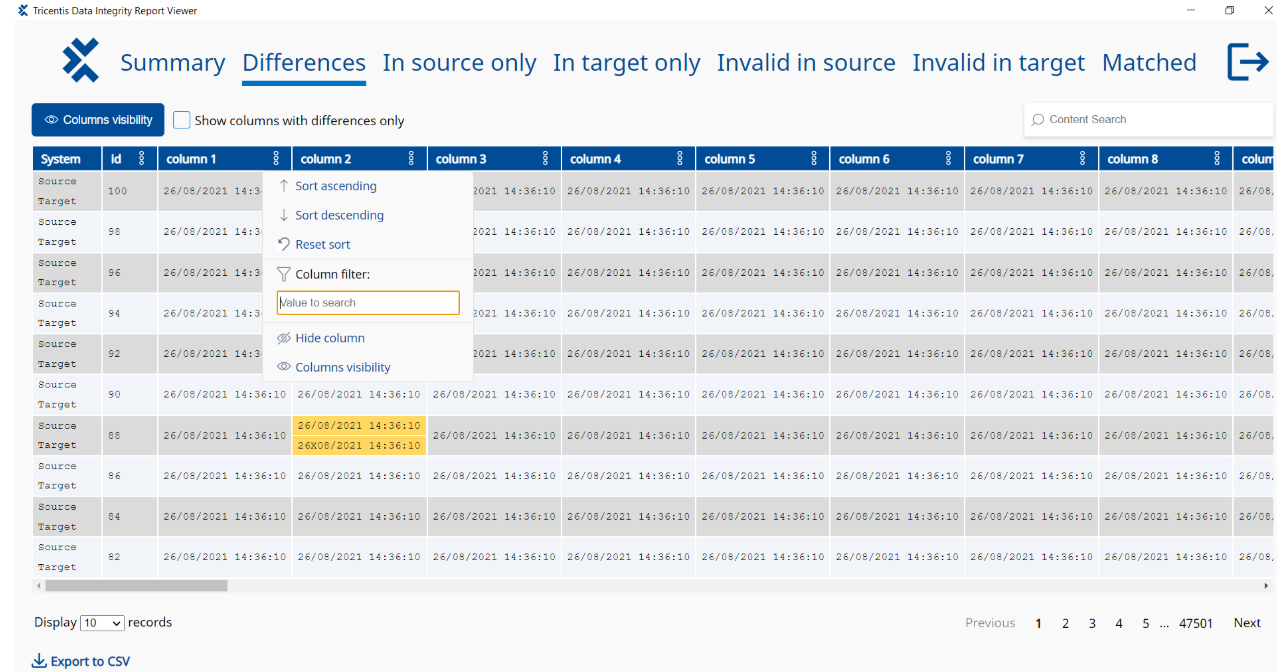
Tosca DI generates reports: Matches, Differences, In-Source-Only, In-Target-Only.
Step 4
Results are saved in cloud test data management (TDM), which can be accessed by stakeholders from anywhere, with real-time data insight provided.
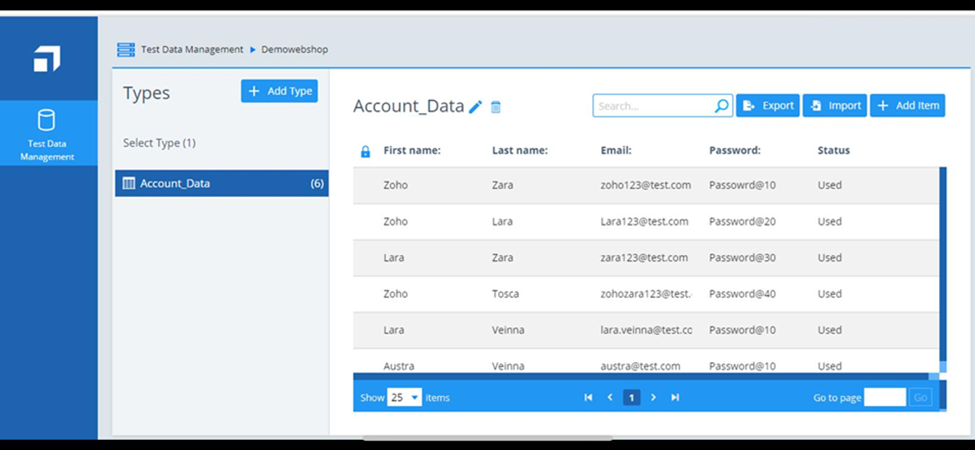
Teams can access and act on mismatches of data collaboratively.
Step 5
TDM results flow into dashboards. Configured a Power BI report with the TDM database and have a Power BI report dashboard displaying TDM data as a user-friendly dashboard. Reports to evaluate the data errors and make decisions quickly to fix to save revenue loss.
Developers and business stakeholders see an integrity check in real time.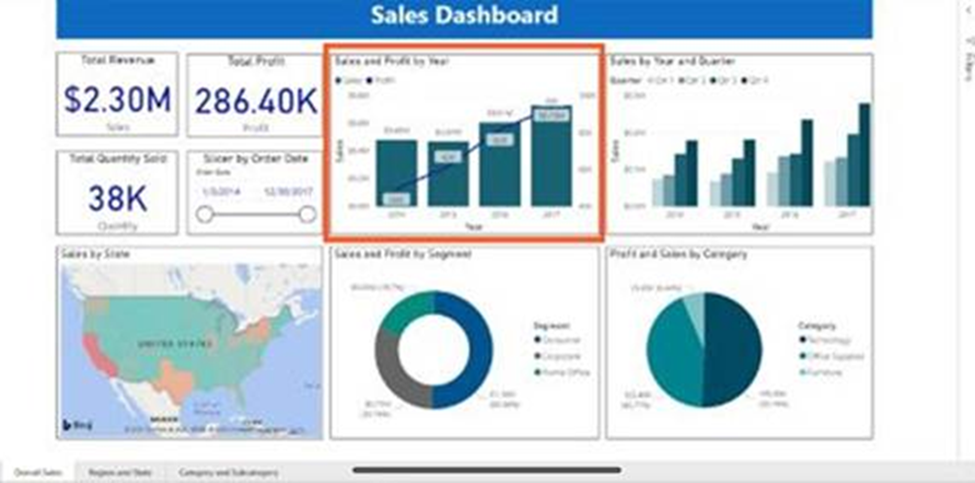
Developer Takeaways
Why should developers implement this framework instead of sticking to traditional reconciliation scripts?
- Shift-left validation
- With an AI-powered end-to-end data integrity framework, data mismatches are caught early in the pipeline.
- This reduces challenges during cutover weekends and makes validation part of the CI/CD workflow.
- Developers can integrate reconciliation steps into automated regression suites and validate data integrity all the time.
- AI-driven SQL generation
- Many developers working on ERP projects are not upskilled in SAP database knowledge.
- text-to-SQL LLM used to convert a plain English business prompt like “Compare vendor bank details between ECC and S/4HANA” generates optimized SQL automatically to an efficient SAP-specific SQL query for ECC and S/4HANA database.
- This shortens development time, prevents SQL errors, and allows engineers to focus on fixing logic rather than writing queries from scratch.
- End-to-end automation
- Traditionally, validation requires many iterations manually, including business users, developers, DBAs, testers, and report builders.
- Framework automates the entire chain, including Business prompt to SQL query to Tosca DI reconciliation reports to Cloud TDM reports, and displays results on Power BI dashboards.
- Developers get a repeatable pipeline rather than a collection of one-off scripts.
- Transparency across teams
- Results are not hidden in log files or local queries, as they are accessible from anywhere to anyone having access to the internet, as they are cloud-based.
- This reduces multiple email communications and meetings where developers explain “what the SQL query really did.”
- Friendly Power BI reports are self-explanatory and accessible via dashboards.
- Scalability and reliability
- Manual spot checks might validate a few hundred records, with a hard task to share all of the mismatches with business stakeholders.
- This Framework reconciles millions of records row by row and column by column to reconcile every cell of data.
- This gives developers confidence that migrations are tested at scale and that Data Migration is validated and trusted.
Use Case Spotlight
Automating SAP S/4HANA billing invoice reconciliation, integrating AI with Tosca DI with Power BI.
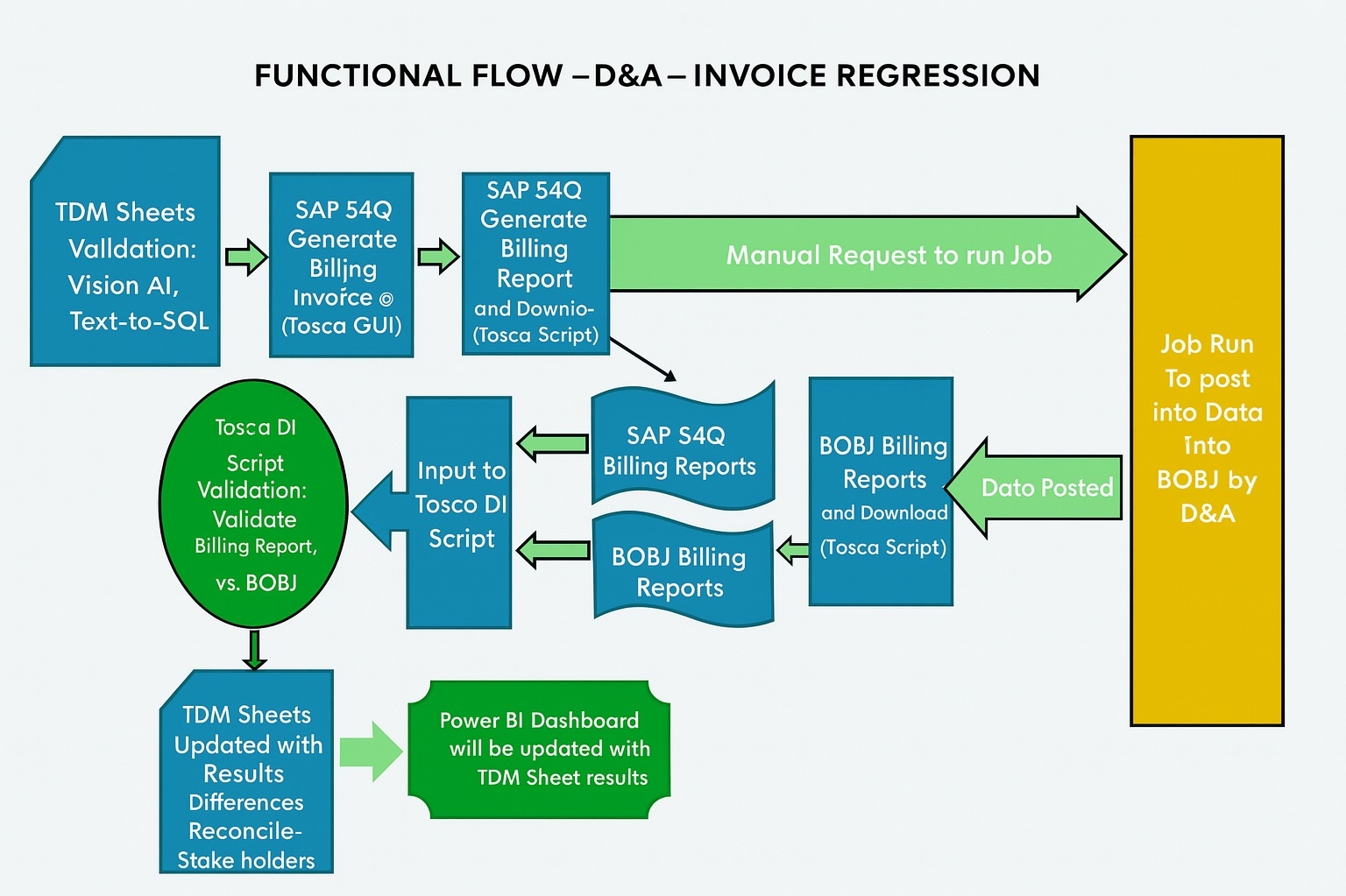
In leading enterprise transformations with millions of invoice generations, travel between systems is required to ensure smooth business sales, billing, and reporting for audits during ECC to S/4HANA migrations. This requires validating billing integrity across legacy and modern systems, which is a major challenge. This functional flow demonstrates how we built an AI-powered, end-to-end automation pipeline using Tosca DI, Vision AI, BOBJ, and Power BI to reconcile invoice data and eliminate manual regression testing efforts.
What It Solves
Manual billing validation is very tedious, time-consuming, and error-prone. We automated the comparison of SAP S/4HANA billing reports with BOBJ billing outputs to ensure data integrity and billing data trust between systems after downstream job runs. This framework catches mismatches early in invoices and billing documents for efficient audits.
Integrated Flow Summary
- TDM sheets: AI-powered validation begins with Vision AI and Text-to-SQL LLM-based AI agents generating validation prompts.
- SAP S/4HANA billing (Tosca GUI): Invoices are triggered via Tosca GUI automation.
- Billing reports: Tosca scripts generate and fetch reports from S4 and BOBJ.b Trigger: D&A team manually runs the job to update BOBJ data from S4 posting
- Data reconciliation:
- BOBJ and SAP S/4HANA billing reports are used as inputs to this framework to reconcile each entry in the reports for invoices.
- Data Validation is done at the row/column level across key metrics.
- TDM result update:
- Differences are logged, reconciled, and updated in central TDM sheets.
- Stakeholders are getting real data insight, including mismatches or exceptions.
- Power BI dashboard:
- Visualization layer updates in real-time data insight with validation outcomes, enabling stakeholders to make fast, data-driven decisions.
Glimpses of Market Trends and Results From Real Projects
In production use across retail and supply chain clients, DI Framework has shown measurable benefits:
- Validation effort reduced by 60%
- Go-live risks minimized
- Accelerated migration cycles
- Adoption beyond a single project
Conclusion
SAP migrations are among the most complex engineering challenges that developers will face in this decade. The shift from ECC to S/4HANA is not just about adopting an in-memory database; it's about transforming data to modernize ERP and integrated systems.
The most overlooked engineering problem in these projects is data integrity and data trust. This automation framework saves developers and testers from drowning in manual SQL, endless spreadsheets, and misaligned validation logic.
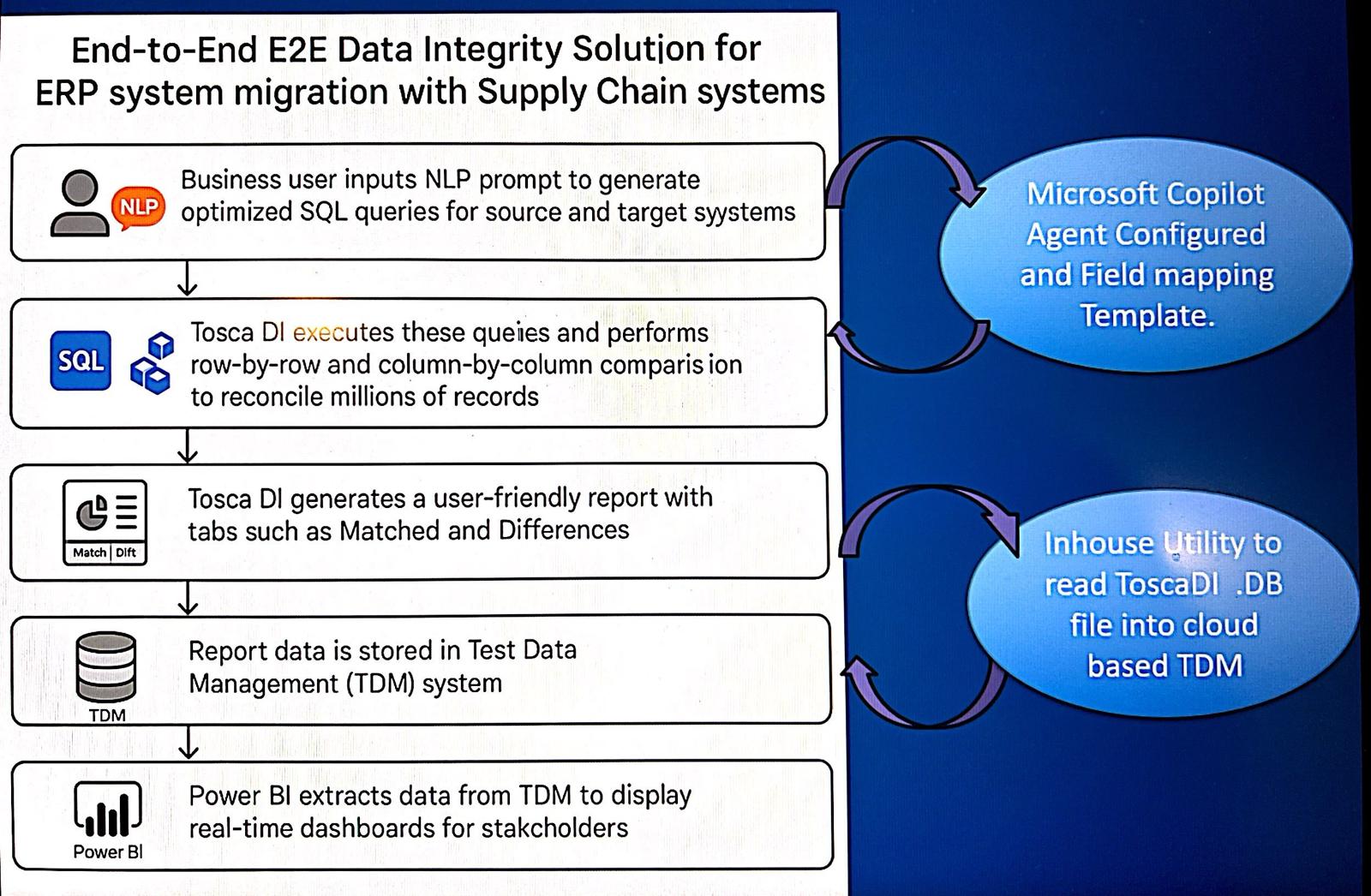
The framework features that are unique for the data integrity end-to-end solution:
- AI-driven SQL generation (to bridge the business-to-technical gap)
- Automated reconciliation with Tosca DI
- Centralized storage with TDM
- Real-time Power BI dashboards
Developers now have a repeatable, scalable workflow for ensuring data quality during ERP migrations. This is not just a conceptual model. It’s a tested, production-ready framework that has delivered real savings, reduced risks, and accelerated ERP projects in industries where data trust is non-negotiable.
Opinions expressed by DZone contributors are their own.
Comments