

Understanding AI-Driven Adaptive Consistency in Distributed Systems
Learn how AI-powered adaptive consistency allows distributed systems to flexibly balance consistency, availability, and performance in real time.
Join the DZone community and get the full member experience.
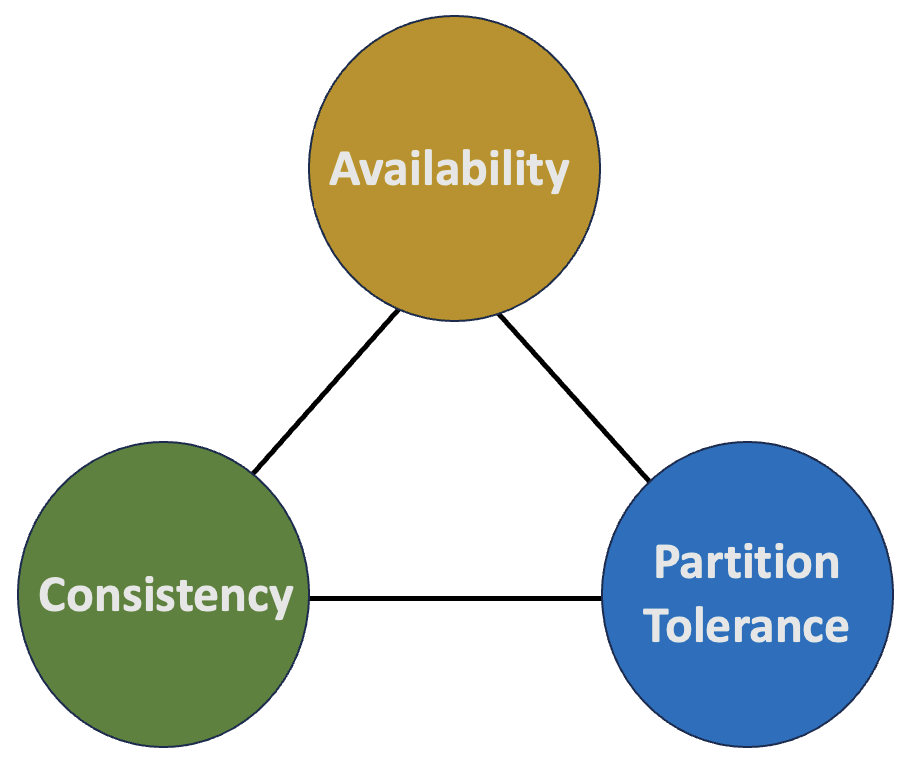
Join For FreeThe CAP theorem has long established a fundamental limit in distributed systems: they can only guarantee two out of three — Consistency, Availability, or Partition Tolerance (CAP). Traditionally, this limitation forces architects to choose a static model based on the system’s primary objectives. However, recent advancements in AI open up the possibility of adaptive consistency models that shift dynamically to maintain optimal performance under varying conditions. This article explores how AI, particularly reinforcement learning (RL), can be harnessed to allow distributed systems to move along the CAP spectrum in real time, providing flexible, intelligent trade-offs that suit current conditions.
Consider a global social media platform with users accessing it from diverse locations. During peak hours, an AI-driven adaptive model could choose to relax consistency in regions experiencing heavy loads to ensure availability while maintaining stronger consistency in areas with lower traffic. This real-time adaptability optimizes both user experience and resource use, demonstrating the promise of adaptive consistency.
Key Concepts and the Need for Adaptation
Understanding the CAP Theorem
A foundational principle in distributed systems, the CAP theorem's rigid constraints often leave systems with fixed trade-offs. For instance, critical systems like financial transactions often rely on strong consistency, while high-volume applications, like social media, opt for eventual consistency for performance gains. Yet, static consistency models can be suboptimal as workload patterns and network conditions shift. Traditional distributed databases such as Cassandra or DynamoDB exemplify these trade-offs, with eventual consistency often favored to maximize availability.
Static Models vs. Adaptive Consistency
Unlike traditional systems that fix a consistency level, adaptive models enabled by AI can transition between strong, eventual, and other intermediate consistency levels based on current conditions, user demand, or risk factors. For example, a strong consistency model may be feasible during low-load periods, while peak-demand periods might necessitate relaxing to eventual consistency to maintain availability.
Dynamic Adjustment of Consistency Levels With RL
AI-driven adaptive models typically rely on RL to manage consistency dynamically:
Monitoring and Sensing System States
RL algorithms can be implemented to monitor real-time system metrics, such as latency, request volume, and partition events. This monitoring is typically handled by connecting the RL agent to tools like Prometheus to track essential metrics. By adjusting consistency levels based on these inputs, the system adapts without human intervention.
Policy-Based Consistency Switching
Policies can dictate the system’s response in specific scenarios. For example, under high latency or partitioning conditions, the system can choose to temporarily relax consistency, prioritizing availability, then revert to strict consistency when stability returns.
- Example: In an e-commerce platform, RL-based policies could detect high traffic during a flash sale and lower consistency requirements to allow quick updates to product availability, returning to strict consistency as traffic normalizes.
Below is a simple RL policy example that shows a decision process to handle high-traffic situations by relaxing consistency until the load subsides:
def rl_policy(decision_inputs):
    if decision_inputs['latency'] > 300 and decision_inputs['traffic'] == 'high':
        return 'eventual_consistency'
    elif decision_inputs['latency'] <= 300:
        return 'strong_consistency'
This policy enables the system to flexibly adjust consistency based on real-time conditions, improving both performance and resource allocation.

Real-Time Trade-off Balancing Using AI
AI enhances traditional models by continuously optimizing trade-offs:
Reinforcement Learning for Dynamic Decision-Making
RL agents evaluate the real-time status of each node or partition and balance the CAP trade-offs accordingly. For instance, detecting that a particular partition is under strain could trigger relaxed consistency until the node recovers, thereby preventing cascading failures.
Machine Learning Models for Predictive Balancing
Beyond real-time adaptation, ML models can be used to anticipate shifts in demand or detect anomalies like network instability, enabling the system to preemptively adjust its consistency model.
- Example: If an RL agent detects an increase in request volumes during a flash sale, it can relax consistency requirements before the load peaks, preventing slowdowns and optimizing throughput.
-
Case Study: In blockchain, AI can help manage the delicate balance between consensus speed and security. During periods of low activity, consensus could be expedited for higher throughput, while security measures strengthen during suspected attacks, dynamically adjusting the consistency as needed.
Use Cases for Adaptive Consistency Models
E-Commerce Systems
For high-demand events like flash sales, adaptive consistency models allow systems to relax constraints temporarily, facilitating quicker order placements and inventory updates even if some consistency is sacrificed momentarily. This approach improves customer experience by preventing outages due to server overloads while still prioritizing accuracy during standard operations.
Blockchain Architectures
Blockchain systems traditionally prioritize high consistency, which limits transaction throughput. AI-driven adaptive consistency can dynamically adjust consensus protocols to strike a balance between throughput and security, especially during network congestion or potential security threats. By doing so, blockchain systems can achieve a flexible CAP balance based on real-time analysis.
Flexible CAP Trade-Offs
AI enables distributed systems to move beyond a fixed CAP position by adapting to real-world conditions. By constantly monitoring system status, AI helps distributed systems choose different points along the CAP spectrum:
Real-Time Flexibility
Instead of locking into a single trade-off, systems can adjust depending on workload, network conditions, and business needs. For example, during times of stability, a higher level of consistency can be achieved without compromising availability.
Cost-Efficiency and Resource Management
Systems that adapt to varying consistency requirements can minimize the resource consumption associated with strong consistency, making them more efficient and cost-effective.
From a technical perspective, implementing adaptive consistency models requires integrating RL frameworks like TensorFlow Agents or PyTorch Reinforcement into distributed systems to manage consistency parameters dynamically. Developers can set thresholds for latency, partition health, or other metrics, with the RL agent choosing the best trade-off based on current conditions.
Conclusion
The application of AI to adaptive consistency models in distributed systems marks a paradigm shift from static to dynamic CAP management. By allowing systems to flexibly adjust consistency settings based on real-time conditions, we can maximize availability, scalability, and performance without compromising core principles. As AI-driven adaptive consistency models evolve, they will be instrumental in building resilient, high-performing distributed architectures capable of adapting seamlessly to any environment. Future research in this area may explore combining adaptive consistency with predictive load balancing for even greater resilience and efficiency in distributed systems.
Opinions expressed by DZone contributors are their own.
Comments