

Building Real-Time KPI Intelligence with Self-Service BI: From Static Dashboards to Proactive Control Systems
This article explains how to build real time, self service KPI intelligence that shifts teams from passive reporting to proactive, automated decisions.
Join the DZone community and get the full member experience.
Join For FreeIn today's fast-paced, data-driven world, Key Performance Indicators (KPIs) are the backbone of smart decision-making, whether for day-to-day operations or planning for the future. They indicate business health, highlight areas of efficiency, and reveal opportunities for growth.
But here’s the catch — even with all the sophisticated BI tools available, many organizations still encounter roadblocks. Issues take too long to resolve, performance trends are often unclear, and teams frequently rely on IT for even minor adjustments.
The real problem isn’t the volume of data but how it is used. Traditional KPI systems were designed for historical reporting, not for delivering real-time, actionable insights — and that’s what modern organizations need.
Why Traditional KPI Systems Fall Short
Conventional KPI setups remain heavily oriented toward periodic reporting and retrospective analysis rather than live, actionable intelligence. They are typically engineered for scheduled data refreshes, end-of-period reviews, detailed historical breakdowns, and static dashboards. This outdated approach leads to several common challenges:
- Performance reviews and insights occur only after significant deviations, prompting reactive rather than preventive measures.
- Alert mechanisms, when present, are inflexible, predefined, and hard for non-technical users to configure.
- Business users often wait on IT teams to implement minor changes, such as updating metric definitions or thresholds.
- Dashboards frequently fail to reflect rapidly evolving conditions, creating outdated views that misalign with current realities.
These shortcomings are particularly critical in time-sensitive industries such as financial trading, risk management, e-commerce, customer support, supply chain logistics, and enterprise performance management, where even small delays can result in financial losses, eroded customer trust, or missed opportunities.
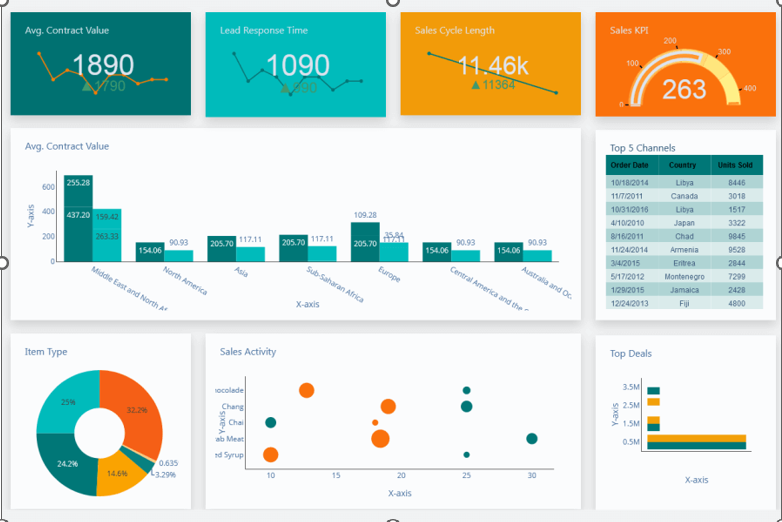
(Figure 1: Real-world examples of modern real-time KPI dashboards in business intelligence environments, showcasing integrated data views across multiple metrics and visualizations)
The Shift: KPI Monitoring as a Continuous Control System
Forward-thinking organizations are moving toward KPI monitoring as an always-active, continuous control system rather than a passive reporting layer. This approach reimagines the entire data lifecycle — from ingestion and integration through analysis, visualization, alerting, and facilitated action.
A robust, real-time KPI intelligence system rests on five interconnected pillars, each addressing limitations of legacy systems while enabling proactive operational excellence.
1. Unified Data Integration Across the Enterprise
Effective real-time KPI monitoring starts with seamless access to diverse data sources. Instead of relying on siloed repositories, modern platforms connect and harmonize operational databases, cloud services, core enterprise applications (CRM, ERP, financial systems), external APIs, third-party providers, and streaming feeds.
Aggregating both structured and unstructured data into a single layer eliminates silos, resolves inconsistencies, and ensures KPIs are calculated using the most accurate, up-to-the-minute operational data.
Outcome: A single, authoritative source of truth for performance metrics.
2. Self-Service KPI Definition for Business Users
Traditional analytics often bottleneck KPI creation with centralized control. Modern systems empower business users to build, refine, and evolve KPIs through intuitive, no-code interfaces. Users can adjust calculations, set dynamic thresholds, modify aggregation levels, and adapt metrics to changing priorities.
Built-in governance ensures consistency, prevents errors, and maintains audit trails without constant IT involvement.
Outcome: Faster metric iteration, stronger alignment between strategy and execution, and smoother analytics adoption.
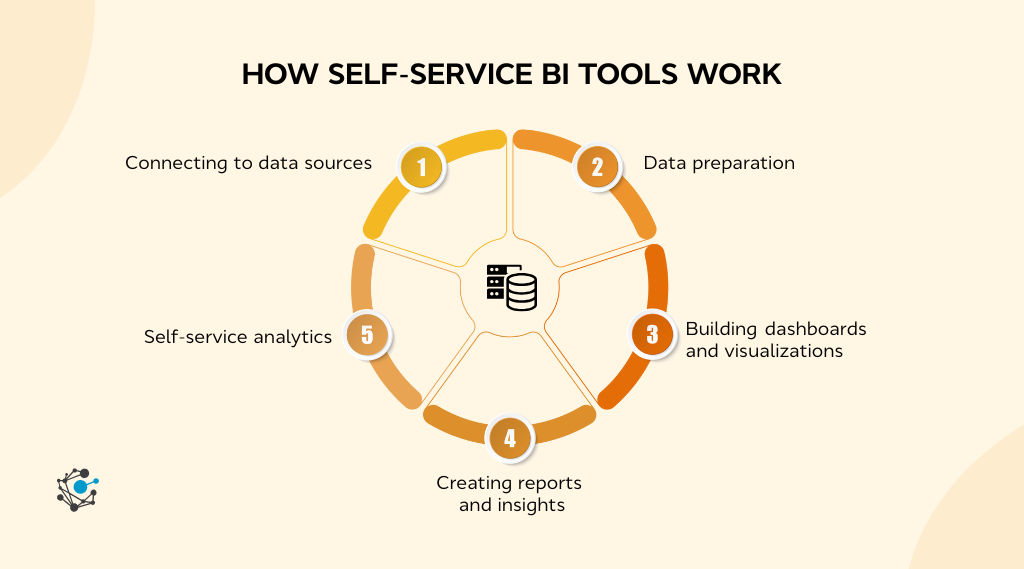
(Figure 2: Intuitive self-service BI interfaces enabling non-technical users to define, configure, and fine-tune KPIs and thresholds independently)
3. Real-Time Data Processing and Intelligent Analysis
Collecting data alone isn’t enough. Value emerges when streams are processed continuously and analyzed intelligently. Modern systems perform on-the-fly aggregations, detect patterns, forecast trends, and automatically flag anomalies — often before issues escalate.
Outcome: Stakeholders can make proactive, forward-looking decisions instead of reacting to past events.
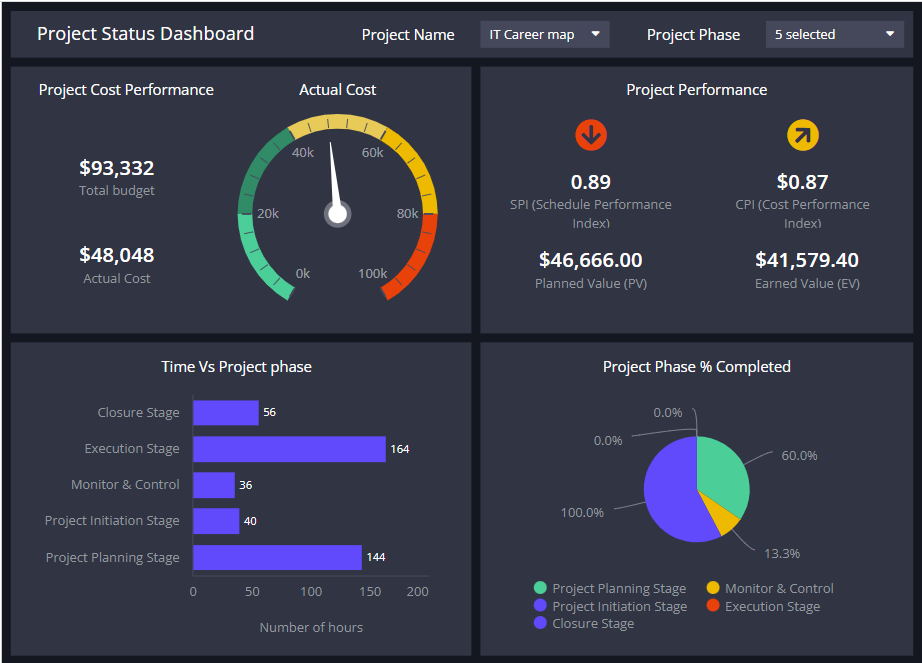
(Figure 3: Real-time analytics dashboards demonstrating anomaly detection, trend highlighting, and intelligent pattern recognition in live data streams)
4. Dynamic Dashboards That Reflect Live Performance
Dashboards are most effective when they evolve from static snapshots to interactive operational control centers. Real-time KPI systems provide automatic refreshes, interactive visualizations (charts, gauges, heat maps, geographic overlays), and drill-down capabilities to explore root causes immediately.
This transformation turns dashboards into intuitive command centers where leaders and teams can monitor performance at a glance and investigate details on demand.
Outcome: Improved situational awareness, faster comprehension of complex data, and more confident decision-making.
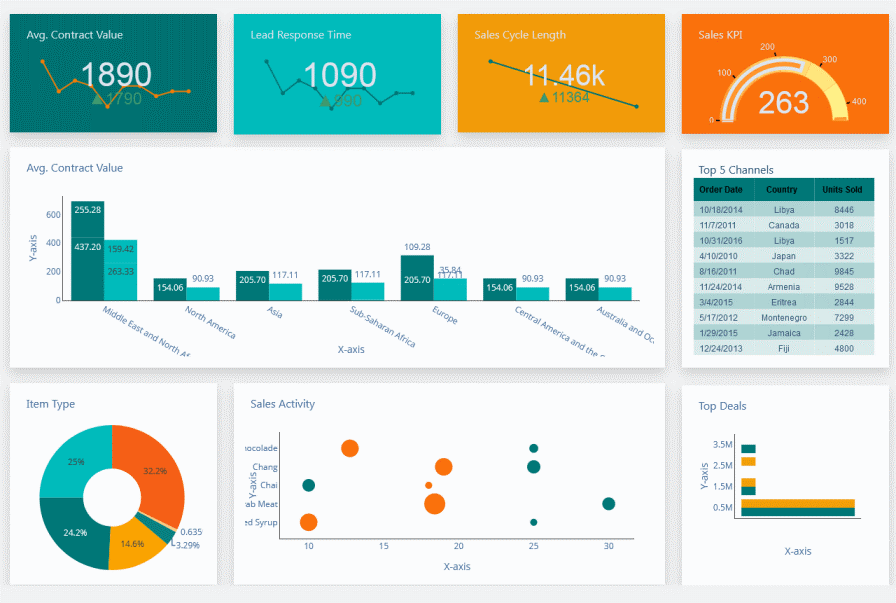
(Figure 4: Dynamic, live-updating KPI dashboards featuring a variety of charts, gauges, heatmaps, and interactive elements)
5. Automated Alerts That Drive Action
Advanced KPI systems proactively push information rather than relying on users to pull it manually. Automated alerting engines enable stakeholders to define thresholds, detect anomalies, and receive notifications via email, Slack, Teams, SMS, mobile push, or in-app messages. Alerts can include contextual details, dashboard links, and recommended actions, ensuring rapid, informed responses regardless of the recipient's location or device.
Outcome: Shorter response times, reduced risk of oversight, and minimized business impact.
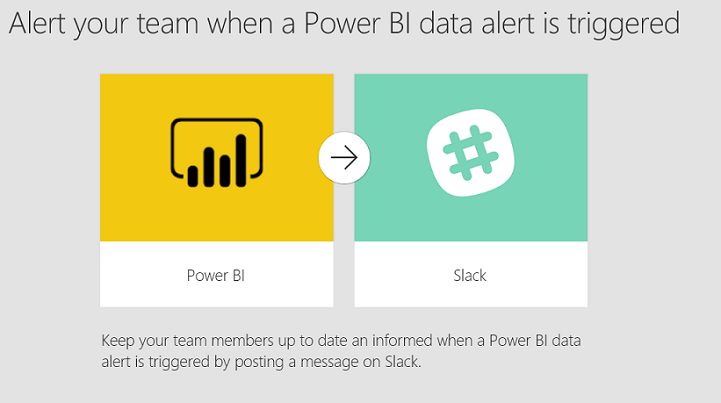
(Figure 5: Practical examples of automated BI alerts integrated with Slack, email, and mobile notification systems)
Governance, Security, and Collaboration
As self-service access expands, strong governance is essential to protect sensitive information and maintain data integrity. Modern platforms include role-based access controls (RBAC), audit logs, version control, approval workflows, and centralized data lineage management. Collaboration tools allow teams to comment, share insights, assign follow-ups, and align on decisions — all within a secure environment.
Outcome: Scalable analytics adoption with enterprise-grade security and compliance.
Business Impact of Real-Time KPI Intelligence
Organizations that implement real-time KPI intelligence achieve measurable benefits:
- Faster detection and mitigation of operational risks
- Reduced backlog of analytics requests for IT
- Broader adoption of BI tools among business units
- Tighter alignment between KPIs and actual business outcomes
KPI monitoring moves beyond backward-looking reporting to become a strategic capability that drives execution excellence and competitive differentiation.
Final Perspective
Static dashboards and isolated alerts cannot drive informed decisions. Real KPI intelligence emerges when real-time ingestion, self-service configuration with governance, intelligent analysis, dynamic visualization, and proactive alerting work together as a unified system.
In a world of constant change, effective KPI monitoring must evolve from passive visibility into an active, indispensable participant in how organizations operate, adapt, and thrive.
Opinions expressed by DZone contributors are their own.
Comments