

Secure Microservices in Java: Cloud-Native Design With Zero Trust Architecture
Java-based microservices power scalable, cloud-native applications. Address its rising security risks by adopting Zero Trust Architecture.
 ·
·
Join the DZone community and get the full member experience.
Join For FreeMicroservices enable modern application architecture in today's fast-changing digital world. They break apps into smaller, deployable services, and this accelerates development, improves scalability, and increases flexibility.
Cloud computing's capabilities for distributed systems and containerized settings make this step vital, contributing to its exponential rise in popularity. Java remains popular among developers who want to build scalable, high-performance online applications due to its solid ecosystem and long-standing frameworks, such as Spring Boot and Jakarta EE.
However, microservices and cloud-native deployments have raised security problems. Traditional perimeter-focused security solutions are insufficient in dynamic and decentralized systems where services communicate across networks, such as multi-cloud or hybrid infrastructures. Unauthorized access, lateral movement, and data breaches are harder to manage when the attack surface rises.
"Never trust, always verify" is Zero Trust Architecture's (ZTA) security principle. Zero Trust Systems require strict identity verification and frequent monitoring. For modern Java-based microservices, cloud-based security is essential.
Understanding Microservices and Java’s Role
In microservices software design, components are divided into small services that interact via well-defined APIs, each handling distinct business functions and allowing for independent design, development, and scaling.
This approach makes modifications and scaling easier than monolithic systems. Java is the most preferred language for creating business applications due to its microservices libraries, frameworks, and community support.
Spring Boot and Jakarta EE develop streamlined, production-ready services. Built-in Spring Boot servers and enhanced dependency management simplify microservice setup. Java is great for microservices for several reasons: its cross-platform nature, high performance, and large ecosystem enable modular development.
Multithreading and container interoperability make Java a scalable and stable platform. Cloud-ready Java-based microservices utilize Docker and Kubernetes for rapid deployment, making Java an ideal choice for cloud-native microservices.
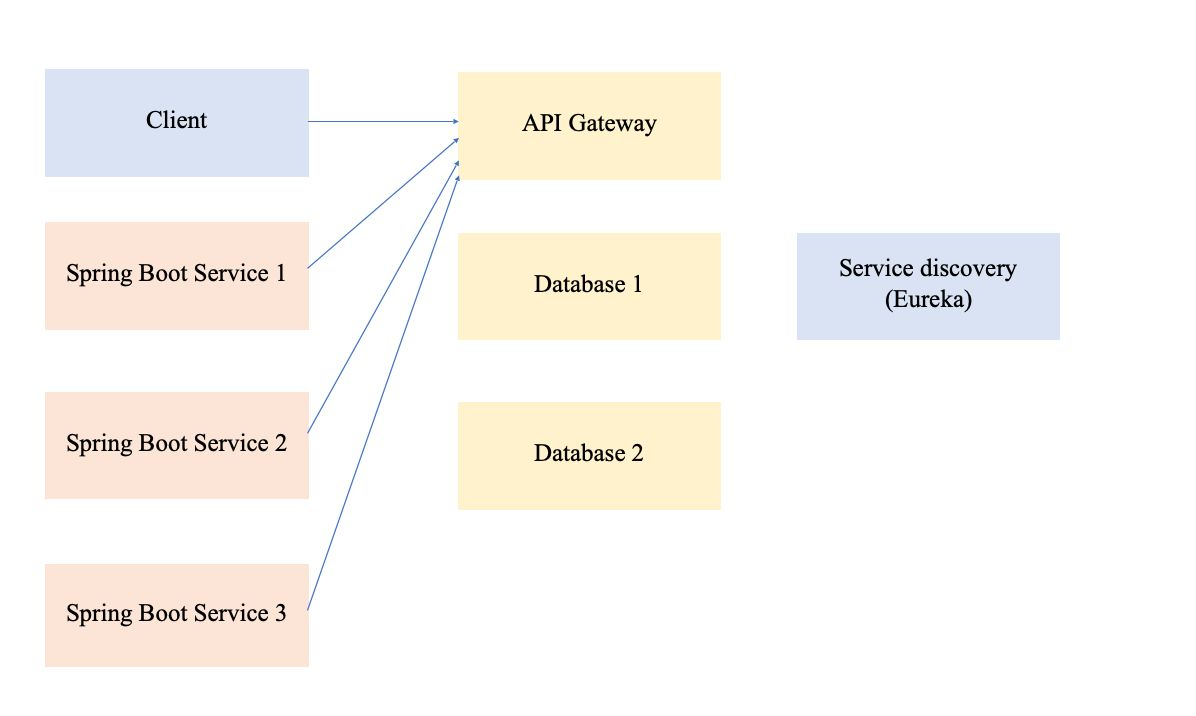
Challenges in Securing Cloud-Native Microservices
Business security is a growing concern as microservices and cloud-native architectures get wider adoption. Distributed and dynamic cloud infrastructure with microservices creates security vulnerabilities that conventional methods cannot fix. Here are the most common cloud-native Java-based microservices security issues:
Unauthorized Service-to-Service Communication
Microservices usually communicate, and criminals can access crucial internal services without protection through these linkages. This is more challenging in the absence of service segregation or insecure channels. Prevention of network lateral movement requires mutual TLS (mTLS) for service-to-service communication.
Lack of Identity Verification
Microservices designs commonly assume network service trust, but this technique fails because cloud network boundaries are less defined. This makes it difficult to verify every request from inside or outside the firm without rigorous identity checks. Plus, it permits user impersonation and increased access attacks.
Insecure API Gateways
API gateways receive requests and sensitive data from microservices and they can become huge security gaps without protection. Common issues include missing rate limitations, poor authentication, injections, and man-in-the-middle attacks. If not mitigated, these insecure gateways can let attackers access backend data and services.
Cloud-Specific Complexities
The cloud poses security risks, and sharing infrastructure between users or organizations is multi-tenancy, which isolates tenants and leaks data. Misconfigured Dockerfiles and unpatched base images can jeopardize service clusters. To reduce these risks, cloud-native environments need secure configuration, vulnerability screening, and continuous security monitoring. Avoid these vulnerabilities by validating every interaction, regardless of source, without relying on the network. Zero trust microservices system security is now achievable.
Zero Trust Architecture
ZTA overcomes perimeter-based security issues in modern, distributed, cloud-native applications. Accessing resources requires authentication, permission, and ongoing validation.
Key Principles of Zero Trust
- ZTA demands rigorous verification at every stage, unlike standard methods that assume network trust. Regardless of origin, API calls, service requests, and user access, everything must be authenticated and reviewed.
- Zero trust ensures users and services receive only the necessary access for their jobs, and this minimizes lateral movement and breach impact.
- Zero trust requires continuous user and service behavior monitoring, real-time threat identification, and adaptable responses to anomalies and unauthorized acts.
ZTA Suits Microservices and Cloud Deployments
Microservices thrive in cloud-based environments because they are customizable, distributed, and cross-platforms. However, these characteristics also make them vulnerable to internal, improper, and external attacks. Services frequently cross virtual borders and work with external parties, making perimeter fortifications ineffective.
Zero trust is uniquely aligned with the needs of microservices and cloud deployments for the following reasons:
-
It enforces strict access controls between microservices.
-
It facilitates fine-grained security policies using service identities.
-
It strongly integrates with cloud-native tools like service meshes (e.g., Istio), identity providers, and API gateways.
-
It helps build resilient, secure-by-design architectures that are scalable and compliant with modern security standards.
Zero trust principles in Java-based microservices may keep cloud-native apps safe, strong, and adaptable to evolving threats.
Designing Secure Microservices With Zero Trust in Java
Zero Trust Architecture using Java-based microservices requires a multi-layered security architecture that manages identities, secures communication, handles configurations, and focuses on things. Here are some key design ideas and tools for adding zero trust to cloud-native Java microservices.
Identity and Access Control
Zero trust starts with robust authentication and authorization. User and service authentication is secured with OpenID Connect and OAuth 2.0 in Keycloak, Google Identity, and Azure Active Directory. To restrict user and service actions and views, utilize attribute- or role-based access control to prevent privilege disclosure.
Secure Service Communication
To avoid unauthorized or modified inter-service connections, microservices should employ mTLS to validate identities before sharing data. Improve things further using Istio and other Service Meshes that enforce policies, encrypt communication, and give infrastructure-level observability without altering application code.
API Gateway Security
API gateways are the first stop for outside traffic, so they must be secure. Set up rate restriction, authentication, and request validation on Spring Cloud Gateway or Kong to prevent API misuse, injection attacks, and denial-of-service efforts.
Secure Configuration Management
Avoid hardcoding passwords or other sensitive data into Java programs. Keep sensitive configuration data safe with HashiCorp Vault, Azure Key Vault, or AWS Secrets Manager. This ensures secrets are encrypted, auditable, and only accessible from one place.
DevSecOps Integration
The development process must include security. Static and dynamic analysis should be added to CI/CD workflows. Test code quality, dependencies, and vulnerabilities automatically to detect issues early and ensure zero trust compliance.

Developers working with Java can use these methods to create safe, cloud-friendly, and zero trust microservices.
Real-World Tools and Technologies
Developers can leverage proven open-source technologies and native cloud services to implement zero trust for Java-based microservices. These technologies and services simplify security, observability, and policy enforcement.
- Spring Safety underlies Java program security. It's perfect for Spring Boot microservice security due to OAuth 2.0, authentication, authorisation, and identity supplier integration.
- Istio is a powerful service mesh that allows microservices use mTLS, encrypt traffic, enforce policies, and transmit telemetry without modifying application logic. Zero trust Kubernetes environments require it.
- Kubernetes is the foundation of many cloud-native deployments. It supports workload separation, secret management, and security policy enforcement using namespaces, network policies, and role-based access.
-
Keycloak is a free, open-source identity and access management program. It supports SSO, OAuth 2.0, and OpenID Connect and connects easily to Java apps to manage users, roles, and secure access across distributed services.
Cloud Providers' Native Tools
- AWS manages identities, credentials, and threats with IAM, Cognito, Secrets Manager, and GuardDuty.
- GCP Identity-Aware Proxy, Secret Manager, and Cloud IAM.
- Azure Supports Azure AD, Key Vault, Cloud Defender
Example Use Case
AWS Spring Boot microservices can be secured with Spring Security and Cognito. In the Elastic Kubernetes Service (EKS) cluster, Istio encrypts service communication using mTLS, and the AWS Secrets Manager saves sensitive data like database credentials, protecting all stack layers and enabling strong zero trust.
Conclusion
Zero Trust Architecture improves cloud-native program security with Java microservices. With verification of identity, least privilege access, and constant monitoring, zero trust protects systems that are distributed and modern cloud architecture. This strategy enhances monitoring, control, and compliance and prevents new dangers. With cloud microservices, zero trust must be integrated into the application structure from the outset. To safeguard the application ecosystem and allow its growth, adaptation, and resiliency in a changing digital context, Spring Security, Istio, and cloud-native services provide zero trust in Java microservices.
Opinions expressed by DZone contributors are their own.
Comments